A garden can become one of the most useful parts of your home when it supports the way your household actually lives. Beyond planting and routine maintenance, thoughtful choices can create space for quiet mornings, family play, home working and relaxed meals with friends. You don’t need a huge plot or a complete redesign either. Start with the areas you use most and give each one a clear purpose.
Beyond Just Flowers and Lawns
Plants and lawns bring colour and life to a garden, but they’re only part of the picture. Paths, seating, shade and storage all affect how often you use the space. Begin by noticing where the sun falls during the day, which corners feel sheltered and how people naturally move between the house and garden.
A small paved area near the kitchen can make weekday lunches outdoors much easier. Elsewhere, a bench placed beside fragrant herbs or an established shrub offers a calm spot for a cup of tea. Even a narrow garden can accommodate several uses if furniture stays in proportion to the available space.
Gardening itself can become part of your weekly downtime. Simple jobs such as watering pots, deadheading flowers and growing herbs offer accessible forms of gardening self-care. Choose manageable planting beds and leave enough room to sit nearby, so enjoying the results doesn’t always involve another job.
Zones for Relaxation and Play
Divide the garden according to everyday activities, using existing features as natural boundaries. A change in paving, a row of planters or an outdoor rug can define an area without adding fences or permanent walls.
Keep children’s play space visible from the house where possible. A patch of lawn, sand table or washable craft station can sit within sight of the kitchen, while storage boxes make it easy to clear everything away before dinner. For adults, a chair in a quieter corner may be enough to create a useful retreat.
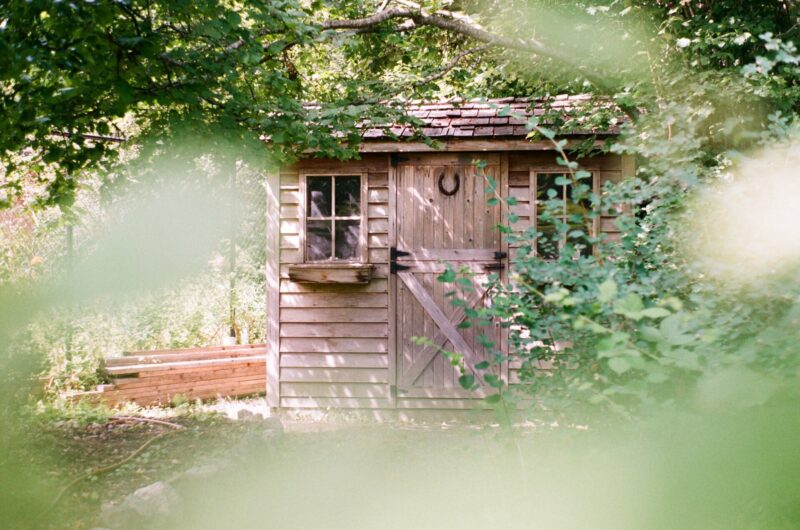
Think ahead if one zone could eventually hold an office, studio or extra room. Check access, nearby trees, drainage and the amount of daylight before committing to a position. Homeowners exploring custom garden rooms, studios or summerhouses can look at My Outhouse when considering how a purpose-built structure might fit their plot and household needs. Marking the proposed footprint with string or garden canes will help you judge how much open space remains.
The Practicality of a Garden Room
A garden room can provide extra living space without taking over an existing bedroom or dining table. Its purpose should guide its size, layout and position. A home office may need reliable internet, plenty of sockets and controlled daylight, while an art studio could benefit from washable flooring, generous storage and a large north-facing window.
Write down how you expect to use the room during an ordinary week. Include the furniture it needs and allow space to open doors, pull out chairs and move comfortably. A desk that looks compact on paper can feel cramped once shelving and heating are added.
Access matters too. A firm, well-lit path makes the room easier to use during wet weather and darker winter afternoons. Consider insulation, ventilation and power at the design stage, along with any permissions or site restrictions that may apply. If the building will serve several purposes, folding furniture and closed cupboards can help it switch from weekday workspace to weekend hobby room without feeling cluttered.
Enhancing Outdoor Entertaining
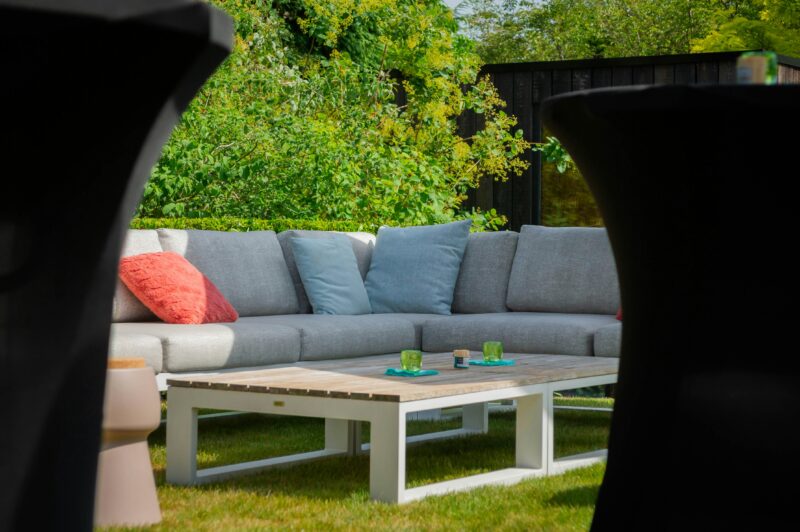
Outdoor entertaining feels easier when food, seating and lighting work together. Place the main dining area within a practical distance of the kitchen, especially if you regularly carry plates, drinks and serving dishes outside. A stable table and chairs with supportive backs will prove more useful than oversized lounge furniture in a compact space.
Allow enough room for people to move behind occupied chairs. As a simple test, pull every chair out as if guests were seated and check that there’s still a clear route to the house. The advice on the placement of garden furniture can also help when deciding where seating will feel comfortable throughout the day.
Use several gentle light sources instead of one harsh fitting. Wall lights near the door, solar markers beside steps and rechargeable table lamps can create a welcoming setting while keeping routes visible. A slim storage bench is handy for cushions and blankets, while a serving trolley can reduce repeated trips indoors during family lunches.
Year-Round Garden Enjoyment
Seasonal changes don’t have to keep you out of the garden. A covered seating area offers shelter from light rain, while paved or gravel paths help prevent muddy routes.
Choose plants that provide year-round interest, such as spring bulbs, summer herbs, autumn foliage, and evergreen shrubs. Containers also offer flexibility in smaller gardens and make it easier to protect delicate plants during cold weather.
Spending time outdoors may support wellbeing, especially when your garden offers greenery and a comfortable place to relax. Explore these ideas about gardens and wellbeing for more inspiration.
Keep essentials such as seat cushions, gardening gloves, and a small torch near the back door. With everything close at hand, enjoying the garden becomes easier in every season, even if you only have ten minutes to spare.
Discover more from Hello MrsShilts
Subscribe to get the latest posts sent to your email.