Learning does not begin and end when a child walks through the school gates. In reality, some of the most meaningful educational experiences happen during everyday family life. Whether it is helping with a grocery list, exploring a new town on holiday, or discussing a question at the dinner table, children are constantly absorbing information from the world around them.
Families play a powerful role in shaping a child’s attitude toward learning. When learning is presented as a natural and enjoyable part of life rather than a task that only happens in school, children are more likely to remain curious, engaged, and motivated throughout their lives.
The good news is that encouraging a love of learning does not require expensive programs or rigid schedules. Small, consistent opportunities can make a significant difference.
Creating A Learning-Friendly Home Environment
The home environment strongly influences how children view learning. A household that values curiosity, exploration, and conversation naturally encourages children to ask questions and seek answers.
This does not mean turning the home into a classroom. Instead, it involves creating an atmosphere where learning feels accessible and enjoyable. Keeping books within easy reach, displaying maps, encouraging creative projects, and making space for independent exploration can all contribute to a positive learning culture.
Children often model the behaviors they see. When parents read regularly, pursue hobbies, learn new skills, or discuss interesting topics, children begin to see learning as a lifelong process rather than something limited to their school years.
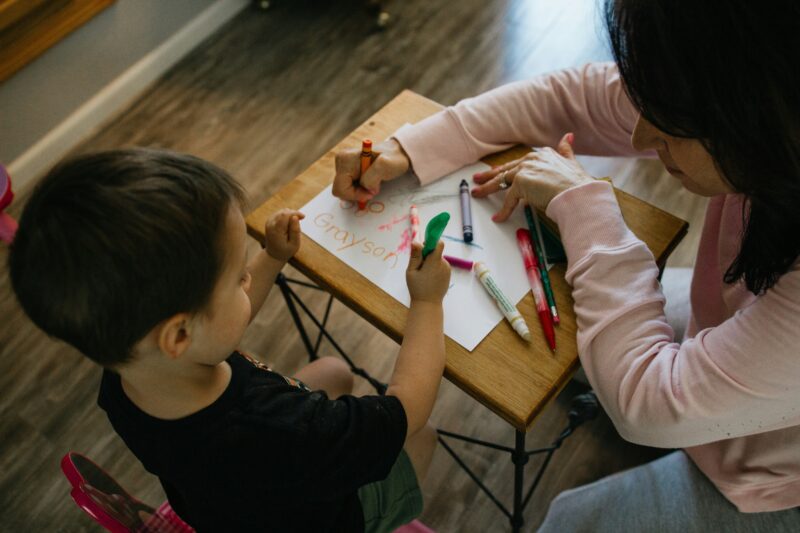
Simple activities such as cooking together, gardening, or building a craft project can introduce concepts related to maths, science, problem-solving, and creativity without feeling like formal lessons.
Turning Everyday Tasks Into Learning Opportunities
Many parents underestimate how much learning can happen during ordinary daily activities. A trip to the supermarket can become a lesson in budgeting, nutrition, reading labels, and comparing prices. Preparing a family meal can teach measurement, fractions, sequencing, and planning. Household repairs can introduce engineering concepts and practical problem-solving skills.
Even routine errands provide opportunities for discussion and discovery. Parents can ask open-ended questions such as:
- Why do you think this works that way?
- How do you think people solved this problem in the past?
- What would you do differently?
- What do you think will happen next?
Questions like these encourage critical thinking and help children develop confidence in expressing their ideas. The goal is not to test children but to invite them into conversations that stimulate curiosity and independent thought.
Making The Most Of Family Travel
Travel provides some of the richest learning experiences available to children. Whether visiting another country or exploring a nearby town, travel exposes children to new cultures, environments, histories, and perspectives.
Families do not need elaborate international holidays to create educational experiences. Local day trips, museum visits, nature walks, and historical landmarks can all inspire curiosity and learning.
Before a trip, parents can involve children in the planning process. Researching destinations, calculating travel times, studying maps, and learning about local history can build anticipation while developing valuable skills.
During the journey, encourage children to observe their surroundings and ask questions. What makes this place different from home? Why was this landmark built? How do local traditions compare to their own experiences?
After returning home, children can extend the learning by creating scrapbooks, writing journals, drawing pictures, or sharing stories about what they discovered. These activities reinforce learning while helping children reflect on their experiences.
Encouraging Curiosity Through Reading
Reading remains one of the most effective ways to expand a child’s understanding of the world. Books expose children to new ideas, cultures, historical events, scientific concepts, and imaginative possibilities.
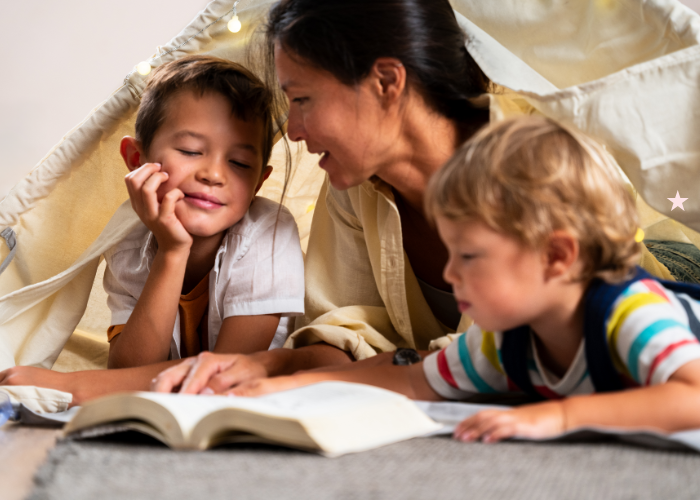
The key is to offer a variety of reading materials that align with a child’s interests. Some children enjoy adventure stories, while others are fascinated by animals, history, inventions, or biographies. Family reading time can be especially powerful. Reading together creates positive associations with books and opens opportunities for discussion.
Parents can ask questions about characters, events, and ideas while encouraging children to share their opinions. These conversations strengthen comprehension skills and help children engage more deeply with what they read.
Families looking for educational materials beyond traditional textbooks may also find useful resources through programs like The Tuttle Twins, which offer engaging ways for children to explore topics such as history, economics, and critical thinking.
Learning Through Play And Exploration
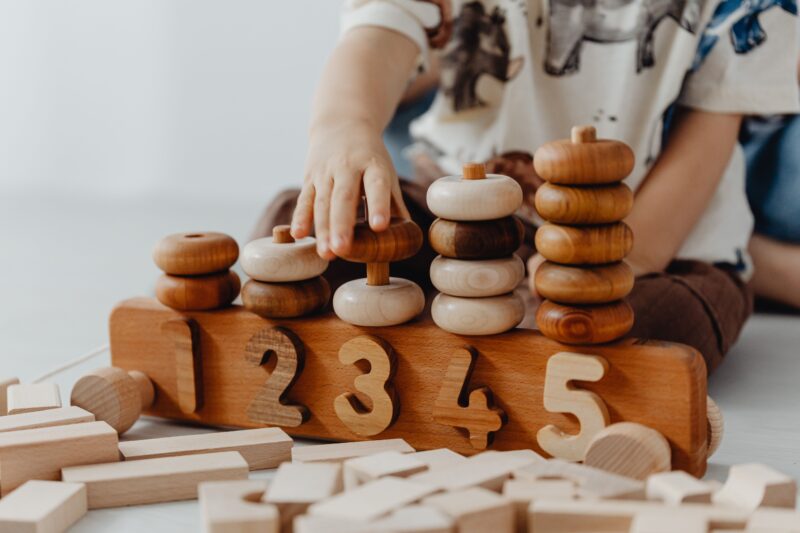
Play is one of the most natural ways children learn. Through play, children experiment, solve problems, develop social skills, and exercise their creativity. Board games teach strategy, patience, and decision-making. Building toys encourage engineering and spatial reasoning. Outdoor adventures develop observation skills and an appreciation for nature.
Unstructured play is equally important. When children are given time and freedom to create their own games, stories, and projects, they learn how to think independently and adapt to challenges.
Parents can support this process by providing opportunities rather than instructions. Instead of directing every activity, allow children to lead their own explorations and discover solutions on their own. These experiences often teach resilience and confidence alongside academic concepts.
Using Conversations As A Learning Tool
One of the most overlooked educational tools is conversation. Family discussions expose children to different viewpoints, encourage thoughtful reflection, and help develop communication skills. Everyday conversations about current events, personal experiences, community issues, or family history can spark meaningful learning.
Children benefit from being included in age-appropriate discussions about how the world works. Topics such as money, responsibility, decision-making, and problem-solving can all be introduced through casual conversation.
When children feel their questions are welcomed and respected, they become more comfortable expressing curiosity and exploring new ideas. The objective is not to provide all the answers. In many cases, exploring questions together can be even more valuable than immediately supplying information.
Supporting Lifelong Learning Habits
Developing a love of learning is not about achieving perfect grades or mastering every subject. It is about helping children develop the confidence and motivation to continue seeking knowledge throughout their lives.
Parents can support this goal by celebrating effort rather than focusing exclusively on outcomes. Praising curiosity, persistence, creativity, and problem-solving encourages children to embrace challenges rather than fear mistakes.
It is also important to allow children to pursue their own interests. When children explore topics they genuinely care about, they become active participants in their learning journey rather than passive recipients of information.
Whether a child becomes interested in dinosaurs, space, music, history, coding, or cooking, these passions can become valuable gateways to broader educational growth.
Conclusion
Learning is not confined to classrooms, worksheets, or exams. It happens during family conversations, road trips, cooking sessions, outdoor adventures, and countless everyday experiences. By creating an environment that values curiosity and exploration, families can help children see learning as an exciting part of life rather than a school requirement.
When parents intentionally embrace these everyday opportunities, they help build habits that extend far beyond childhood. The result is not only stronger academic development but also a lasting love of learning that can serve children throughout their lives.
Discover more from Hello MrsShilts
Subscribe to get the latest posts sent to your email.