There’s a moment every winter where I’d walk past our living room window, feel that familiar wall of cold air, and think: we really need to sort this. But like most things on the home to-do list, it kept getting bumped. There was always something more urgent, more exciting, or frankly, more fun to spend money on. New windows aren’t exactly a talking point at the school gate, are they? Then our energy bills started doing something that got my full attention.
When “It’ll Do” Stops Working
For years our windows were just… fine. We had old-ish double glazing downstairs and original single panes upstairs. A bit of condensation here and there, one that was genuinely difficult to open in summer. Nothing dramatic, it’s a well used family home after all. Nothing that felt like an emergency.
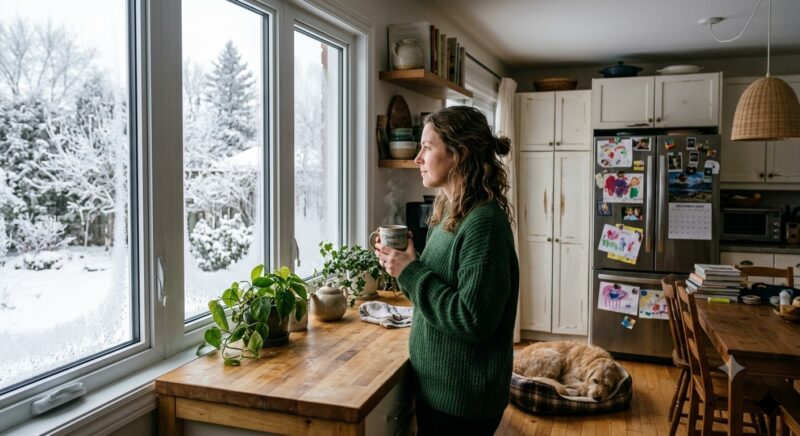
But over the past couple of winters, we noticed the heating was running more than usual, seemingly to keep the house at a comfortable temperature. The living room, the one with the most window facing the front always felt cool. My daughter preferred to be nested in all the pillows rather than spending time just sitting the usual way. Classic.
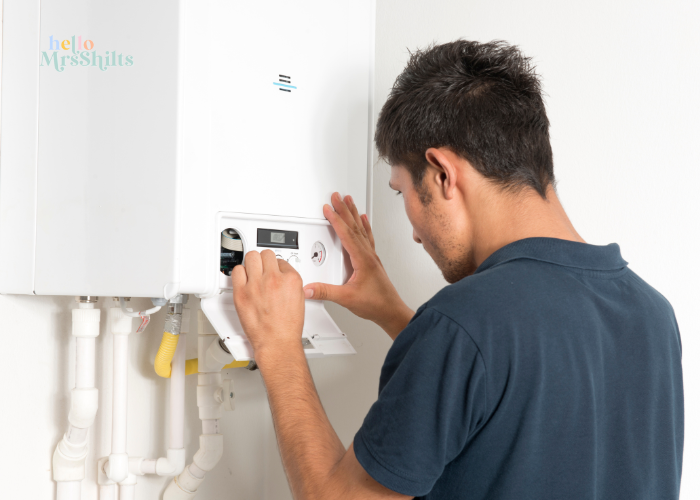
When we actually looked at what we were spending on heating versus what we should be spending for a home our size, the gap was noticeable. We knew that poorly insulated windows let heat escape all winter and let summer heat pour in, but we didn’t know just how much our boiler was working to keep up. In a climate like ours where heat is running 6 months of the year, that really adds up.
The Bit Nobody Tells You About Window Replacement
Once we actually started looking into it properly, I was surprised by how straightforward the process can be for most homes. We’d assumed it meant scaffolding, weeks of disruption and replastering entire walls. For many houses, including ours, there’s something called a retrofit or insert installation, where the existing window frame stays in the wall. The old glass and moving parts come out, and a new window unit is fitted into the existing opening.
It’s faster. Less disruptive. Less expensive than a full-frame replacement. The catch is that your existing frame needs to be in decent condition; reasonably square, dry, and rot-free. Worth having someone take a proper look before you assume which route you’re taking.
The Frame Conversation
We spent a surprisingly long time looking at window frames on other people’s houses once we started noticing them. White is the classic default, and there’s a reason for that. It works with almost everything (including our little green house), it’s the most affordable option, and it’ll never date badly.
Black frames have had a serious moment over the last few years though, and once you see them on the right house, it’s hard to unsee them. They make the glass look bigger somehow, and they give a home a much sharper, more considered look. They do come with a cost premium – roughly 25% more than white – because the material needs extra treatment to prevent fading and warping. We went back and forth for weeks.
In the end, we went white. Our house is traditional enough that black would have felt like we were trying too hard, and the budget saving went straight into getting more windows done at once.
What About the Cost?
We weren’t expecting it to be cheap. But we also didn’t expect it to feel as manageable as it did when we broke it down properly.
A few things helped. First, getting a proper quote from a local manufacturer and installer who understood the full scope. It’s not just the glass, but also the expertise in prioritizing which windows need replacing. Second, knowing that there are energy efficiency grants available that can offset some of the cost. In Ontario, Canada (where KV Construction work), for example, there’s a Home Renovation Savings programme offering money back per window on qualifying installs. To qualify you need to pair it with at least one other energy upgrade and start with a home energy assessment. Worth investigating whatever equivalent exists in your area.
Third, and this is the one that helped us commit, think about the cost of NOT doing it. Every month the heating was running harder than it needed to and money was going nowhere. Also, as an environmentalist, not doing them meant more carbon and other pollution up in smoke just to keep us warm. Windows that perform properly pay back over time in a way that a new sofa simply doesn’t.
Was It Worth It?
The short answer: yes, immediately and obviously. The living room is a different room. The boys are back on the sofa closest to the front window. The heating isn’t running all day. The condensation that I’d genuinely just accepted as a winter feature of our house? Gone.
It’s one of those home improvements that’s easy to put off because the before version is liveable. But liveable and comfortable aren’t the same thing, and neither are liveable and affordable to heat. Tracking our heating bill since the windows were done we’ve noticed significant savings, by about a quarter.
If draughty windows have been sitting on your to-do list the way they sat on ours, that is half-noticed, half-ignored, then it might be time to actually get someone in to look at them. You might be more surprised than you expect.
Discover more from Hello MrsShilts
Subscribe to get the latest posts sent to your email.