The lighting in a room is extremely important and should not be overlooked when it comes to designing any interior space. The right type of lighting can create the perfect ambience, which can in turn lift your mood and make the space appear bigger than it really is. On the other hand, the wrong type of lighting can ruin the aesthetic. It doesn’t matter how beautifully designed your room is, if the lighting’s bad, then the overall effect is spoiled. Unfortunately, when it comes to creating the perfect living space, it’s easy to treat lighting as an afterthought. Here are five reasons why lighting can make or break interior design.
1. It sets the mood
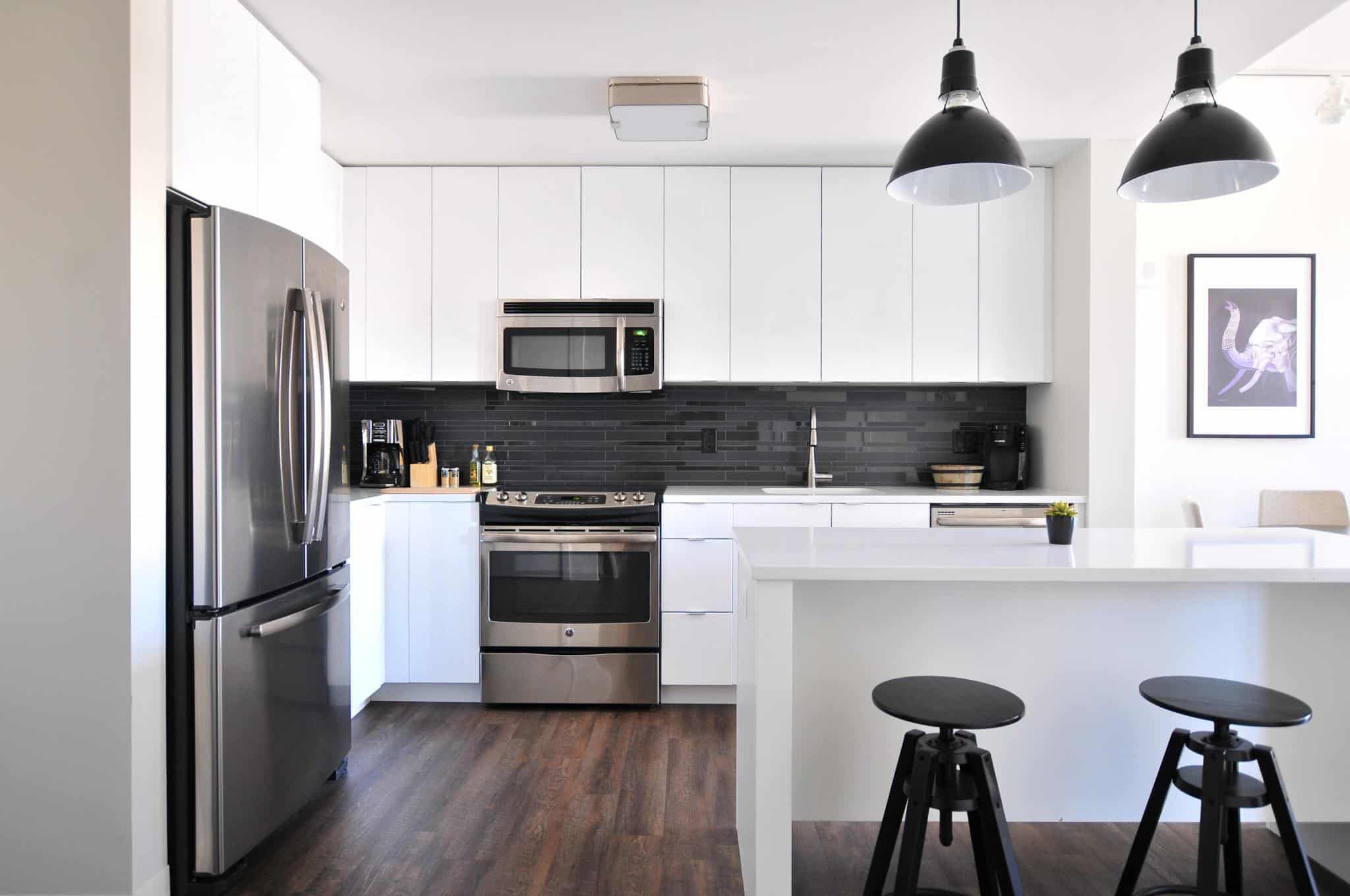
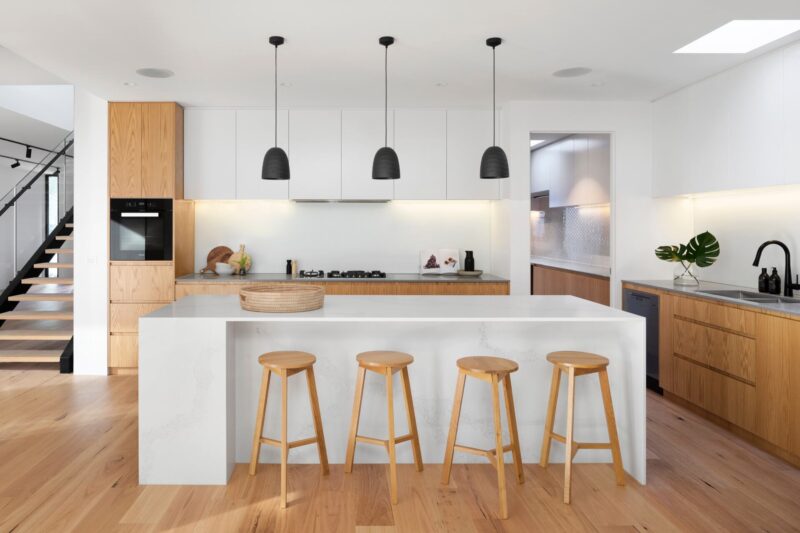
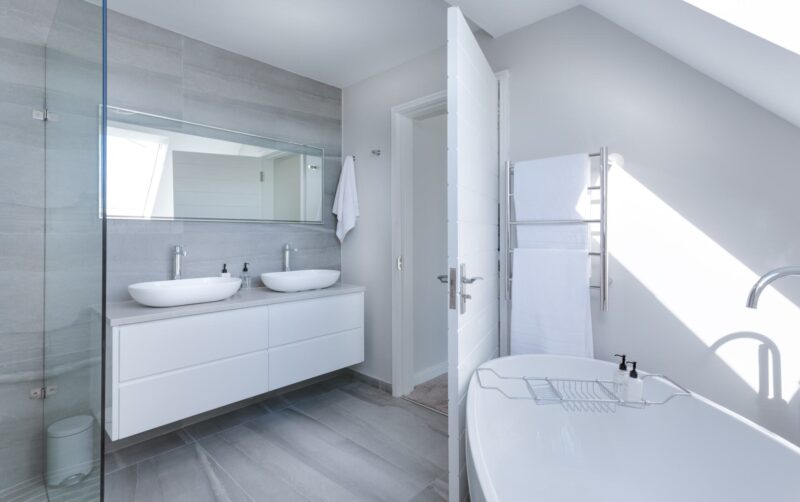
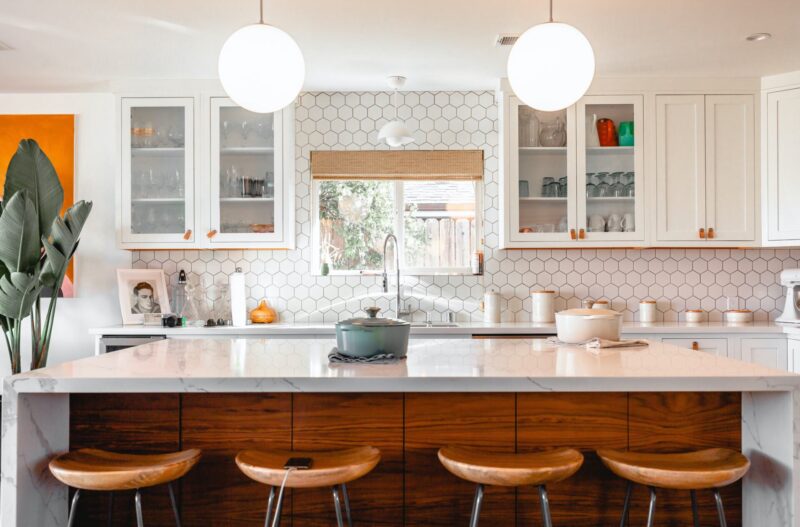
The lighting in a room determines how the space feels and has the power to completely make or break the overall mood within. Poor lights can kill the ambience and ruin the entire mood of a room, so it’s important that you get the lighting right. A common mistake, especially when it comes to living rooms, is relying too heavily on overhead lighting. This can be harsh looking and overpowering, thereby wrecking the mood. If your space is small, then limit your overhead lights to one statement shade. With larger spaces or in bathrooms, you might consider subtle ceiling spotlights. Shaded floor and table lamps can be added to your space to provide added light warmth. Enhance the ambient mood further with beautiful lampshades that reflect your personality and compliment your décor.
2. It highlights features
Accent lighting, such as that within shelves or cabinets, look chic and can create a focal point within a room. This type of lighting is perfect for drawing the eye towards anything you want to highlight, like statement furniture items, feature walls, or a piece of artwork you want to showcase. Expertly placed accent lighting can be used to illuminate and draw attention to these features within an interior design project. LED or accent lights can also be used within a bookcase or display cabinet to highlight the contents. Likewise, clever use of lighting can be used to draw attention away from any details that you’d rather did not stand out – for instance, electrical sockets.
3. It enhances the room’s function
You could have the most beautiful lighting in the world but it can completely ruin a room if it doesn’t work with the space it’s meant for. When adding lights, don’t forget the intended function of the room. For instance, if the room is intended as a workspace or study, then you should make sure that it is properly illuminated. Similar rules apply to kitchens, where the light should be adequate enough for you to read the latest recipes and see what you’re doing on the chopping board. Also make sure that lights in a home office or living room don’t reflect off any computer or TV screens. Some spaces, such as living rooms and bedrooms, will require more warmth and ambience in their lighting; whilst bathrooms will benefit from being brighter.
4. It affects the aesthetics
Whilst considering the purpose of a room is crucial when choosing lighting, it’s no use if it looks unpleasant. Nice surroundings can do wonders for your mood, so it makes sense that if your lighting is ugly, then your room will suffer aesthetically. The lighting of a room can really complement its aesthetic appeal. For instance, lightbulbs might have a slightly cool or warm hue and can therefore make colours appear either more vibrant or more subdued. Furthermore,research suggests that the lighting in a home might be important to health as it plays a role in regulating hormones in the body and setting sleep patterns.
5. It can alter the space
Did you know that with clever lighting, you can make your room appear larger than it is? The effect of lighter, block colours on creating the illusion of space is well known, but it’s no use going to the effort of decorating your walls in soft shades and subtle patterns if their effects can’t be seen. Our perception of depth and space can be greatly enhanced by clever use of lighting. Use your lighting to brighten up neutral, lighter-coloured walls to give the illusion of depth and open up your living space.
Conclusion
When designing an interior space, it’s easy to overlook the lighting, this is a big mistake. Lighting is just as important as other design elements when it comes to interiors and has the power to make or break the whole aesthetic.
Discover more from Hello MrsShilts
Subscribe to get the latest posts sent to your email.