Planning for the future isn’t always easy, but it’s the best way to buy yourself the peace of mind you won’t get anywhere else. Here are three key mistakes to avoid, and how.

1. Choosing to Write a Will Without the Guidance of a Solicitor
When you’re ready to write a will, you have two options. On the one hand, you could do it the ‘traditional’ way by visiting a solicitor with experience in estate planning and using their expertise to ensure your will is clear, comprehensive and free from any clerical issues. On the other, you can order a will kit to your home and complete it without having to turn it into a ‘big thing’.
The trouble is, no matter how much we’d rather not think about that point in our future, will writing is a ‘big thing’, and it needs to be treated as such – or risk leaving your loved ones in the lurch.
It is far, far more common for DIY wills to be ruled invalid than wills that have been completed to a much higher, professional standard. And, when the validity of a will is under question, your family may have to turn to a will dispute solicitor anyway – and the experience of contesting a will is far more nerve-wracking than the experience of drafting a will in the first place.
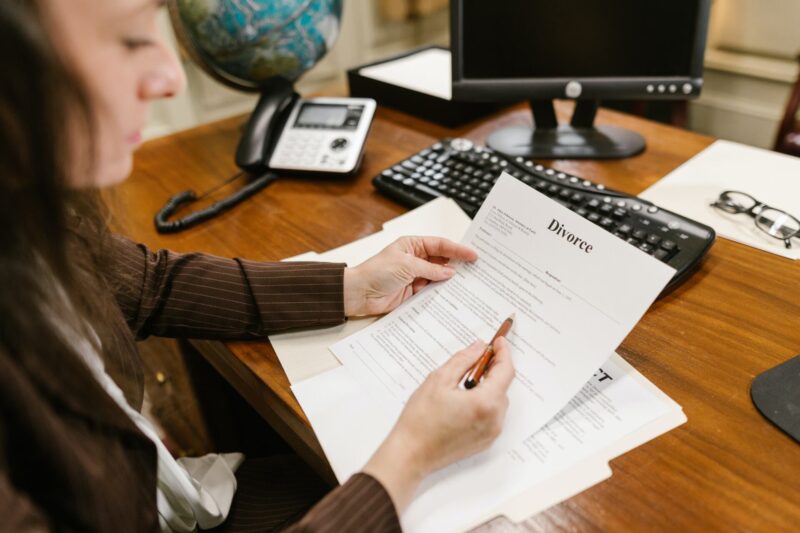
2. Not Creating a New Will After a Marriage or Divorce
We should all keep in mind that, as our lives change, an old will is going to inevitably ‘run the clock’ and need to be replaced by a new will – one that properly addresses our lives, our assets, and our families at that moment in time.
Some life events, like having a child or moving in with a partner, won’t automatically render your existing will invalid, but others do.
Getting married means that any will you wrote and signed before the marriage certificate was signed is no longer valid. You’ll need to return to your solicitor to write a new one. Getting divorced doesn’t make your will invalid, but it does disinherit your ex-spouse – unless there’s a clear stipulation in the will stating otherwise.
Since divorce tends to mean your finances and assets will change, it’s still a good idea to create a new will in the aftermath.
3. Only Focusing on Your High-Value Assets
Accounting for any bank accounts, savings, investments, and high-value assets like property and cars is incredibly important, or disputes could arise over who deserves to inherit them – or their value – the most.
But it’s important not to overlook other, smaller assets. Sentimental objects, collections, photographs and other objects that you don’t want to be overlooked or forgotten about when your family sorts through your belongings all should be specifically mentioned. Don’t forget about digital assets – any photo albums you have stored in the cloud or on your computer, for instance, as well as log-in details for social media accounts and other web-based applications.
Anything that holds meaning, either financial or sentimental, needs to be accounted for.
Discover more from Hello MrsShilts
Subscribe to get the latest posts sent to your email.