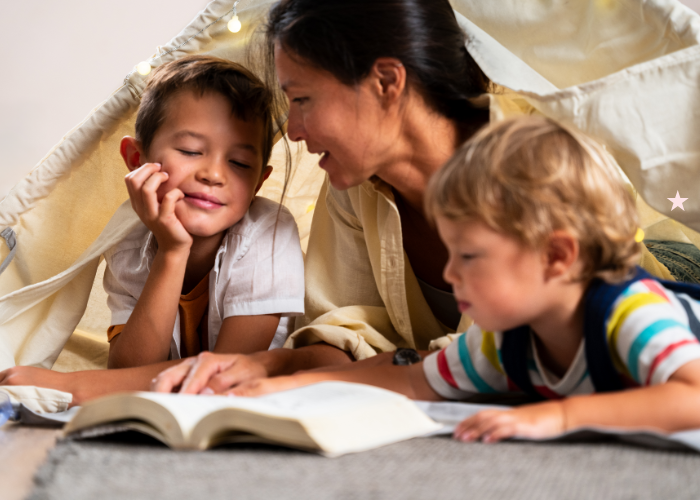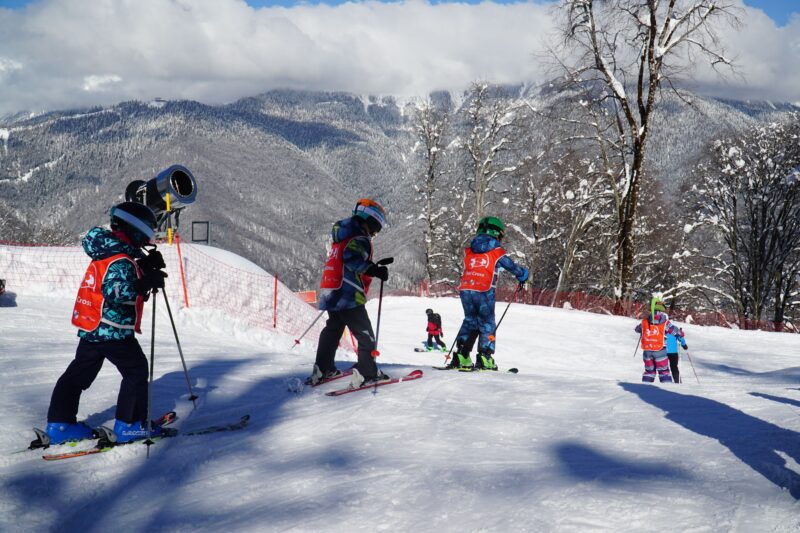
Children learn mainly through classrooms, books, screens, and structured courses. While these learning methods are effective and accessible, they can’t always provide the real-world scenarios children need to experience and learn. Travel helps kids gain valuable experience in exploring new vistas, encountering different people, and appreciating cultural viewpoints. For instance, trips to nature reserves can help unravel the biological aspects of the world, while stadiums, sports clinics, and ski trips for schools can combine teamwork, sportsmanship, and motor skills. That’s why educational travel is important for childhood development.
Turns lessons into real experiences
Travel can help children understand abstract ideas in the classroom. A geography lesson is more meaningful when children get to see real-world places in person. An arts and music lesson is purposeful if kids get to see a play or musical.
Some skills they can develop during travel include:
- Adapting to new environments
- Communicating with new people
- Managing time and working with people
- Understanding different perspectives in culture
- Observational and questioning skills
These are useful abilities that can help children navigate the world they live in.
Travel learning builds confidence and independence
Being in a new environment can be scary. Yet with adequate support, kids gain confidence and become independent. They get an opportunity to make choices, cooperate with other children, or even make a good mistake.
For example, when it comes to science experiments, children get to know about the laws of nature and learn through trial and error. A ski holiday can also give children the chance to explore winter environments while learning how to ski.
While young travelers might struggle at first, they progress through practice and familiarisation. Kids learn such skills through experiences, which they can carry with them into school. For example, a child who learns to try new things during travel might seem to be more eager to do the same in the class.
Bringing school subjects to life
Travel is not only about adventures. Outdoor study sites can also be cities, parks, historical places or cultural venues. For instance, educational trips to London can give pupils opportunities to explore:
- British history and politics
- Art and literature
- Science and technology
- Architecture and culture
- Important historical landmarks
Seeing these places makes lessons much more memorable for children. Children can relate what they are learning to a location rather than just observing a picture in a textbook.
Learning beyond the classroom
Travel experiences are one of the biggest assets for learning, and their benefits don’t have to stop when children finish travelling. Children often return home with new stories, experiences, and questions. A trip could lead to a fascination with another country, an initiation to a new activity, or a child’s interest in a subject they previously found challenging. Travel can also foster in children attributes that are not easily learned in a classroom setting: curiosity, resilience, independence and adaptability.
Safety comes first at all times
Travel is a great educational opportunity, but children’s safety always comes first. Schools, parents and trip organisers should think about the appropriateness of the activity for kids’ ages, abilities and individual needs before travelling. The following are important safety factors to consider:
- Qualified supervision. Children should be accompanied by appropriately trained adults.
- Risk assessment. Activities and destinations should be assessed for potential hazards in advance.
- Emergency planning. Staff should be aware of what to do in the event of illness, injury or unexpected changes.
- Clear communication. Children should be given basic safety rules and be told who to ask for help.
- Individual needs. Medical, accessibility, dietary and emotional needs should be considered when planning the trip.
Children can explore confidently, and wellbeing is central in a well-planned trip.
Why new experiences are so important
Educational travel can supplement class learning by providing children with opportunities to apply their knowledge in the real world.
From visiting a historic city to learning a new sport, children can learn things that will last a lifetime after they leave school. Sometimes learning is most memorable not on a page. It is in a new location, a new activity or a new situation where a child is challenged to view the world in another way.
Discover more from Hello MrsShilts
Subscribe to get the latest posts sent to your email.