As parents, we all want our children to succeed and be happy. We spend hours helping with homework, attending parents’ evenings, and cheering them on from the sidelines. But while academic achievements are important, the life skills they learn outside the classroom truly prepare them for a fulfilling and independent future.
These skills build character, foster resilience, and help them navigate life’s ups and downs long after school ends.
Skills for a Resilient Childhood
Resilience is about bouncing back from challenges and disappointments. It’s not about shielding our children from hardship, but giving them the tools to cope when tough times come. A resilient child learns to see setbacks as chances to learn, not failures. This might look like trying again after losing a game, working through a tricky friendship issue, or managing frustration when a task is difficult.
A great place to start is by encouraging problem-solving at home. Instead of jumping in to fix things, ask questions like, “What do you think you could do about that?” This helps them develop critical thinking. The conversation around teaching life skills in schools is growing, but parents are key to fostering this crucial trait from a young age.
Beyond Academics: What Truly Matters
Schools provide an excellent foundation in subjects like maths, science, and English, but many practical things schools don’t teach are important for everyday life. These include basic financial literacy, understanding how to budget pocket money, simple cooking, and household chores.
Involving your children in daily tasks helps them feel responsible and capable. Let them help with meal planning, sort the laundry, or manage a small budget for a family treat. These aren’t just chores; they’re lessons in self-sufficiency and teamwork. Emotional intelligence, the ability to understand and manage their own feelings and empathise with others, is another skill often nurtured more effectively through real-world interactions than in a formal classroom.
Building Focus and Self-Control
In a world full of distractions, the ability to focus and exercise self-control is more valuable than ever. These skills are fundamental for achieving long-term goals, managing impulses, and maintaining healthy relationships. Structured extracurricular activities are fantastic for developing this discipline in a fun and engaging way.
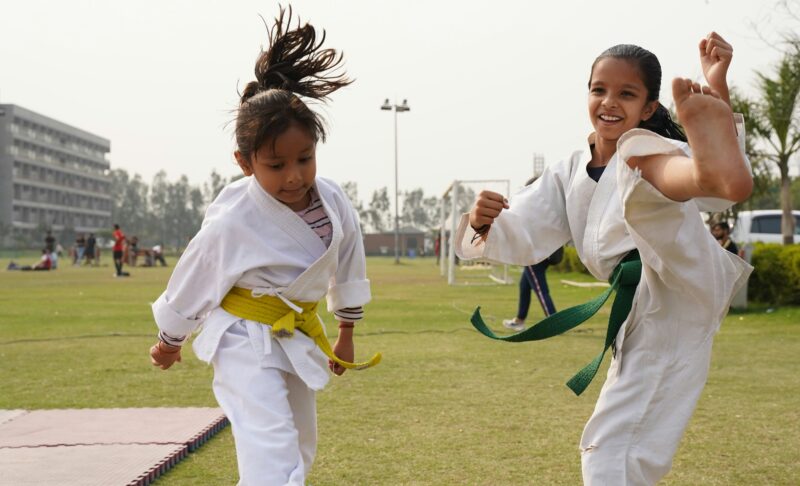
Activities that demand concentration and practice, like learning a musical instrument or playing a sport, teach children the value of persistence. For instance, martial arts offer a brilliant environment for children to learn respect, discipline, and control. Karate classes also offer a great way for children to develop these skills in a supportive setting, guided by experienced instructors.
Finding the Right Activity for Your Child
The key to success with any extracurricular activity is finding something your child genuinely enjoys. Pushing them into an activity that doesn’t fit their personality or interests can lead to frustration for everyone. Have an open conversation with your child about what they might like to try.
- For the energetic child: Team sports like football or netball, or individual pursuits like swimming or gymnastics, can be a great outlet.
- For the creative child: Consider art classes, drama club, or learning a musical instrument.
- For the analytical child: Coding clubs, chess, or science workshops could be a perfect fit.
Don’t be afraid to try a few different things. Many clubs offer taster sessions, which are a low-pressure way to see if an activity is the right one before committing. The goal is to find a passion that helps them grow, not just to fill their schedule.
The Power of Positive Mentorship
A good mentor can have a profound impact on a child’s development. Beyond parents and schoolteachers, coaches, club leaders, and other trusted adults can become incredible role models. These mentors provide guidance, encouragement, and a different perspective.
A positive mentor teaches more than just the rules of the game or the notes of a song. They teach sportsmanship, teamwork, dedication, and how to handle both success and failure with grace. They create a safe space where children feel valued and are encouraged to step outside their comfort zone. This relationship can build a child’s confidence and self-esteem in a way that complements the support they receive at home and school.
Equipping our children with these practical and emotional skills gives them a toolkit for life, even helping to boost family income through activities like gardening. It empowers them to become capable, confident, and well-rounded individuals ready to take on whatever the future holds.
Discover more from Hello MrsShilts
Subscribe to get the latest posts sent to your email.