Are you familiar with the moments where your child gets bored, but everything you suggest is too boring for them? Or, maybe your child does want to colour, but they want Mom and Dad to colour with them, too.
Encouraging your kids to play independently can have numerous benefits for the kids and the parents — especially since you get a small break. Independent play can boost their creativity and stimulate their problem-solving skills.

However, it also seems like the idea may be far out of reach, but that’s not true at all. Free play is achievable when you implement the strategies below.
1. Stage Your Playspace With the Proper Toys
The best way to encourage independent play in your kids is to eliminate all the battery-operated toys. Toys that sing and flashlights may entertain your child for a bit. However, it won’t stimulate your child to engage in active play.
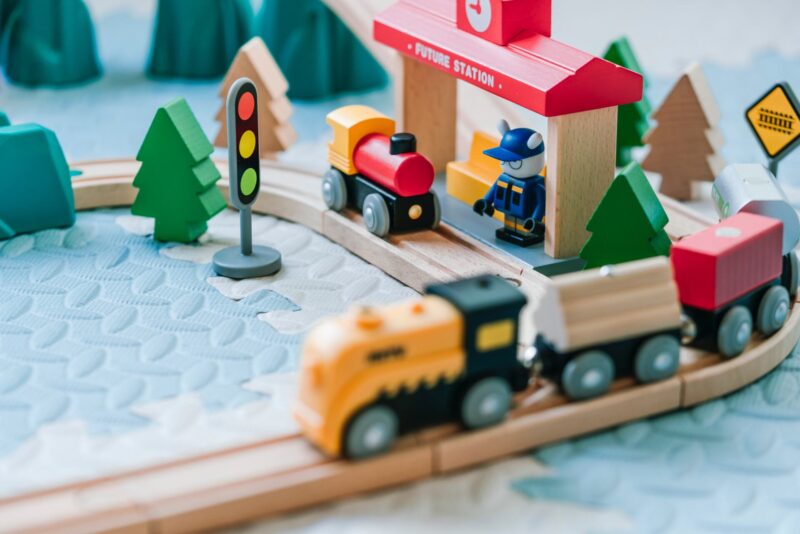
Consider setting up the playspace with passive toys. Blocks, dolls, legos, and toy cars are toys that allow children to create their own scenarios. That way, they’re not programmed to sit in silence while they watch.
One quick tip to follow is to make sure you give them age-appropriate toys. It’s okay to provide a little challenge, but nothing too difficult that constantly requires your help. For added variety, you can also visit interactive play spaces like MiniTown and similar others, where activities are thoughtfully designed to suit different developmental stages.
Quality over quantity is another factor here. Too many toys can be overwhelming. Plus, it reduces your child’s attention span when they play.
2. Praise Playtime
You may have noticed your child already engages in some amount of free play each day. As you see her playing independently, start encouraging more of it by telling your child that she’s doing a great job. Instilling a positive notion will give her the boost she needs to play independently.
Consider telling your child how impressed you are with the tower she built all by herself. Or tell her that you think the game she invented looks fun.
However, you encourage your child, stick with only that. Avoid offering suggestions and switching up their style. Free play is about giving kids the freedom to choose how they spend their time — and they could get discouraged when you step in during playtime.
3. Offer Things That Foster Imaginative Play
If you look around your child’s room, chances are the majority of toys take the imagination out of play. Of course, they can be fun for a little while, but giving your child something other than a toy can foster their creativity.
For instance, a cardboard box can be a house, a car, a cave, or whatever they think it could be. The opportunities are endless.
To encourage creative development in your child’s play, provide them with the materials. Supplies can include wooden spoons, boxes, plastic cups, blankets, or arts and crafts. Let the kids choose what they want — and the best part is you don’t have to spend a fortune.

4. Invite the Neighbours’ Children
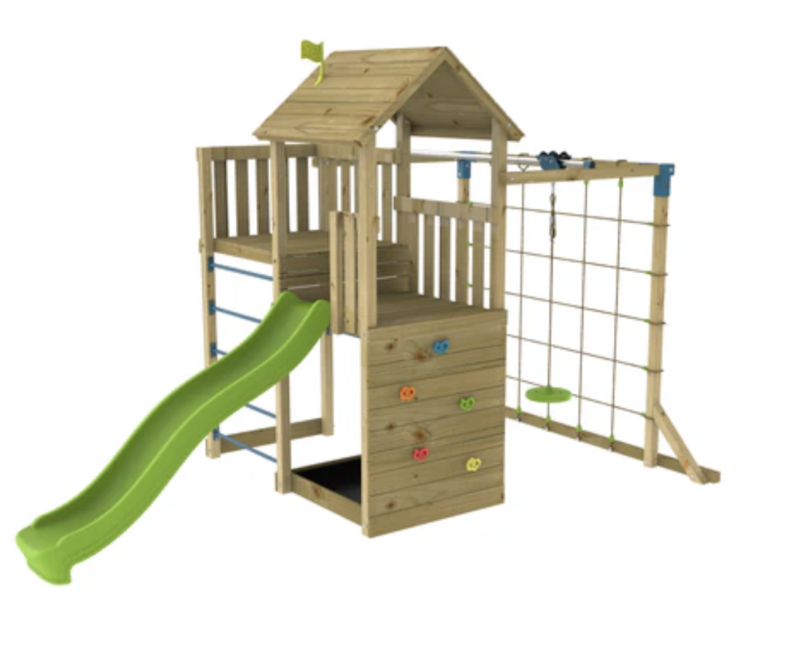
One of the best ways to foster free play is to invite other kids to the house. Allow children to play in the front garden while you watch. Society has succumbed to the idea that the backyard is the safest place to play. However, if your kids don’t see neighborhood children playing, this can prevent them from engaging with others.
Turn your place into an inviting area for other kids to come over and play. For instance, you can hang a welcome sign in the front garden.
One advantage of encouraging neighborhood play is that your kids get to hang out with children of different ages — an incredible learning opportunity. This kind of play allows the older kids to nurture the little ones while small kids learn how to keep up. And as a group, they get to devise a game that includes everyone.
Suppose you’re concerned about the dangers of playing out on the streets. Try to get to know your neighbours. Creating a network of other parents allows them to keep an eye out for each other’s kids. It also helps when you teach your child to look both ways before crossing the street and never talk to strangers.
5. Let Your Child Get Bored
Kids need to get bored to overcome boredom. So, the next time your child says he’s bored, resist offering suggestions. Let them come up with an idea themselves. As a result, this encourages them to develop their own ideas — and that is how free play begins.
6. Set Screen Time Limitations
TV and tablets are perfectly fine in moderation. According to the American Academy of Child and Adolescent Psychiatry, you should limit non-educational screen time up to one hour per weekday and 3 hours on weekend days for kids aged 2-5.
Yet, your child may rely on screen time when he gets bored. Although playtime isn’t as instantly immersive, it can be more rewarding. Consider making independent play a part of your child’s daily routine. That way, it becomes part of their lives and they won’t be so keen to watch tv or use a smartphone.
Encourage Playtime Today
If you want your kids to embrace more independent playtime, you might not want to expect it to happen overnight. Free play takes some time to develop, but every child is different. Use the tips above to encourage playtime.
And when your child is truly focused, avoid letting others interrupt him. Offering too much praise and feedback can inhibit their independent play. So, consider taking a step back and letting them enjoy their moment.
Discover more from Hello MrsShilts
Subscribe to get the latest posts sent to your email.