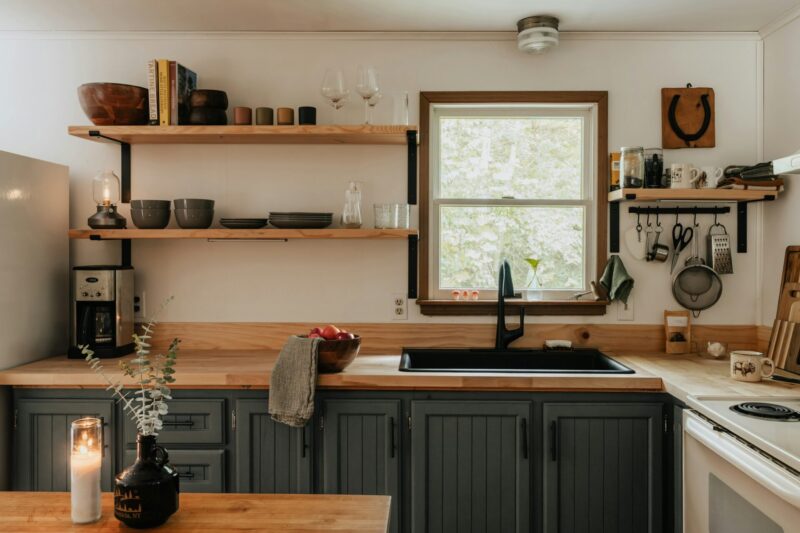
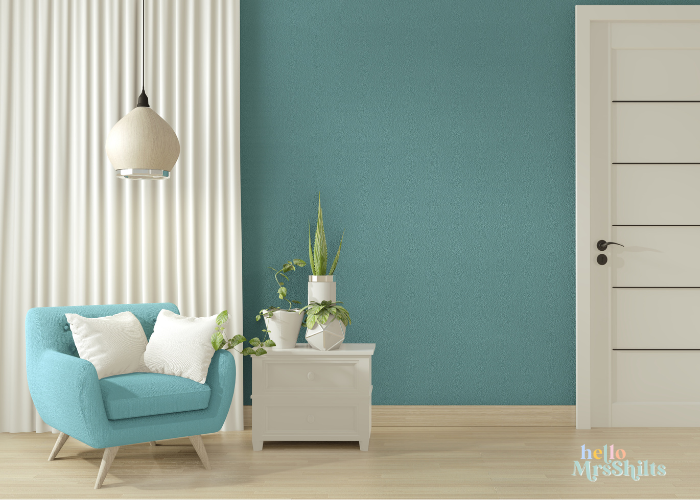
Some people renovate homes that they’ve just bought, buying a project property for less money so that they can do it up to their style. Other people renovate their homes after living there for some time, for several reasons. Perhaps things are starting to get worn out over time, or needs have changed as families grow.
Whatever your reasons for your home renovation, it’s a big job and needs an investment of time, effort, and money. Maybe no renovation can be completely stress-free, but if you have a plan, then a project of any size can as smoothly as possible. This guide will walk you through a complete renovation, which will last about 3-6 months to complete. You can also use it to help you plan an extension or even a large room renovation.

The Budget and Planning
Money makes the world go round, and that’s as true with renovating your home as it is with anything else. You need to make sure that you have enough money to pay for the project, which means that you need to know the scope of it.
Planning and research are essential when you’re renovation. You will need to work out what is within your budget and it’s only with careful planning and extensive research that you can work out what the costs of the project will be. Doing your research will help you factor in costs of replacing the bulk of the main living spaces such as kitchens and bathrooms, check out Lovech for custom kitchen doors and cabinets. It’s always worth getting bespoke work done in your home if you can afford it.
As well as the cost of the renovation itself, you should factor in the costs of insurance, building regulations, warranties, and planning permission for certain buildings. You may also need a survey to make sure that there aren’t any unpleasant surprises waiting for the renovation, especially if you’re renovating an older property. It’s also important to factor in safety measures along the way, for example, roof repairs don’t come cheap but it’s worthwhile employing the professionals to do the job properly. Similarly, getting in a company of expert Scaffolders in Essex (or elsewhere more relevant) can both increase efficiency as workers can access all parts of the house, but they’ll also be safer using platforms fitted by experienced scaffolders. This can reduce the risk of extra costs from injury, as well as reduce costs for hiring contractors and equipment if you get the job done sooner than expected.
Your budget will inform the extent to which you can renovate your property, as certain renovations cost a lot more. For example, an extension may cost over £30,000 and can potentially cost well over £45,000, not counting professional fees or VAT.
This, on top of renovating the rest of your property, can quickly add up. If you would like to completely renovate your home and add an extension, then it might be worth breaking up the jobs so that you can save up for each one.
Running out of money partway through the project never ends well. It can result in your family living in a building site for months or even years. Even worse, the work will likely end up costing even more in the long run.
A good project plan, including costs, time, and the jobs that you want doing can save a lot of pain. You should factor in the costs of professionals, especially for certain jobs. DIY is great, but some jobs are just too dangerous for a layman. Give yourself an extra 10-20% of wiggle room in the budget, just in case something goes wrong.
Demolition
Before you can make something new, you have to get rid of the old stuff. After you’ve made your plans and contacted a contractor, it’s time to turn your home into a building site. Hopefully, this will be temporary.
Demolition does generate a lot of waste and rubble, so it’s important to remove your renovation waste with a skip. This allows your contractors to work more safely and efficiently as they don’t need to work around all the debris. It also keeps your home tidy, even during this phase.
To make this process even easier for yourself, you can take advantage of skip hire services. This allows you to dispose of all your renovation and demolition debris safely and conveniently without making multiple trips to a landfill.
You can do the demolition work yourself, but remember that it’s risky work. If you aren’t careful, you could injure yourself or damage something that you don’t want to destroy. In any case, be sure to get rid of the waste as you work. While most of the debris will be generated during the demolition stage, keep the skip around throughout the building work. More waste will always be generated, so a skip will help you keep it out of the way for the duration of the project.
Rebuilding
Once the old is out of the way, it’s time to rebuild. This takes several steps in itself, depending on the type of renovation you have in mind.
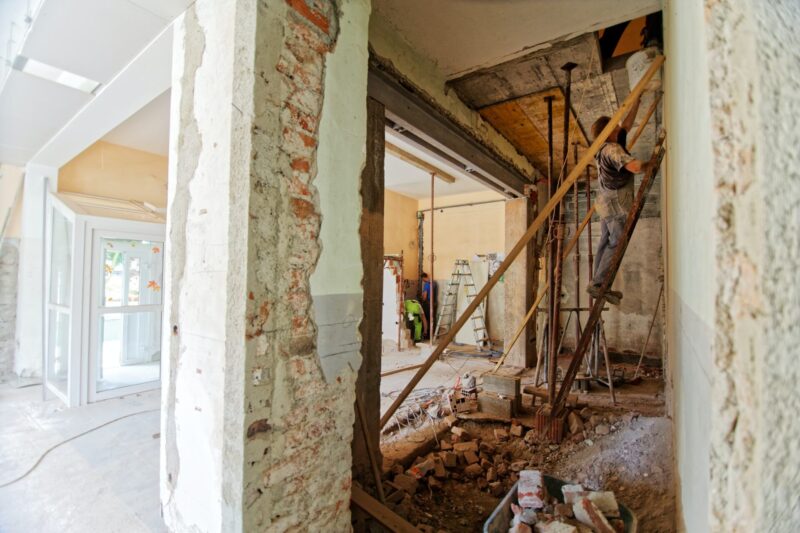
First, focus on the work done beneath floors or behind walls. This includes installing electrical and plumbing systems, for example. This is where the professionals should be involved, and plumbing and electrical inspectors will inspect the handiwork and make sure everything is up-to-date and safe.
Some renovations won’t need this kind of work, but it is important for certain projects. For example, an extension will need electrical systems and a connection to your central heating, call your local plumber in sydney to get quotes and estimations on how to move forward with the renovation. Or, if you plan on moving things around in your bathroom or kitchen, you may need to move plumbing pipes, electrical outlets, and even gas connections.
Once everything underneath the walls and floors is sorted out, you can move on to framing and drywall. Your contractor will essentially build the walls up so that the structure of your house and rooms are finished. They might also add support beams and window and door openings. This is where the building site finally starts to look like a home.
This is primarily interior work, but this step is also when you’d get the roof replaced or the outside rendering sorted out. Any large construction job comes before anything else.
Painting
Once the drywall is smooth, you have a blank canvas to play with. If nothing else, many families choose to do this part of the process themselves. However, a professional will provide a flawless job and you can still relax. It’s up to you which route you take.
You can also hang wallpaper if that’s what you prefer. In any case, choose a colour scheme that suits your tastes and pick good quality paint so that you won’t have to redo it anytime soon. Good rollers and paintbrushes will also make things far easier.
Fixtures and Fittings
Now that your walls are ready, it’s time to define each room with the fixtures and fittings. A complete home renovation includes ripping out the old bathrooms and kitchens and replacing them with something new.

This is where you can flex your creative muscles. Some people choose to buy a complete bathroom or kitchen set and get a contractor to install them into their houses, so they know exactly what they’re getting. Other families prefer to pick individual cupboards, fixtures, and fittings themselves.
The rest of your house can also get some of this love as well. Any cabinets should be installed around the house, as well as all the light fixtures. Essentially any furniture that’s attached to the home in any way (built-in wardrobes, for example) should be installed here.
Doors and Windows
Once each room has been defined, you should install windows and hang doors, if you’ve changed them around. Getting your doors and windows replaced is a great way to freshen the inside and outside of your home while reducing your utility costs. Older exterior doors and windows can become drafty and let heat escape.
Your interior doors are also good to replace now and then, as they can hugely affect the look and feel of your home. Besides, if you’ve changed the house around, then they may be in completely different places. Replacing outdated doors with new options is a simple way to refresh your space. If you’re ready to update your doors, you can buy primed doors that offer a clean, versatile base, allowing you to customize the finish to match your design style seamlessly.
When installing interior doors, it’s important to make sure that the doors will open and close properly. If you add carpets, test the doors and make sure that there’s enough clearance between the carpet and the door so that it can work smoothly.
Flooring
The flooring should be left as long as possible because it’s most prone to damage during the rest of the renovation process. New floors can transform your home, either making it look brighter and airier, or more cosy.
Carpets, for example, make a home warm and cosy. They typically go in living rooms and bedrooms, as well as any halls and landings. Wooden floors also go in these rooms, often paired with rugs to have the same effect as carpets, but allowing you to clean them easier.
Laminate can work as a good wood replacement, it’s cheaper and easier to look after but might not last as long. Vinyl and tile flooring is very hardy, water-resistant, and easy to clean, making it perfect for kitchens and bathrooms.
Finishing Touches
Not every renovation will contain all of these steps, as it depends on how large a renovation you’re planning. If you plan to break up the project and renovate each room in turn, you can use these steps to plan each one.
In any case, it’s finally time to make your house a home. Any trimming and finishing touches should be installed here, as well as baseboards and other pieces of character that will complete each room.
Now you can move in your new furniture and get some family-friendly decor in your home. Heavy furniture might need carts and drop cloths so that you don’t damage your freshly remodeled walls, floors, and doors. Any appliances that aren’t built-in should also be installed in this phase. So, washing machines, fridges, and other appliances can be put into their new places.
Once the big things have moved in, bring in the smaller items. Finally, your house will have transformed from a building site to a brand new home that’s well and truly yours. Relax with a cup of tea and give yourself a well-earned pat on the back.
Discover more from Hello MrsShilts
Subscribe to get the latest posts sent to your email.