A few months ago, I was on a mission to transform my bathroom, and picking out the perfect shower bath was top of my list. But honestly, it turned out to be trickier than I thought. There were so many details to consider from figuring out the ideal size to deciding on the material, everything had to be just right. I have gathered some valuable insight that can help simplify your decision. In this blog, I will break down the key factors to keep in mind when choosing the perfect shower bathtub for your home.
Difference Between Standard bathtubs and Shower Bathtubs
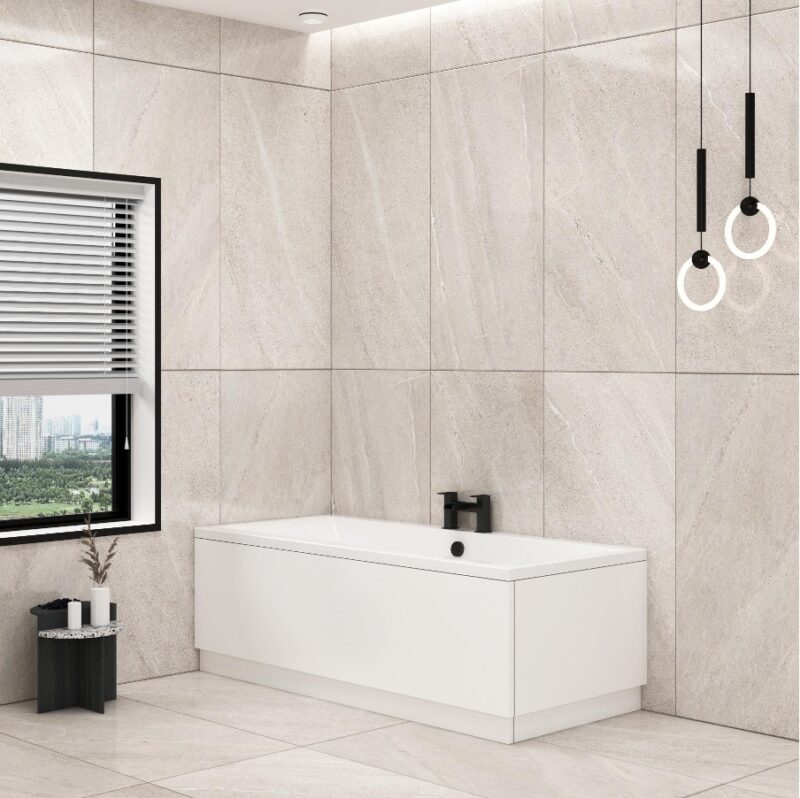
Bath and shower combination units may appear quite similar to standard bathtubs at first glance but offer added functionality. Let’s explore what sets these baths apart from common bathtubs.
Design and Configuration:
A combo bathtub is designed for both bath and shower. Some of these types are designed in a P or I shape to facilitate showering at one end.
On the other hand, the standard bathtub is a more general term and is a bathtub without specific provisions for showering. These may be freestanding, alcove, or built-in, and they are primarily designed for bathing rather than showering.
Shower Features
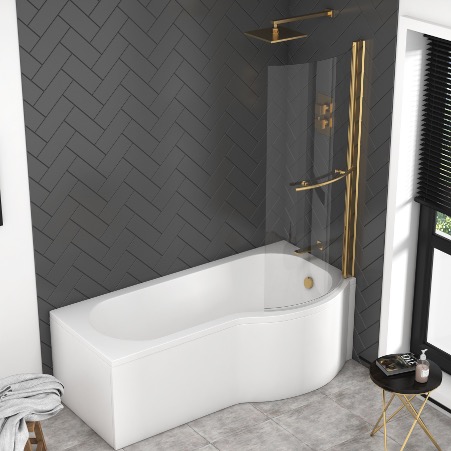
The defining feature of a shower bathtub is its design, which allows the user to take a shower while standing in the tub. That means you will have enough space available for having bath as well shower.
In comparison, a standard bathtub typically has a standard design and facilitates bath only. While it’s possible to add a showerhead at another end but will not have a spacious feel like I or p shaped bath.
Space Utilisation:
Shower bathtubs are designed to optimise space by combining the functions of a bathtub and a shower in one fixture. This is especially beneficial in smaller bathrooms where space efficiency is a priority. However, the standard bathtubs are dedicated to bathing and may take up more space in a bathroom compared to a shower bathtub. They are often chosen when the primary focus is on creating a luxurious bathing experience.
For those prioritising such an indulgent soak, freestanding bathtubs often stand out as a premier choice. These elegant fixtures, available in a range of modern and traditional styles, become a focal point in any bathroom, offering both comfort and a significant aesthetic upgrade. Many homeowners appreciate the flexibility in placement and the sophisticated look that Designer Freestanding Baths bring, transforming a simple bathroom into a spa-like retreat. They are crafted from various materials like acrylic, providing durability and excellent heat retention for extended relaxation.
Installation Considerations:
Installing a combo bathtub may involve more complex plumbing work to accommodate the shower end at the other end. You will also need to properly seal and waterproof the area to prevent leaks and water splash outs. In the standard baths, the installation may not require a shower head, it may generally be straightforward. However, if you have the intention to install a showerhead late, a few modifications may be necessary.
Cost Considerations:
The cost of a shower bathtub may vary depending on factors such as materials, additional features, and brand. In some cases, the inclusion of shower features can slightly increase the overall cost.
Standard tubs without shower features, are generally more straightforward in design and may be more budget-friendly. However, costs can vary based on materials and design elements.
Making a Choice Between Standard Baths and Shower Baths
Here we have discussed the factors to consider when making a choice between a shower or a standard bath.
Understanding Your Space:
When planning for a combo shower and bath unit, your first step should understand the available space in the bathroom. You will need to measure dimensions accurately.
- Take into account the fixtures like cabinets, toilets, doors,
- Decide where your bath fits in.
- Think about the availability of plumbing for a shower head and bathtub.
- You should also determine the suitable size and shape of the bathtub, depending on your assessment.
Types of Shower Bathtubs:
Some people prefer converting their alcove or freestanding bath into a combo unit by simply adding a shower head. However, if you want a specifically designed bath then you have two options available to choose from.
- P Shaped Baths. The P-shaped shower bath gets its name from its resemblance to the letter “P.” It has a curved or rounded section at one end, which is wider and provides more space for showering. The other end is narrower and retains the traditional shape of a bathtub.
Here are the advantages of p shaped baths
- The curved showering area offers a more spacious and comfortable showering experience.
- The design is versatile and can fit well into various bathroom layouts.
- Suitable for those who want both a bath and a shower but may have limited space.
- I Shaped Baths. The l shaped bath has a straight and uniform shape, resembling the letter “I.” It maintains a consistent width from end to end, offering a more streamlined and modern look.
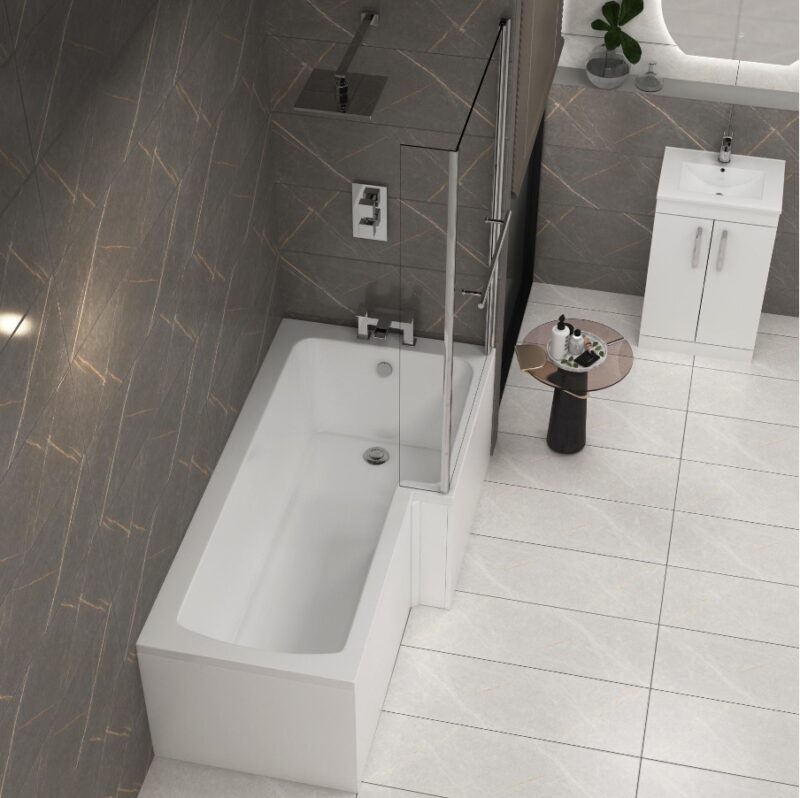
Here are the advantages of I-shaped baths.
- The straight design maximises internal space, providing a generous bathing area.
- I-shaped bathtubs are often chosen for their contemporary and minimalist aesthetic.
- Suitable for bathrooms with a more linear or symmetrical design preference.
Both P-shaped and I-shaped baths will require a curved shower screen to contain the water during showering.
Material Matters:
Shower baths come in various materials that affect its aesthetics, durability, maintenance and costs. Here is a comparison of common bathtub materials.
- Acrylic Baths: Lightweight, easy to clean, and available in various shapes and sizes, acrylic bathtubs are a popular choice for their affordability and versatility.
| Acrylic | – Versatile designs | – Moderate durability | – Easy to clean | – Affordable |
| – Smooth and glossy finish | – Light weight | – Susceptible to scratches |
- Cast Iron Baths: It’s known for their sturdiness and heat retention, cast iron bathtubs are durable but can be heavy and may require additional structural support.
| – Available in various shapes and sizes | – May show wear over time | – May discolour over time | ||
| Cast Iron | – Classic and timeless appearance | – High durability | – Resistant to scratches and stains | – Higher initial cost |
| – Sturdy with excellent heat retention | – Heavy, may require structural support | – Enamel coating may chip or crack | – Long-lasting |
- Fiberglass Baths: It’s lightweight and budget-friendly, fiberglass bathtubs are easy to install but may not be as durable as other materials.
| – Often retains heat well | – Long-lasting | – Regular cleaning with non-abrasives | ||
| Fiberglass | – Lightweight and easy to install | – Less durable than some materials | – Prone to scratches and cracks | – Budget-friendly |
| – Budget-friendly | – May flex under heavy weight | – Can be prone to fading |
- Stone Resin: It’s a type of material that offers a luxurious and natural look, stone resin bathtubs are durable and provide excellent heat retention, but they may come with a higher price tag.
| – Smooth surface | – Susceptible to surface damage | – Easy to clean | ||
| Stone Resin | – Luxurious and natural look | – High durability | – Easy to clean, but may require care | – Higher initial cost |
| – Excellent heat retention | – Heavy, may require structural support | – Resistant to scratches and stains | – Premium appearance | |
| – Variety of finishes available | – Long-lasting | – Regular cleaning with non-abrasives |
Installation Considerations:
The installation process can vary depending on the type of bathtub you choose. Freestanding bathtubs, for example, may require additional plumbing work, while alcove bathtubs are typically easier to install. Consider the following:
- Plumbing Requirements: Determine whether your chosen bathtub requires any modifications to your existing plumbing. Freestanding and clawfoot bathtubs, in particular, may need additional attention in this regard.
- Floor Support: Ensure that your bathroom floor can support the weight of the bathtub, especially if you opt for heavier materials like cast iron.
- Accessibility: Consider the ease of installation and any potential challenges, especially if you are replacing an existing bathtub.
Budget Considerations:
Establishing a budget is crucial in the decision-making process. Shower bathtubs come in a wide range of price points, so it’s essential to determine how much you are willing to invest. Keep in mind that the upfront cost is just one aspect, you will need to consider long-term durability and maintenance costs as well.
- Entry-Level Options: Acrylic and fibreglass bathtubs are often more budget-friendly, making them suitable for those with financial constraints.
- Mid-Range Choices: Stone resin and certain acrylic models may fall into the mid-range category, offering a balance between affordability and durability.
- High-End Selections: Cast iron and high-end stone resin bathtubs can be more expensive but may provide exceptional durability and a luxurious aesthetic
Energy Efficiency and Environmental Impact:
With an increasing focus on sustainability, it’s worth considering the energy efficiency and environmental impact of your chosen bathtub. You may look for options that are manufactured with eco-friendly materials and feature energy-efficient components.
- Insulation: Some bathtubs come with enhanced insulation, helping to retain heat and reduce energy consumption during prolonged soaking.
- Recyclable Materials: Consider bathtubs made from materials that are recyclable, reducing the environmental impact when it comes time for disposal.
- Heat Retention: Heat retention of bathtub typically depends on its material can help you reduce energy consumption by keeping the bath water warm for a long period of time.
| Bathtub Material | Heat Retention Properties |
| Cast Iron | Excellent |
| Acrylic | Good |
| Fiberglass | Fair to Good |
| Enamel-Coated Steel | Fair |
| Stone/Granite | Excellent |
Future Considerations:
As you select the perfect combo bathtub for your current needs, it’s also wise to consider the future. Think about how your preferences and lifestyle may evolve over time and choose a bathtub that can adapt to these changes.
- Home Resale: If you plan to sell your home in the future, a well-chosen bathtub can add to the overall appeal and resale value of your property.
- Adaptability: Consider features that enhance the adaptability of the bathtub, such as the ability to add grab bars or accessories for accessibility.
Ending Thoughts:
Choosing the right shower bathtub is a significant decision that involves a careful balance of practicality, aesthetics, and personal preferences. By considering factors such as space, material, lifestyle, and budget, you can find the perfect bath that will turn your bathroom into a heaven of comfort and style.
Discover more from Hello MrsShilts
Subscribe to get the latest posts sent to your email.