Advertorial Feature
When we think of children’s playtime, we often imagine them enjoying their own little world, where they invent games, create stories, and explore their surroundings. But there’s a growing body of research that shows parents who get involved in their kids’ playtime are doing much more than simply having fun. They’re helping to shape essential skills, build trust, and create strong, lifelong bonds. Here, we’ll explore why it’s important for parents to be active participants in their children’s play, the role brands like TP Toys play in facilitating this engagement, and the profound, long-term benefits that can come from these interactions.
Building Stronger Emotional Bonds Through Play
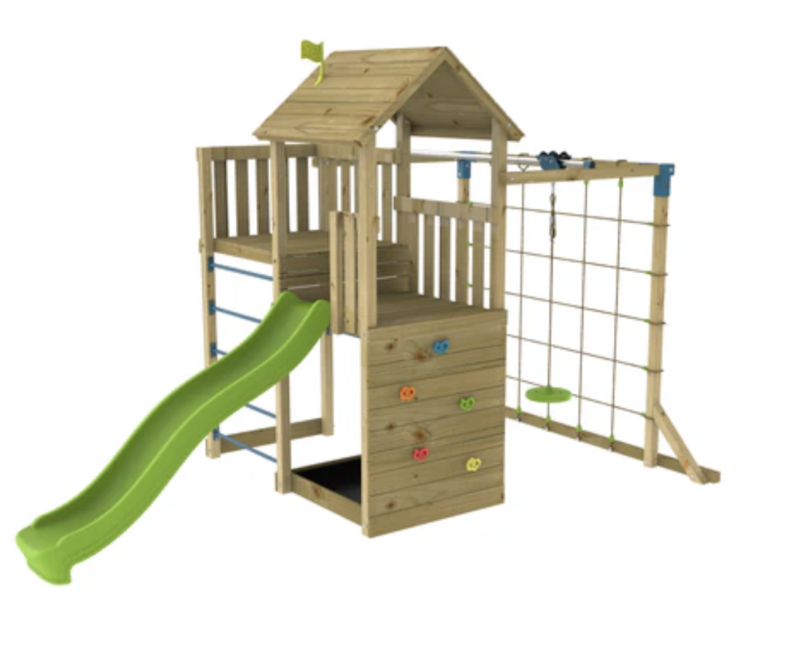
For children, play is more than a way to pass the time – it’s a fundamental way they learn about the world and interact with others. When parents join in, they become part of this learning journey. Engaging in play helps build a secure and trusting bond between parent and child, which has significant impacts on their relationship as they grow. Through simple activities, whether it’s a game of hide-and-seek or a family session on a TP Toys climbing frame, children learn that their parents are genuinely interested in them and value spending time with them.
The importance of these bonds cannot be overstated. Strong emotional ties formed during play support a child’s emotional development, which helps them to feel safe, loved, and valued. As children grow, these early positive experiences form the foundation for their sense of self-worth and their ability to form healthy relationships.
Encouraging Social and Communication Skills
When parents join in their children’s play, they’re not only spending quality time together but also modelling key social behaviours. In play, parents can demonstrate communication skills, such as turn-taking, active listening, and empathy. For instance, when playing with TP Toys role-play sets, parents and children can act out scenarios that require cooperation and problem-solving, allowing children to observe and learn from their parents’ social cues.
Children naturally absorb these interactions, which helps them navigate social situations outside the home. By actively participating, parents have the opportunity to reinforce positive behaviours like sharing, patience, and kindness. Children who play with their parents often develop strong social skills early on, which can lead to greater success in school, friendships, and, later, in the workplace.
Enhancing Cognitive Development Through Playful Learning
Play is one of the most effective ways to enhance cognitive skills in young children. When parents join in, they can challenge children to think creatively and solve problems. Whether they’re building a tower out of blocks or figuring out how to tackle an obstacle on TP Toys climbing frames, children engage in mental exercises that develop their problem-solving abilities, spatial awareness, and logical thinking.
Parents can make playtime an interactive learning experience by asking questions that spark curiosity and creativity. For example, while building together, parents can ask, “What do you think will happen if we add another block?” This type of interaction encourages children to think critically and explore new ideas, fostering cognitive development in a way that feels natural and enjoyable.
Physical Development and Fitness
In a world increasingly dominated by screens, physical play is more important than ever. Active play helps children build coordination, strength, and endurance. When parents join in, they can encourage children to engage in activities that promote physical health. Brands like TP Toys offer a variety of outdoor equipment, from trampolines to swing sets, that can transform the garden into an exciting space for physical play.
Parents who get involved in outdoor play not only set a positive example but also encourage children to be active and healthy. This has lifelong benefits, as children who are physically active with their parents are more likely to carry those habits into adulthood. Additionally, physical playtime can help reduce stress, improve mood, and support better sleep for both parents and children.
Boosting Confidence and Self-Esteem
Playing with parents provides children with positive reinforcement that boosts their confidence and self-esteem. When parents participate in their children’s games, it sends the message that their thoughts and ideas are valued. Children feel a sense of accomplishment when they achieve something in play, whether it’s learning to balance on a TP Toys seesaw or completing a challenging puzzle together.
When parents praise their efforts, they build up their self-confidence, helping them approach new challenges with a can-do attitude. This confidence doesn’t just apply to play but extends to other areas of life, such as school and friendships, giving children the resilience they need to succeed.
Promoting Emotional Resilience
Play is an essential outlet for children to express and process their emotions. When parents join in, they can help children navigate feelings of frustration, joy, disappointment, and excitement. Through play, children learn to cope with different emotions in a safe environment, and with parental guidance, they develop resilience.
For example, if a child gets frustrated because they can’t climb to the top of a TP Toys climbing frame, a parent’s encouragement and support can help them manage that frustration, teaching them patience and perseverance. This process of working through emotions with parental support helps children develop the skills they need to handle challenges in life.
Strengthening Parental Mindfulness and Connection
Joining in on playtime doesn’t just benefit children – it also has a positive impact on parents. Playing with children allows parents to experience mindfulness by staying present in the moment and letting go of daily stressors. For those few minutes or hours, they can immerse themselves in their child’s world, reconnecting with the simple joys of life.
Parents who regularly play with their children often report feeling a stronger connection to their children and experience lower levels of stress and anxiety. The playful bond created during these moments is irreplaceable, fostering an enduring sense of closeness that benefits the entire family dynamic.
Choosing the Right Tools for Engaging Playtime
A key to engaging playtime is choosing the right toys and equipment that encourage active participation from both parents and children. Brands like TP Toys have made it easy for families to create interactive play experiences at home. Their range of products, including climbing frames, trampolines, and swing sets, is designed to support a variety of developmental needs, from physical fitness to imaginative role-play.
With TP Toys, parents have the opportunity to create a play environment that invites both children and adults to participate. For example, climbing frames encourage physical interaction, while role-play sets provide a chance for creative storytelling. Choosing high-quality, durable equipment from trusted brands ensures safe play that fosters exploration and excitement.
Making Playtime a Daily Habit
Incorporating play into daily routines doesn’t have to be time-consuming or complex. Even 15-30 minutes a day of engaged play can have a significant impact on a child’s development and the parent-child bond. Simple activities, like building with blocks or playing tag in the garden, can become cherished memories that shape a child’s sense of family and belonging.
Parents who make an effort to join in their children’s playtime show them that spending time together is a priority. This regular, intentional engagement helps children feel valued and loved, providing a strong sense of security as they grow.
Conclusion
While children naturally engage in play, parental involvement in playtime provides far-reaching benefits that go well beyond fun. Through active participation, parents can build stronger bonds, foster emotional and social skills, enhance cognitive and physical development, and boost self-esteem and resilience in their children. Brands like TP Toys make it easy for families to create interactive play spaces that support these benefits, turning playtime into a valuable opportunity for learning and connection.
So, the next time your child asks you to join in a game or invites you to explore their newest TP Toys adventure set, take the time to say yes. These moments are more than just play – they are investments in your child’s lifelong happiness, health, and success.
Discover more from Hello MrsShilts
Subscribe to get the latest posts sent to your email.