DIY flooring installation, whether laminate, vinyl, hardwood, or carpet, may be a satisfying procedure. However, you must avoid typical blunders that can cause irritation, time wastage, and needless expenses. The following are some blunders to steer clear of while doing your floor installation:

Failure to Consider Growth Gaps
Temperature and humidity variations cause materials like wood to expand and compress. The flooring may eventually bend or warp if an expansion gap does not exist. Leave a small space around the room’s edge. During installation, use spacers to keep this gap intact and then conceal it with baseboards or trim.
Incorrectly Measuring Carpet for Installation
You must know how to measure a carpet to achieve excellence in your flooring work. Obtaining accurate measurements is crucial for a flawless fit when installing carpet. First, measure the room’s length and width before taking any carpet measurements. To calculate the total square footage, multiply the length by the breadth. Remember that you must factor in seams, cuts, and any pattern matching, which will cost a little more. Furthermore, to take more precise measurements, you might need to divide the space into smaller parts if the room has an odd shape. Always check the dimensions before buying the carpet to ensure you have enough material.
Improper Placement of Carpet Seams
You must position seams where they will not be easily visible when you install the carpet. The room’s overall appearance may suffer if seams are positioned in high-traffic areas and are more noticeable. Carefully consider the arrangement to reduce the visibility of seams, particularly in spaces with extensive carpeting. Melt the glue on the seams with a seam iron for a smoother and more resilient finish.
Not Taking Time to Plan the Layout
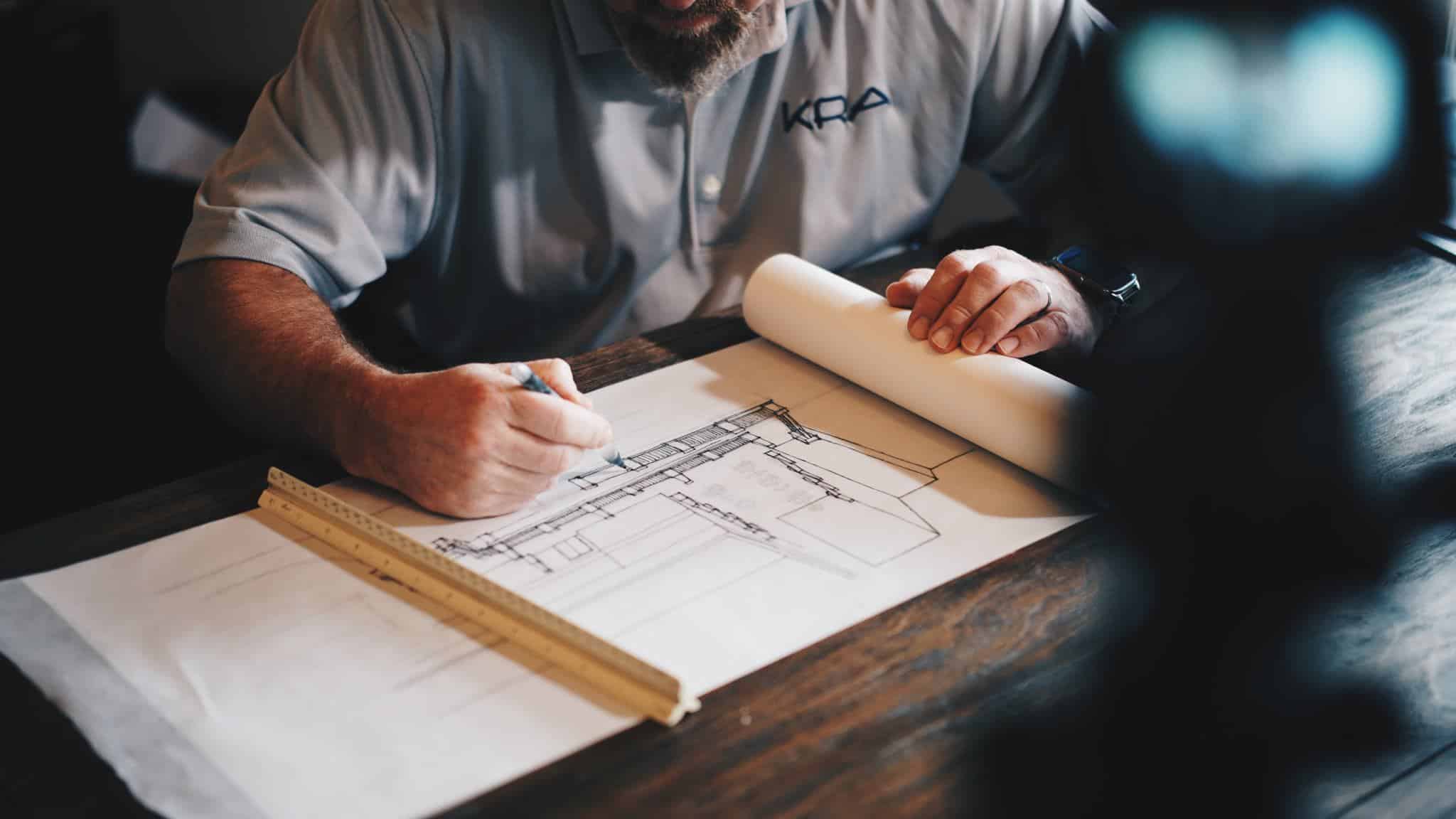
A solid plan is necessary for a successful do-it-yourself flooring installation. A poorly designed floor may be uneven or fragmented. When laying tile, for instance, arrange the tiles so that any cuts are done along the margins and the tiles are centered in the space.
Rushing the Installation
Rushing through the installation procedure can be alluring if you are excited to see the final product. However, hasty work might result in errors like bad cuts, uneven positioning, or improper adhesive setting time. Installing flooring takes a lot of work and patience. When needed, take breaks and concentrate on completing the task at hand.
Neglecting to Secure the Edges
Failing to fasten your flooring’s edges may eventually cause lifting, gaps, or shifting. These finishing touches are essential for a professional appearance and long-lasting effects, whether installing trim to conceal expansion gaps or applying transition strips between various flooring kinds.
Overlooking Safety Precautions
Although it is one of the most important factors to consider, safety is one thing that most people often disregard in the enthusiasm of a do-it-yourself flooring job. Injuries, material damage, or mishaps that cause the installation to be delayed can result from putting safety last. When cutting wood, vinyl, or tile, use safety goggles to shield your eyes from dust, splinters, or debris. Inhaling dangerous particles can also be avoided with a dust mask.
Keep your workspace neat, especially when handling large flooring boards, rolls of carpet, or adhesive supplies to prevent trip hazards. Exercise caution when using saws, nail guns, and utility knives. You may avoid needless delays and finish your flooring job incident-free by putting safety first.
Neglecting to Test for Moisture Levels
If moisture problems are not fixed before installation, they could destroy your flooring job. A lot of do-it-yourselfers forget to do this, particularly when working with materials that might bend, buckle, or even grow mold if exposed to too much moisture, including vinyl, laminate, or hardwood. Moisture retention is common with concrete subfloors. Prior to installation, measure the subfloor’s humidity with a moisture meter. Take care of these problems before starting your installation to prevent permanent harm. If you check for dampness and fix any problems, your flooring will stay strong and attractive for many years to come.
Conclusion
DIY floor installation may be a rewarding undertaking when you do it properly. However, it requires meticulous preparation, attention to detail, and the appropriate equipment. Avoiding typical faults, including improper subfloor preparation, acclimation neglect, and incorrect carpet measurement, can achieve a smoother installation process and a better final product. By taking your time and doing the required processes, you may create a floor that looks professional and improves the aesthetics and usability of your house.
Discover more from Hello MrsShilts
Subscribe to get the latest posts sent to your email.