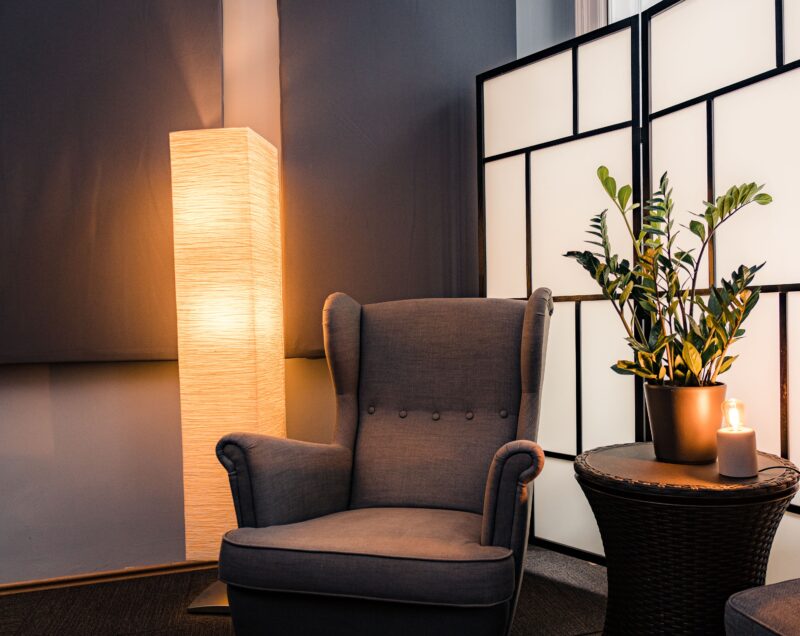
You may have noticed that more people are talking about sensory-friendly spaces lately. One reason for this is that life for many feels much louder, busier, and more overwhelming than it previously did. Between the constant notifications they get on their phones, the increasingly crowded and noisy public places they find themselves in, and even harsh lighting, it can make it harder for them to switch off and feel comfortable in everyday settings.
For some, sensory overload can be extremely frustrating and utterly exhausting. That is why empathetic schools, workplaces, healthcare settings, and even homes are starting to rethink how their spaces are designed. Primarily, this is because a calm environment can have a huge effect on a person’s mood, comfort, and ability to cope throughout the day. Let’s look at why sensory-friendly spaces are starting to matter much more than ever.
What Is a Sensory-Friendly Space?
For those not familiar with the concept, a sensory-friendly space is an area specifically created to reduce stress on the senses. That might mean it contains:
- Softer lighting
- Quieter surroundings
- Calming colours
- Furniture that feels safe and comforting to use
These environments are not just important for people who experience sensory sensitivities, such as autism, ADHD, anxiety, PTSD, or dementia. They also benefit those who just enjoy quiet time and calm spaces.
A good example of this is to think about how different you feel in a quiet hotel lobby, as compared to a crowded shopping centre where there are bright fluorescent lights and music blasting from every direction. Your mind and body notice the difference straight away.
What you might not be aware of is that furniture also plays a surprisingly big role in sensory-friendly design. That’s because elements like comfortable seating, supportive textures, and movement-based furniture can help people feel more settled. Indeed, many mental health and healthcare settings now use calming seating solutions, such as rocking chairs, to create more relaxing spaces. To see an example, you can explore a range of rocking chairs here that are specifically suited to sensory-safe and mental health settings.
Who Benefits Most From Sensory-Friendly Environments?
There is a pervading misconception that sensory-friendly spaces are only for children with autism. However, nothing can be further from the truth. In reality, many different people can benefit from these environments, including the following:
1. Autistic Adults
For autistic individuals, sensory overload can affect their ability to communicate with others, concentrate, and regulate their emotions. This means that bright lights, strong smells, crowded spaces, or unexpected noise can all become distressing.
Autism-friendly design often focuses on providing a sense of predictability and comfort for adults (and children) affected by this condition through quiet areas, calming spaces, soft furnishings, and reduced visual clutter. All of which can help people feel more relaxed and in control.
This is precisely why many schools, libraries, airports, and public venues now include sensory-safe furniture or quiet zones within their spaces.
2. People With Anxiety and Mental Health Challenges
Those living with anxiety or other mental health conditions often describe overstimulating spaces as mentally draining. Indeed, exposure to a loud waiting room or a chaotic workplace can increase stress levels without people even realising why.
In this regard, small environmental changes can make a real difference. In particular, softer lighting, quieter corners, and therapeutic furniture can all create spaces that leave people feeling less on edge.
This is one reason why movement-based furniture is becoming more common in healthcare interiors. As repetitive motion can feel soothing for some people, rocking chairs, for example, are often used in mental wellbeing spaces to encourage relaxation through gentle movement.
3. Older Adults and Dementia Sufferers
Older adults, particularly those living with dementia, may also struggle in noisy or confusing environments. Mainly, this is because too much stimulation can increase their levels of agitation or confusion.
Having simple layouts, with calming colours, supportive seating, and reduced background noise, can make a massive difference in aged care settings. Not least because they create a more reassuring atmosphere that makes shared spaces feel far more welcoming and comfortable.
What Features Make a Space Feel Calm and Safe?
Sensory-friendly design doesn’t always require you to undertake expensive renovations or major changes. In fact, in many cases, it simply comes down to removing what feels stressful or overwhelming. Essentially, spaces that feel calm are usually quieter, softer, and less visually chaotic.
In this respect, lighting has a huge effect on how comfortable a room feels. That’s because harsh fluorescent lights can feel draining, especially for people with sensory sensitivities or anxiety. On the other hand, softer lighting, warm lamps, and natural sunlight often create a far more relaxing atmosphere. Even something as simple as dimmable lights can completely change the mood of a room.
Similarly, noise plays a major role in sensory overload because busy environments filled with echoing sounds, loud conversations, televisions, or traffic noise can become mentally exhausting over time. That’s why many calming spaces use rugs, curtains, cushions, and other soft materials to absorb sound and reduce echo. They also usually have quiet corners that give people somewhere to reset when everything starts to feel too much.
Furniture matters more than many people give it credit for, too. The general principle is that sensory-friendly spaces should feel supportive and comfortable without making the environment feel cold or clinical. In this respect, pieces comprising soft textures, gentle movement, rounded edges, and calming colours often work best. This is one reason therapeutic furniture is becoming more common in healthcare settings, schools, and mental wellbeing spaces.
Ultimately, the goal isn’t to create a perfectly silent or empty room. Rather, it’s about creating an environment where people feel more relaxed, emotionally safe, and able to breathe a little easier. This can be very important for a parent.
Discover more from Hello MrsShilts
Subscribe to get the latest posts sent to your email.