Collaborative Post
Pregnancy is an amazing and incredible time, but it can also be stressful and exhausting. It’s important to be aware of what your body needs during this time so that you can give it the proper care.
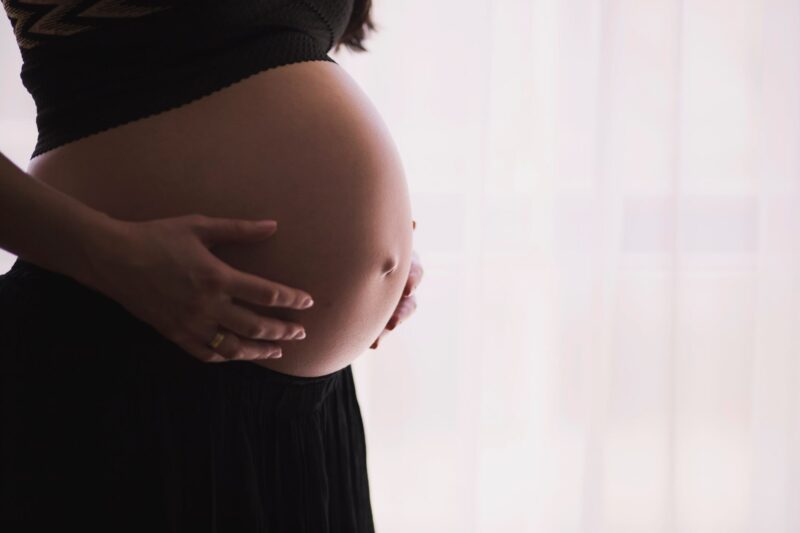
When you’re pregnant, your body undergoes some changes—some good, some not so great. So, in this article, you’ll read about eight ways to keep yourself feeling healthy and happy during pregnancy:
Give your feet and hands a break
Your feet work nonstop to support your body weight. As you get bigger with a baby, you’ll notice that they start to become swollen and sore, and if you don’t take care of them now, they can stay that way for the rest of your pregnancy.
To relieve some of the pressure from wearing uncomfortable shoes or socks all day long, try switching up what kind of footwear you wear (like flats instead of heels) as often as possible so that different parts of your foot can get a break every now and then. Massaging lotion or cream into your feet every night will also help keep them happy!
Stretch your belly
As you get bigger, the weight increases and can cause back pain, especially when you’re bending over or squatting down. Stretching will help relieve some of that pain and also help with digestion.
Stretching helps you sleep better because it relaxes both the body and mind, which is very important for pregnant mothers who need to stay healthy and strong for their babies’ sake.
Even if there’s not much room for movement in some areas of your body, stretching will also help circulation by increasing blood flow through areas where the baby bump has constricted, making it easier for oxygenated blood cells to reach all parts of your body.
Moisturize, moisturize, moisturize
Moisturizing is the key to treating dry skin during pregnancy. Your skin is a porous organ that absorbs what it comes in contact with, including moisture. During pregnancy, your skin becomes more sensitive to temperature, humidity, and hormone changes. This means that it’s especially important that you moisturize after showering or bathing so that you don’t dry out your skin. Dry skin can make it difficult for your body to maintain its natural balance of oils and moisture, which could lead to irritation and itching.
Moisturizing also helps protect against stretch marks, which are caused by the rapid growth of your uterus during pregnancy. If you don’t moisturize regularly, this rapid growth may result in stretch marks appearing on your abdomen, hips, or breasts.
Go easy on the caffeine.
If you’re pregnant, you might be tempted to indulge in some extra coffee, tea, or soda to get through your day. But it turns out that caffeine isn’t so good for a growing baby.
The American College of Obstetricians and Gynecologists recommends that women take it easy on caffeine during pregnancy. Too much caffeine can lead to increased heart rate and blood pressure, which aren’t great for your developing baby.
If you’re unsure whether or not you’re drinking too much caffeine, there are a few ways to tell: If you start consuming less than usual but still feel jittery or anxious, it could be a sign that you need to cut back on your daily intake.
Drink lots of water
The best way to stay healthy during pregnancy is to drink plenty of water. Water helps you feel full, and it can also help keep you hydrated. When you’re dehydrated, your body will tell you so with symptoms like headaches and fatigue. Drinking enough water daily can also help digestion by boosting the production of digestive juices in your stomach.
As a general rule, women should drink about ten glasses per day (that’s about 2 liters). This may seem like a lot, but it should come naturally if you drink a glass or two with each meal, plus another glass between meals and before bedtime.
Read up on what’s happening with your body week by week, and be aware of any issues or concerns
While you may not be able to control every aspect of your pregnancy, you can certainly learn more about what’s happening with your body and keep an eye out for any alarming symptoms. For example, signs that you’re experiencing preterm labor include abdominal cramps or contractions that are occurring more frequently than normal.
If bleeding occurs during pregnancy—especially if it’s dark red or brown in color—or if you experience spotting around three months before the due date, it could indicate a miscarriage. Knowing the signs of preeclampsia is essential so you can act quickly if they arise (e.g., headaches and blurred vision).
Similarly, knowing how gestational diabetes affects pregnant women will help you to prevent complications from developing later in your pregnancies (e.g., excessive weight gain).
Finally, knowing how placenta previa can affect mothers and babies is equally important because this condition involves too much amniotic fluid, which may lead to premature birth if left untreated.
Ask for assistance if needed, and don’t be afraid to say no when necessary.
While it’s great that you want to do everything yourself, some things should be left up to someone else. If you have a hefty load and feel like you need assistance, ask for help. While there will be times when it’s appropriate for them to do things on their own—or even take over the task entirely—try not to turn down offers of assistance from friends or family members when available.
Get fresh air as often as possible
It’s a good idea to get out of the house and into the fresh air, even if it’s only for a few minutes. You can do this by walking around your neighborhood or going on a run. Getting some exercise is also beneficial during pregnancy because it helps you maintain a healthy weight and maintain your energy levels throughout the day. If you want more options for getting fresh air, visit places like parks or beaches where you can enjoy nature.
Conclusion
In conclusion, it’s important to remember that pregnancy is a journey and every woman’s experience is unique. If you’re feeling overwhelmed by everything happening with your body during pregnancy, remember that most of them are temporary. It’s also important for you to be kind to yourself and ask for help when needed. Remember: taking care of yourself means taking care of your baby.
Discover more from Hello MrsShilts
Subscribe to get the latest posts sent to your email.