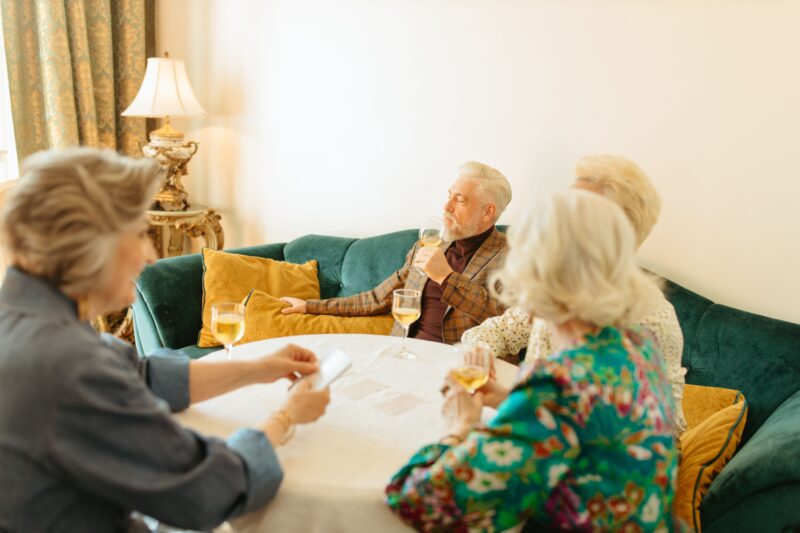
Retirement can be an exciting opportunity to rethink how you want to spend your time. Perhaps you picture slower mornings, regular coffee with friends, hobbies you finally have time for, or being closer to family in a familiar part of the UK. But where you live can have just as much impact on your later years as how you spend your free time.
For many people, the traditional choice has been staying in the family home or eventually moving into a conventional care setting. An integrated retirement community offers another option, combining independent living with access to support, shared spaces, and opportunities to stay connected.
So, what makes this type of community appealing for someone planning ahead for later life?
1. You Can Maintain Your Independence
One of the biggest attractions of an integrated retirement community is the opportunity to remain independent while having support available if your circumstances change.
Rather than moving into a setting designed primarily around care, residents can have their own private living space and continue managing their daily routines. This can provide a useful balance. You can enjoy your own home while knowing that additional services or support may be available when needed.
Independence can look different for everyone, but having choices over your daily routine can make a significant difference to your quality of life.
2. Everyday Social Connections Are Easier
Retirement can sometimes mean losing the regular social contact that came with work. Friends may move away, family members may have busy schedules, and it can become harder to meet people naturally.
An integrated community can make social interaction part of everyday life. Shared lounges, gardens, cafés, activities, and communal events can give residents opportunities to meet people without having to organise every social occasion themselves.
You might join a fitness class one day, attend a craft activity the next, or simply stop for a conversation with a neighbour. That sense of connection can be particularly valuable when you want your home to feel like more than just a place to sleep.
3. There Is Room for an Active Lifestyle
Retirement does not have to mean slowing down completely. Many people want to remain active, explore new interests, and make the most of their free time.
A well-designed retirement community can support this by providing spaces and activities that encourage residents to stay engaged. Depending on the community, this might include:
- Fitness or exercise facilities
- Walking routes and landscaped gardens
- Hobby and activity rooms
- Social clubs and events
- Places to meet friends for coffee or meals
- Spaces for visiting family members
The idea is to make it easier to continue doing the things you enjoy without spending excessive time travelling to different locations.
4. Support Can Be Available as Your Needs Change
One advantage of planning ahead is that you can consider future needs before they become urgent. An integrated retirement community may offer different levels of support, depending on the development and the services available. This can provide reassurance for someone who wants to remain independent but also wants to know that help may be available if their circumstances change.
It is important to check exactly what support a particular community provides rather than assuming every development offers the same services. When comparing options, ask about:
- Available care and support
- How support is arranged
- Whether services can change as needs develop
- Emergency arrangements
- Access to healthcare professionals
- Additional costs for support services
Understanding these details in advance can make it easier to decide whether a community suits your long-term plans.
5. You Can Plan for a More Connected Future
The UK’s population is ageing, making the way we approach later-life housing increasingly important. According to the Office for National Statistics, 18.8% of the UK population was aged 65 or over in 2024. That means there is growing interest in housing options that provide more than simply a place to live.
An integrated retirement community can bring independent living, social opportunities, amenities, and support together in one environment.
For someone planning several years ahead, this can be appealing because the move does not have to be based on an immediate need for care. Instead, it can be a proactive decision about the kind of lifestyle you want to have in later life.
6. Family Members May Feel More Reassured
Choosing where to live later in life is not always an individual decision. Adult children and other family members may naturally want to know that their loved one is safe, comfortable, and able to access help if necessary.
Living within a community can provide reassurance without requiring family members to take on all the responsibility themselves.
At the same time, good retirement planning should not be based entirely on what family members want. The resident’s own preferences, lifestyle, finances, and future needs should remain central to the decision. A useful conversation with family can cover practical questions such as where you would like to live, what support you might want, and how you would like to maintain your independence.
7. You Can Think Beyond Your Current Needs
Perhaps the biggest benefit of planning for an integrated retirement community is that you can make a decision based on the life you want in the years ahead rather than waiting until circumstances force a change. You can consider factors such as:
- Location and transport links
- Property size and layout
- Available facilities
- Social activities
- Outdoor spaces
- Healthcare and support options
- Costs and ongoing fees
- How easily family and friends can visit
Taking the time to compare these factors can help you find a setting that fits your priorities now while also making sense for the future.
Conclusion
Choosing where to live in later life is a personal decision, and there is no single option that suits everyone. An integrated retirement community can offer a combination of independence, social connection, activities, convenient amenities, and access to support, creating a different approach to retirement living. The key is to look beyond the property itself and consider how the wider community fits your lifestyle, relationships, finances, and future needs. By planning ahead and exploring your options before a move becomes necessary, you can make a more informed decision about what you want your later years to look like.
Discover more from Hello MrsShilts
Subscribe to get the latest posts sent to your email.