Balancing skills play a crucial role in a child’s development and overall well-being. Improving balance enhances attention, learning, reading, writing, and language skills in children. This connection between physical coordination and cognitive abilities makes balance a key focus in paediatric occupational therapy.

Children need good balance to navigate their daily lives effectively. From simple tasks like sitting still in class to complex activities such as playing sports, balance is fundamental. Occupational therapists recognize the importance of balance in helping children achieve their full potential in various aspects of life, including academic performance and social interactions.
Incorporating balancing activities for occupational therapy can significantly impact a child’s progress. These exercises not only improve physical stability but also contribute to better body awareness, concentration, and bilateral integration. By addressing balance issues early on, occupational therapists can help children overcome challenges and develop the skills necessary for success in school, play, and everyday activities.
The information presented is intended for educational use and is not a substitute for medical advice. Always seek professional guidance from your healthcare provider regarding your health.
Key Takeaways
- Balance skills are essential for cognitive development and academic performance in children
- Occupational therapy uses balance activities to improve overall functioning in daily life
- Early intervention in balance issues can lead to significant improvements in a child’s capabilities
The Importance of Balance in Child Development
Balance plays a crucial role in a child’s physical, cognitive, and social development. It forms the foundation for many essential skills and activities that children engage in daily.
Understanding Balance and Postural Control
Balance refers to the ability to maintain stability while standing or moving. Postural control, closely linked to balance, involves maintaining body position in relation to gravity. Children develop these skills gradually, typically achieving major milestones by age 5.
Good balance allows children to:
- Walk and run steadily
- Climb stairs confidently
- Ride a bicycle
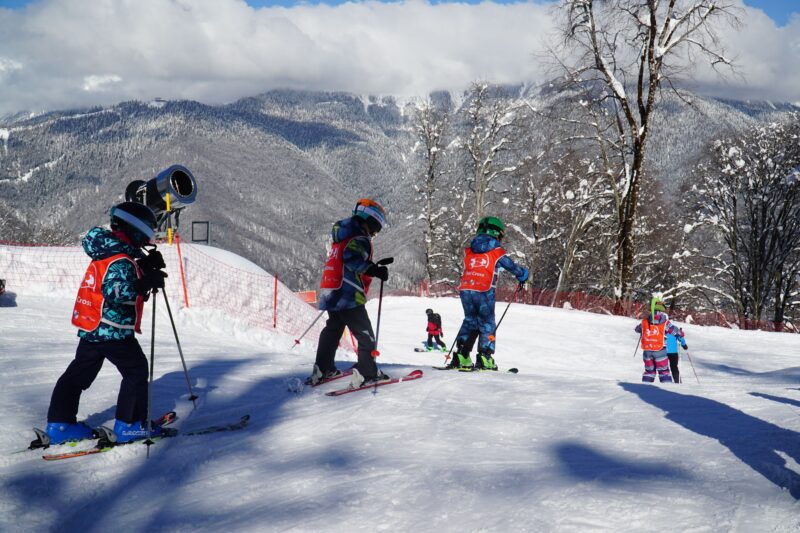
- Participate in sports
Postural control supports:
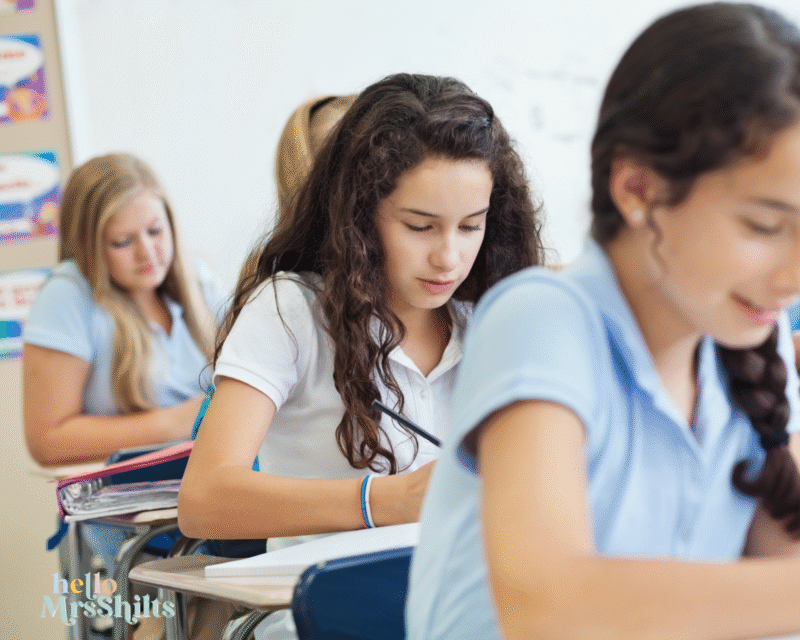
- Sitting upright at a desk
- Standing for extended periods
- Maintaining focus during tasks
As children grow, their balance and postural control improve, enabling them to tackle more complex physical challenges and activities.
Role of Occupational Therapy in Enhancing Balance
Occupational therapists play a vital role in helping children develop and refine their balance skills. They assess a child’s current abilities and create tailored intervention plans to address any deficits.
Common OT strategies for improving balance include:
- Balance board exercises
- Obstacle courses
- Yoga-inspired poses
- Ball skills
These activities challenge children’s proprioception and vestibular systems, which are key to balance development. Occupational therapists also work on core strength, as it directly impacts a child’s ability to maintain balance and proper posture.
Impact of Balance on Cognitive and Motor Skill Development
Balance skills have a significant influence on both cognitive and motor development in children. Good balance allows children to explore their environment more confidently, leading to increased learning opportunities.
Cognitive benefits of improved balance:
- Enhanced spatial awareness
- Better attention and concentration
- Improved problem-solving skills
Motor skill advantages:
- Refined coordination
- Increased dexterity
- Smoother movement patterns
Children with well-developed balance skills often excel in activities requiring hand-eye coordination, such as writing, drawing, and using utensils. This proficiency can boost self-esteem and encourage further skill development.
Practical Strategies and Activities to Improve Balance
Balance improvement in occupational therapy for children involves targeted exercises, sensory integration, and environmental adaptations. These approaches enhance coordination, strength, and proprioception.
Engaging Balance Activities and Exercises
Single-leg stands strengthen lower extremities and improve stability. Children can start by holding the position for 5-10 seconds, gradually increasing duration. Obstacle courses challenge balance while promoting motor planning. Set up a path with stepping stones, balance beams, and unstable surfaces like foam pads.
“Floor is lava” games encourage dynamic balance. Kids hop between safe zones, adjusting their movements quickly. Incorporating reach activities during balance tasks enhances coordination. Children can stand on one foot while reaching for objects at various heights.
Yoga poses like tree pose or warrior pose build core strength and body awareness. These can be modified based on the child’s ability level.
Integrating Sensory and Motor Skills Through Play
Sensory-rich activities boost balance development. Swinging provides vestibular input, crucial for equilibrium. Alternating between slow, linear swings and rotational movements challenges the sensory system.
Proprioceptive activities like animal walks improve body awareness. Bear crawls, crab walks, and frog jumps engage multiple muscle groups while promoting balance. Hopscotch combines visual-spatial skills with single-leg balance and coordination.
Balancing on therapy balls or sit-discs during tabletop activities integrates core strengthening with fine motor tasks. This dual-focus approach enhances overall sensory processing and motor control.
Adaptive Equipment and Environmental Modifications
Balance discs and wobble boards create unstable surfaces, challenging the body’s equilibrium responses. Start with static balance, then progress to dynamic movements on these tools.
Raised surfaces like low platforms or balance beams of varying widths provide opportunities to practice narrow base of support. Use textured mats or surfaces to enhance sensory feedback through the feet.
Handheld equipment like scarves or bean bags add a manipulative component to balance tasks. Children can toss and catch while maintaining stability, integrating upper body coordination with lower body balance.
Visual cues like floor markers or wall targets guide movement and provide reference points for maintaining balance. These can be adjusted to increase difficulty as skills improve.
Conclusion
Balancing skills play a vital role in occupational therapy for children. These abilities support overall physical development, coordination, and independence in daily activities. Occupational therapists use targeted exercises and play-based interventions to help kids improve their balance.
By enhancing balance, children can participate more fully in sports, playground activities, and self-care tasks. Ongoing balance training through occupational therapy helps set the foundation for success in school, recreation, and life skills as kids grow and develop.
Discover more from Hello MrsShilts
Subscribe to get the latest posts sent to your email.