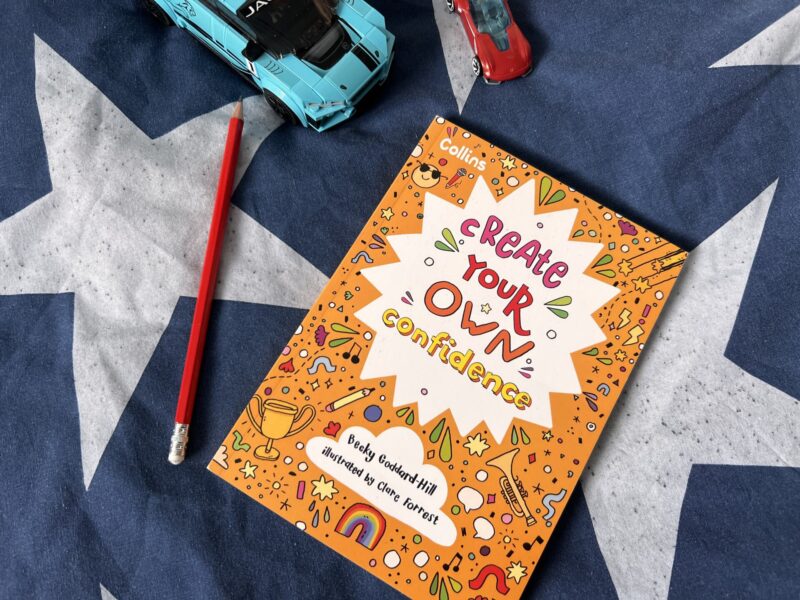
School breaks are a much-anticipated time for children, offering a break from the rigours of academics and a chance to dive into fun and imaginative activities. However, for parents, these breaks often come with the challenge of keeping their children entertained and engaged. The key to a successful school break is fostering creativity and providing opportunities for imaginative play. Two versatile and exciting tools that can help in this pursuit are trampolines and a Childrens picnic table. These items encourage physical activity and serve as a foundation for endless creative possibilities.
The Trampoline: A Springboard for Imagination
Trampolines have long been a staple in gardens across the UK, and for good reason. They are a source of endless fun, allowing children to expend their energy while improving coordination and balance. But beyond the obvious physical benefits, trampolines can also serve as a springboard for creativity.
A Trampoline is more than just a tool for bouncing up and down. It can become the centrepiece of a child’s imaginative play. For instance, it can be transformed into a spaceship that blasts off to distant planets, a pirate ship navigating treacherous seas, or even a magical cloud that floats high above the ground. The possibilities are only limited by the child’s imagination.
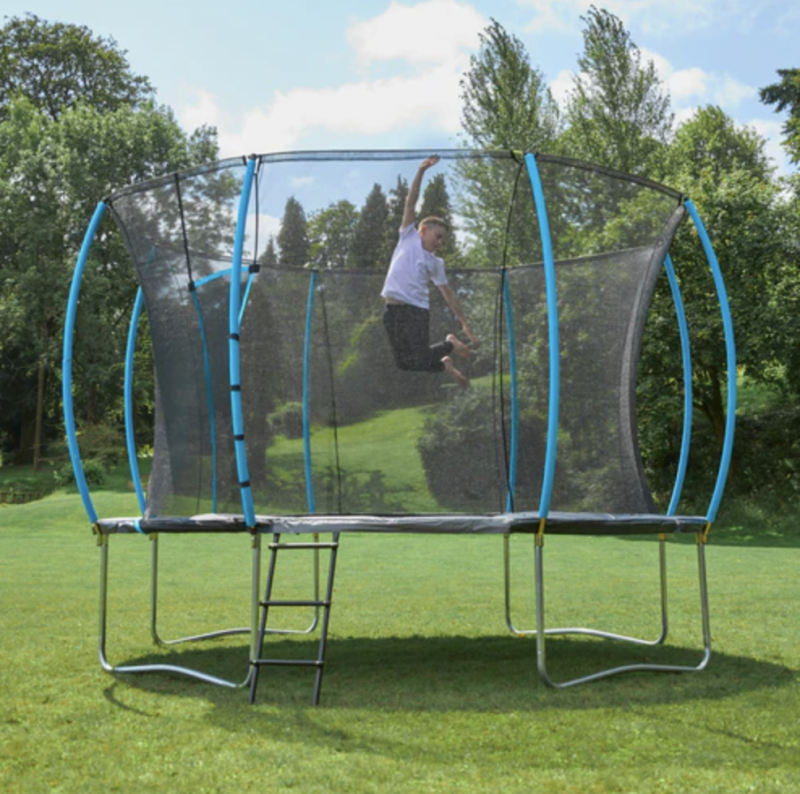
Parents can encourage this imaginative play by participating in storytelling sessions while the children are on the trampoline. Parents can turn a simple bouncing session into a grand adventure by weaving stories that align with the children’s movements, such as pretending that jumping higher gets them closer to the stars.
Furthermore, trampolines are excellent for group activities. Children can invent games that require coordination and teamwork, fostering social skills while also keeping them active. A group of children might pretend the trampoline is a dance floor, choreographing routines and holding “performances” for their parents. These activities not only keep children entertained but also help them develop important social and communication skills.
The Children’s Picnic Table: A Hub for Creative Play
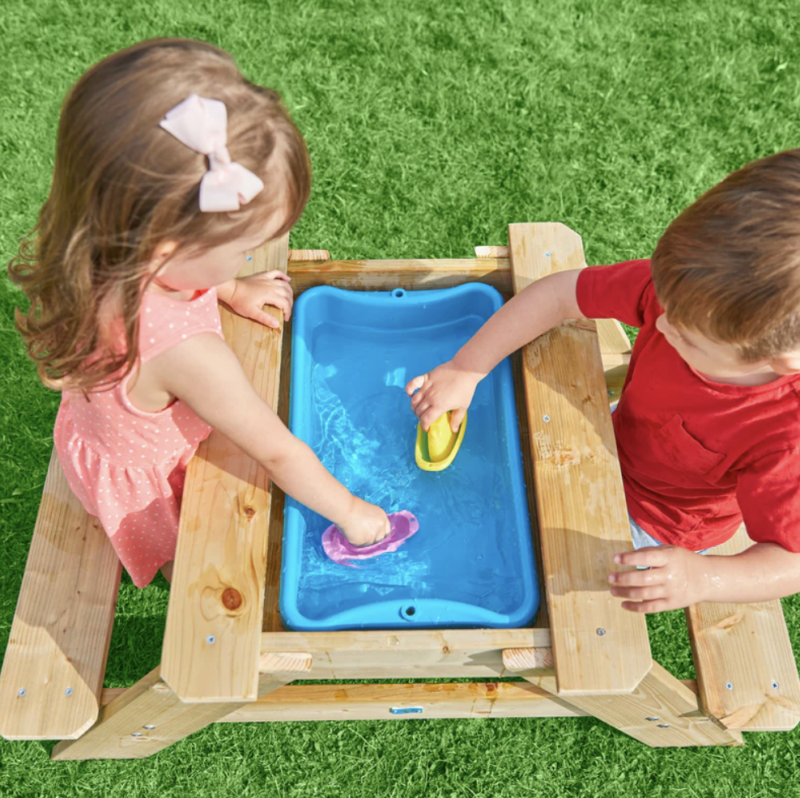
A children’s picnic table might seem like a simple piece of garden furniture, but it holds immense potential for creative play. It can serve as a hub where children gather to engage in various activities that stimulate their imagination and creativity.
For example, the picnic table can be transformed into a workshop where children build crafts using natural materials found in the garden. Leaves, twigs, flowers, and stones can be turned into art supplies, allowing children to create their own masterpieces. This keeps them engaged and helps them develop an appreciation for nature.
Additionally, the picnic table can be the setting for various role-playing games. It can become a restaurant where children pretend to be chefs and waiters, serving up imaginary dishes to their friends or parents. Alternatively, it can be a marketplace where children “sell” their crafted goods, practising their communication and negotiation skills.
Another creative use of the picnic table is turning it into a storytelling corner. Parents can encourage children to create their own stories, either by drawing or writing, and then share them with the family at the picnic table. This can also be a place where children can read books, further inspiring their imagination through the tales they explore.
The picnic table is also perfect for hosting a real picnic, which can be a delightful way to break the routine. Children can help prepare simple snacks and drinks, set the table, and enjoy a meal outdoors. This not only adds an element of fun to their day but also teaches them valuable life skills.
Bringing It All Together
By integrating a trampoline and a children’s picnic table into their playtime, parents can create an environment that nurtures both physical activity and creative thinking. These items perfectly balance structured play and free-form imagination, ensuring that children remain engaged and entertained throughout the school break.
Moreover, these activities can be enjoyed alone or with friends, making them versatile options regardless of the number of children involved. Whether it’s a quiet afternoon spent crafting at the picnic table or an energetic morning bouncing on the trampoline, these tools offer countless opportunities for imaginative play.
In conclusion, the key to sparking children’s creativity during school breaks lies in providing them with the right tools and opportunities. A trampoline and a children’s picnic table are simple yet effective ways to encourage both physical activity and imaginative play. By fostering an environment where children can explore, create, and imagine, parents can ensure that school breaks are fun, enriching, and memorable.
Discover more from Hello MrsShilts
Subscribe to get the latest posts sent to your email.