Understanding the Basics of Bathroom Installation
Bathroom installation is a critical part of home improvement. It involves more than just fitting new fixtures. Planning is essential to ensure functionality, safety, and style. The process begins with evaluating the space. Consider the layout, plumbing, and ventilation. These factors influence which fixtures and materials will work best. Homeowners should also think about long-term needs. For instance, accessibility features like walk-in showers or handrails can increase comfort and safety. At this stage, it is also wise to check local building regulations. Compliance ensures that the installation meets legal and safety standards. Proper planning reduces mistakes, prevents delays, and helps maintain a smooth workflow. The right approach to bathroom installation balances aesthetics, practicality, and durability. This guide walks homeowners through the process step by step, offering tips that save time and avoid common pitfalls. Following these fundamentals can make bathroom installation a manageable and rewarding project.
Planning Your Bathroom Layout
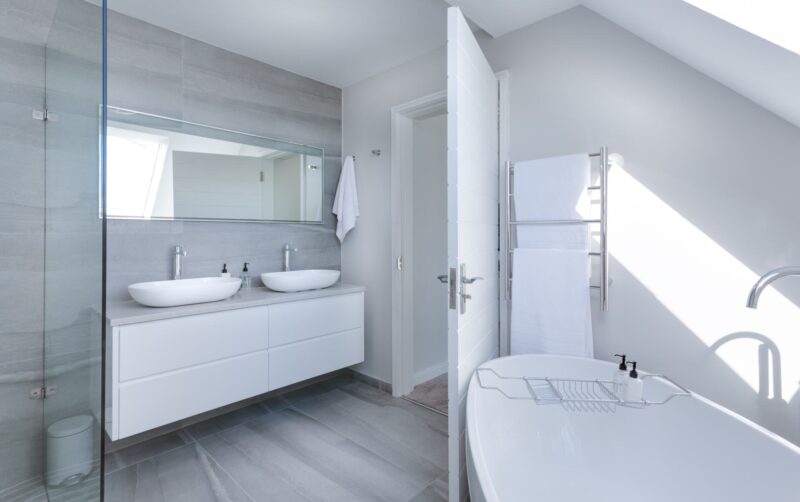
Layout planning is one of the most important steps in bathroom installation. The placement of sinks, toilets, showers, and storage affects both convenience and space efficiency. Start by measuring the room accurately. Draw a scaled plan to visualise the arrangement. Consider traffic flow and how doors and windows impact the space. Plumbing and electrical points often dictate fixture positions. If major changes are needed, it is best to plan before work begins. Modern layouts often focus on creating open, airy spaces. Built-in storage and wall-mounted units can free floor space. Think about lighting, too. Natural light enhances the sense of space, while well-placed artificial lighting improves functionality. Even small details, such as towel rails or mirror placement, affect usability. Investing time in layout planning pays off during the installation phase. A well-designed layout ensures the bathroom is practical, comfortable, and visually pleasing.
Choosing the Right Materials and Fixtures
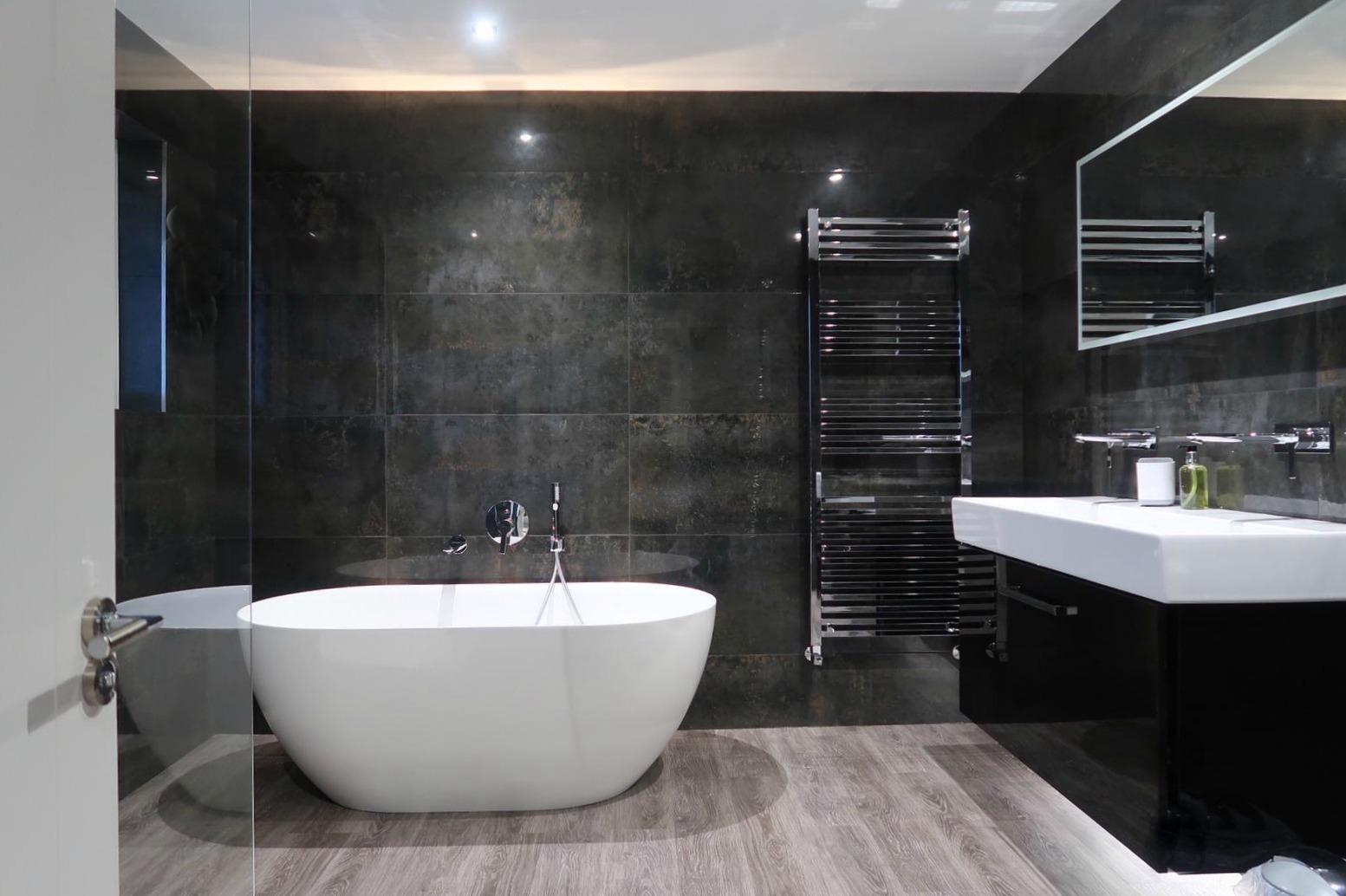
Selecting materials and fixtures is a vital part of bathroom installation. Durable materials withstand moisture, heavy use, and cleaning products. Common choices include ceramic tiles, natural stone, and waterproof laminates. Each option has its pros and cons. Tiles are easy to maintain, while natural stone offers a premium look. Consider non-slip flooring for safety. Fixtures like sinks, toilets, and showers should be functional and match the style of the room. Modern designs often prioritise simplicity and clean lines. Pay attention to water efficiency. Low-flow taps and dual-flush toilets save water without compromising performance. Bathroom accessories, such as mirrors, lighting, and storage units, should complement the main fixtures. Choosing quality materials at the planning stage avoids replacements and repairs later. While this could mean spending a little more on certain areas, like with bathroom vanity units, the impact it’ll have is more than worth it.
Preparing the Space for Installation
Preparation is key to a successful bathroom installation. Begin by removing old fixtures, tiles, and fittings carefully. Check the condition of the walls and floor. Any damage should be repaired before new materials are installed. Plumbing and electrical work must be inspected and upgraded if necessary. Ensure water supply lines, drains, and wiring meet current safety standards. Proper preparation prevents delays and costly mistakes. It also creates a solid foundation for the new bathroom. Protect surrounding areas from dust and debris. This includes covering floors, doors, and furniture. Planning the order of work helps maintain efficiency. For instance, plumbing should be completed before tiling. Clear preparation makes the installation process smoother and reduces the chance of errors. A well-prepared space also ensures that the final bathroom looks neat and professional.
The Installation Process Step by Step
Bathroom installation involves multiple stages, each requiring careful attention. First, plumbing and electrical work must be completed. Pipes, drains, and wiring should be positioned according to the layout plan. Next, walls and floors are prepared. Waterproofing is applied to protect against moisture. Tiles, panels, or other wall coverings are then fitted. Fixtures such as toilets, sinks, and showers follow. It is important to check for leaks and correct fitting issues before proceeding. After major fixtures are installed, smaller details are addressed. This includes mirrors, lighting, towel rails, and storage units. Finally, thorough cleaning and inspection complete the process. Testing water flow, drainage, and lighting ensures everything functions correctly. Following these steps methodically guarantees that bathroom installation is both efficient and effective.
Tips for Maintaining Your Bathroom
Once the bathroom installation is complete, regular maintenance keeps it in top condition. Clean surfaces frequently to prevent mold and mildew. Use suitable cleaning products that do not damage tiles or fixtures. Check plumbing connections for leaks periodically. Small issues, if ignored, can lead to costly repairs. Maintain grout and caulking to avoid water damage. Ventilation plays a key role in preventing dampness. Ensure fans and windows are used effectively. Simple steps like wiping down surfaces after use can prolong the lifespan of your fixtures. Regular maintenance preserves both the functionality and appearance of the bathroom. A well-maintained space remains safe, comfortable, and visually appealing for years.
Conclusion
Bathroom installation requires careful planning, the right materials, and proper execution. Each stage, from layout design to final touches, plays an essential role in the success of the project. By focusing on preparation, material selection, and step-by-step installation, homeowners can create a bathroom that is both practical and stylish. Regular maintenance ensures longevity and preserves the quality of the space. Understanding these principles makes bathroom installation a manageable task. Homeowners can confidently approach the process, knowing that attention to detail leads to a safe, attractive, and functional bathroom. Following this guide ensures that the investment in a new bathroom brings long-term satisfaction.
Discover more from Hello MrsShilts
Subscribe to get the latest posts sent to your email.