Life is truly full of surprises, and no matter how carefully you plan it, unexpected moments can still arise. Emergencies such as sudden job loss or urgent house or car repairs can disrupt your usual budget and force you to make tough spending decisions. But while these situations can be stressful, they don’t have to completely derail your financial stability.
This is where the budget triage approach comes in. Borrowed from the medical term “triage,” which refers to deciding which patients need immediate care, “budget triage” means identifying the expenses that must be paid first to protect your essential needs. It’s about focusing your limited funds on what keeps your household running and deferring or reducing other costs until you’re back on steadier ground. For many Filipinos, knowing these non-negotiable expenses can be the key to staying in control during challenging times.
With that in mind, let’s look at the non-negotiable expenses you should always prioritize during financial emergencies:
1) Rent or Housing Loan Payments
A roof over your head should always be your top priority because shelter is a fundamental necessity. Missing rent payments can lead to eviction, while failing to keep up with housing loan installments could put your property at risk of foreclosure. If you find yourself struggling to pay, be proactive in communicating with your landlord. Aside from negotiating for a payment extension, you can also ask if it’s possible to use your advance rent payment to cover the current month’s rent.
For homeowners, reach out to your bank or lending institution to discuss loan restructuring options, which can temporarily lower your monthly dues and give you more breathing room in your budget.
2) Electricity and Water Bills
Electricity powers almost every aspect of modern living, from operating appliances to charging devices, while water is essential for cooking and maintaining personal hygiene. Disconnections can cause major disruptions, and in some cases, may even pose health risks. If your budget is limited, start by conserving usage to bring your monthly bills down.
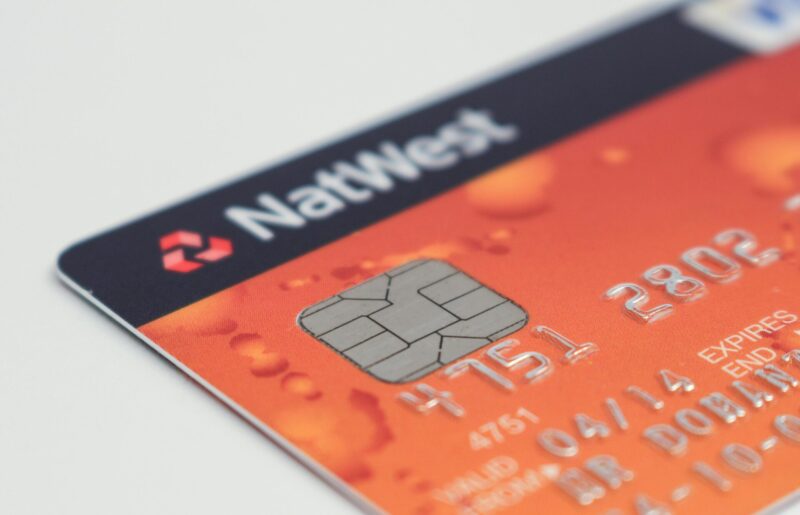
In case the payment deadline is fast approaching but your funds are short, consider using your cash advance credit card, like the Landers Cashback Everywhere Credit Card by Maya, to temporarily cover these bills. This can be a great short-term option if you’re expecting money soon, such as a salary credit or payment from a client. It allows you to access cash immediately to cover urgent expenses. As long as you’ll be able to pay it back quickly, you can minimize interest charges and fees.
3) Groceries and Basic Food Supplies
Food is a non-negotiable daily need, but that doesn’t mean every item in your grocery cart is essential. During a budget crunch, focus on nutritious yet affordable staples like rice, vegetables, eggs, and canned goods. Avoid premium products and non-essential snacks that can quickly inflate your expenses. Meal planning is also an excellent way to stretch your food budget and reduce waste, especially when paired with packing your own meals for work.
To stretch your budget, keep an eye out for discounted food items. For instance, many bakeries sell bread at reduced prices toward the end of the day. You can also save more by buying in bulk, but do so strategically by choosing stores that give you more for less, such as offering bundle deals or additional items for the same price.
4) Prescription Medicines and Urgent Medical Treatments
Health should never take a backseat, even when money is tight. If you have maintenance medicines for chronic conditions like hypertension, diabetes, or asthma, skipping doses can lead to serious complications that are far more costly to treat later on. That said, always set aside funds for your prescriptions, and try to buy in bulk if discounts are available at your pharmacy.
In addition, be prepared for urgent medical needs such as doctor consultations, lab tests, or minor procedures. Having a small health emergency fund can help cover these expenses without disrupting your other priorities, and it’s wise to explore more affordable healthcare options like community clinics or generic medicines when possible.
5) Internet Connection
For many Filipinos, the internet is a vital tool for earning a living, running a business, or pursuing education. Losing internet access can mean lost income opportunities, missed classes, and disrupted communication. If your monthly bill feels heavy, consider switching to a more affordable plan or using a prepaid connection to better control your usage and payments.
6) Mobile Postpaid Plans
While some mobile plans can be considered a luxury, they become essential if your phone is critical for your job, business, or family coordination. Missing payments could lead to service disconnection, which might affect your ability to communicate with clients or colleagues. A missed payment might also keep you from contacting loved ones in urgent situations.
If your current plan has extra features you don’t use, it’s worth downgrading to a cheaper package that still meets your needs. Alternatively, consider switching to a prepaid service, which allows you to control your spending more precisely while keeping you connected.
Financial emergencies may be unavoidable, but they don’t have to define your future. Each time you choose to focus on your essentials, you’re taking active steps toward stability and recovery. Even small, consistent decisions can create a path toward better days ahead. With resourcefulness and a clear sense of priorities, you can navigate challenges and come out stronger on the other side.
Discover more from Hello MrsShilts
Subscribe to get the latest posts sent to your email.