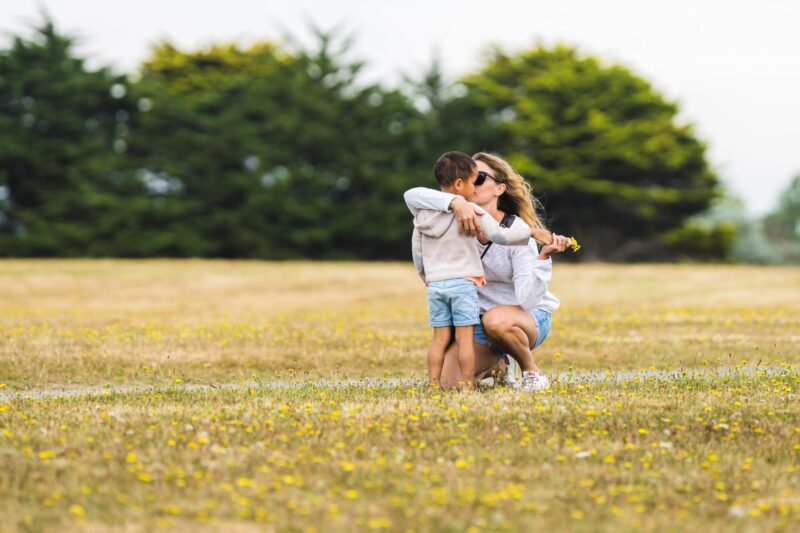
Back support belts have gained popularity as a tool to help individuals with back pain, poor posture, or those recovering from an injury. These belts provide support and stability to the lower back, making it easier to engage in various activities without discomfort or fear of further injury. Family outings and outdoor activities often involve lifting, bending, and twisting, which can be challenging for those with back issues. This article will explore the benefits of using a belt during these activities, helping you maintain good back health and enjoy your time outdoors with your loved ones.
Types of Back Support Belts
Before diving into the benefits of using a belt, it’s essential to understand the different types available to choose the right one for your needs. The four main categories are:
- Basic Elastic Belts: These belts are made of elastic material and wrap around the lower back, providing light support and compression. They are suitable for individuals with mild back pain or those looking for additional support during light activities;
- Rigid Braces: They are more structured and provide a higher level of support to the lower back. They often have rigid panels that help stabilize the spine and restrict movement. Rigid braces are often used by individuals recovering from an injury or surgery;
- Wraparound Belts: These belts wrap around the waist and lower back, providing additional support in the front and sides of the body. They may have additional features like adjustable straps, lumbar pads, or hot/cold therapy inserts. Wraparound belts are suitable for individuals with moderate to severe back pain; For added therapeutic relief, some people also turn to red light therapy belts, which use gentle infrared light to help reduce inflammation and ease back discomfort.
- Suspender-Style Belts: They have shoulder straps that help distribute the weight of the belt and support it across the upper body. This design can help reduce the pressure on the lower back and may be more comfortable for individuals with severe back pain or those who wear the belt for extended periods.
Consider your specific needs and consult a healthcare professional to help you choose the right one for your situation.
Benefits of Support Belt During Family Outings
Family outings are occasions filled with fun, laughter, and memorable moments spent with loved ones. However, for individuals who suffer from back pain or discomfort, these outings can become challenging and even discouraging. Fortunately, support belts can provide the necessary support and stability to help you fully engage in family outings without being held back by aches.
Improved Posture
One of the primary benefits of using a belt is improved posture. The belt helps maintain proper alignment of the spine, reducing the tendency to slouch or adopt poor posture habits. Proper posture can reduce the strain on the back and prevent further pain or injury during activities.
Reduced Risk of Injury
Wearing a belt prevent strains, sprains, and other injuries during outdoor activities. The belt provides additional support to the lower back, reducing the pressure on muscles and ligaments as you lift, bend, and twist. One physiotherapist in Sutton Coldfield, the BAC Clinic, recommends this, as the added support can help prevent injuries that may occur during physical activities, allowing you to enjoy your time outdoors with less worry.
Pain Relief and Management
For individuals with existing back pain, a belt can provide compression and support to alleviate discomfort. The belt stabilizes the lower back and helps reduce inflammation and promotes healing. This pain relief and management can make it easier to participate in family outings and outdoor activities without being held back by pain.
Increased Confidence and Mobility
It can provide a sense of security and confidence during outdoor activities. Knowing that your back is supported can encourage you to participate in activities with your family, improving your overall quality of life. Additionally, the belt can help you maintain a greater range of motion, allowing you to engage in various activities without fear of pain or injury.
Specific Activities Where a Belt Can Be Beneficial
Outdoor activities and family outings provide a fantastic opportunity for bonding, exercise, and enjoyment of nature. In this section, we will explore specific activities where a belt can be particularly beneficial, allowing you to make the most of your time spent outdoors while safeguarding your overall well-being.
Hiking
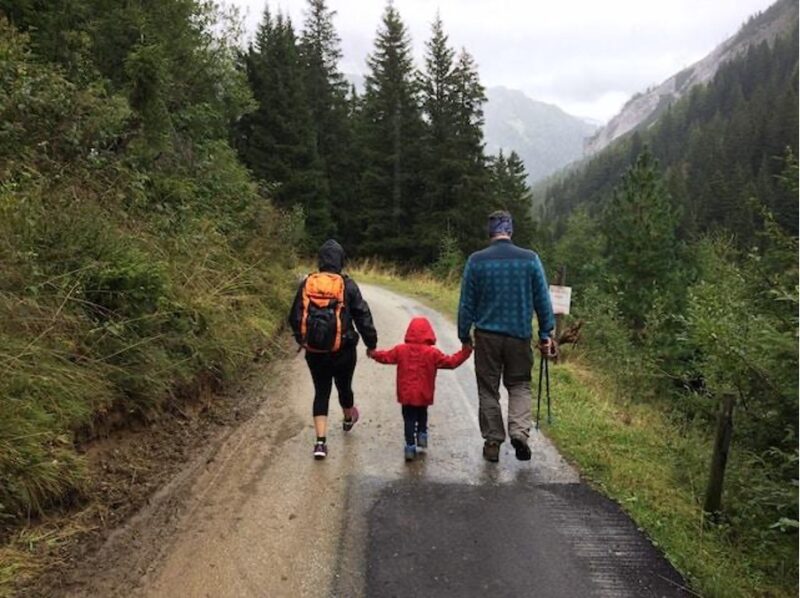
Hiking often involves walking on uneven terrain, carrying a backpack, and navigating uphill and downhill paths. A belt provides additional stability and support during these activities, reducing the strain on your back and preventing injuries.
Gardening
Gardening often requires bending, lifting, and twisting, which can be challenging for individuals with back pain. A belt can provide the support needed to maintain proper posture and reduce the risk of injury while tending to your garden.
Biking
Cycling can put pressure on the lower back, especially for those with poor posture or existing back pain. A belt maintains proper alignment and reduces strain while cycling, allowing you to enjoy this outdoor activity with less discomfort.
Playing Sports or Games with Children
Engaging in sports or playing games with your children often involves quick movements, bending, and lifting. Wearing a support belt can provide the additional support needed to prevent injury and participate fully in these activities with your children.
Picnicking and Setting Up Outdoor Equipment
Setting up picnic areas, tents, and other outdoor equipment often requires lifting, bending, and twisting. A brace reduces the risk of injury and makes these tasks more manageable.
Tips for Using a Support Belt Effectively
- Proper Sizing and Fit: To experience the full benefits, it’s essential to choose the correct size and fit. Consult a healthcare professional or follow the manufacturer’s guidelines for measuring and selecting the appropriate one;
- Wearing It Correctly: Ensure that it is positioned correctly on your lower back and follow any specific instructions provided by the manufacturer. The belt should feel snug but not too tight or restrictive;
- Balancing Support with Movement: While it provides stability and support, it’s essential not to rely solely on the belt for all movement. Engage your core muscles and maintain proper posture while wearing the belt to ensure you’re still actively supporting your back;
- Knowing When to Take Breaks and Rest: It’s crucial to listen to your body and know when to take breaks or rest during activities. Overexertion can lead to further pain or injury, even when wearing a belt.
Addressing Concerns and Misconceptions
It’s essential to understand that a support belt is not a cure for back pain or injury. It serves as a support tool to help alleviate pain and reduce the risk of injury during activities but should be used in conjunction with other treatments and therapies as recommended by a healthcare professional.
Some individuals may worry about becoming dependent on the belt for support. While it’s crucial to engage your core and maintain proper posture, using a belt as a tool for additional support during activities is not harmful.
There is a misconception that using a lower back support belt can cause your back muscles to weaken. However, when used correctly and in conjunction with proper posture and core engagement, it can help maintain back health without causing muscle atrophy.
Conclusion
In conclusion, using a back support belt during family outings and outdoor activities can provide numerous benefits, including improved posture, reduced risk of injury, pain relief and management, and increased confidence and mobility. By selecting the appropriate belt for your needs and following the tips for using it effectively, you can prioritize your back health and enjoy your time outdoors with your loved ones without pain or discomfort.
Discover more from Hello MrsShilts
Subscribe to get the latest posts sent to your email.