Post in association with Simba
Sleep apnea is a common condition that can significantly affect the quality of your sleep and overall well-being. Characterised by repeated interruptions in breathing during sleep, sleep apnea can lead to daytime fatigue, mood changes, and other health issues if not properly managed. Fortunately, there are effective strategies to improve your sleep quality and overall wellness. In this blog post, we’ll explore practical tips to help sleep apnea sufferers achieve better sleep, and we’ll introduce a product that can enhance your sleep environment for optimal rest.
Optimise Your Sleep Position
The position in which you sleep can directly impact the severity of sleep apnea. Lying on your back allows gravity to pull the tongue and soft tissues backward, which can obstruct the airway. Sleeping on your side is a simple but effective way to keep your airway open. For added comfort, you might consider a mattress that provides adequate support and pressure relief, like the Simba Hybrid Mattress. Its advanced design adapts to your body’s contours, ensuring you stay comfortable while sleeping on your side.
Use a CPAP Machine
Continuous Positive Airway Pressure (CPAP) therapy is one of the most effective treatments for moderate to severe sleep apnea. The machine keeps your airway open by delivering a steady stream of air through a mask. If you’ve been prescribed a CPAP, make sure the mask fits well to maximise its benefits.
Create a Sleep-Friendly Environment
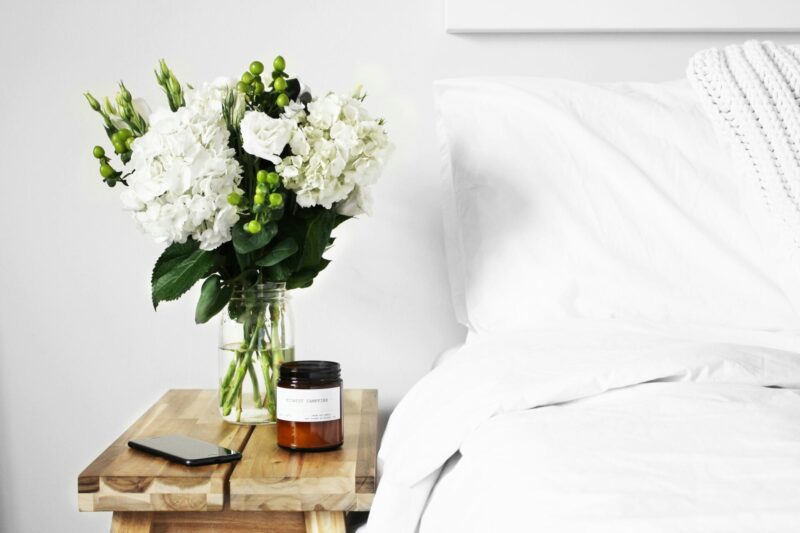
A comfortable sleep environment is essential for those with sleep apnea. Keep your room cool, dark, and quiet. Investing in a high-quality mattress, such as the Simba Hybrid Mattress, can make a big difference. Its hybrid design combines foam layers with individually wrapped springs, offering support and comfort that can help reduce tossing and turning, allowing you to sleep more soundly.
Practice Good Sleep Hygiene
Establishing a consistent bedtime routine can help regulate your sleep patterns. Go to bed and wake up at the same time every day, even on weekends. Avoid screens for at least an hour before bed, as the blue light emitted by phones, tablets, and computers can disrupt your natural sleep cycle.
Stay Hydrated but Avoid Late-Night Drinks
Drinking plenty of water during the day helps prevent dry mouth and throat, common issues for sleep apnea sufferers. However, avoid excessive fluids close to bedtime to reduce the chances of nighttime awakenings for bathroom visits.
Quit Smoking
Smoking irritates the airways and can increase inflammation, making sleep apnea symptoms worse. Quitting smoking not only benefits your sleep but also improves your overall health and reduces the risk of many chronic diseases.
Try a Humidifier
Dry air can make it difficult to breathe comfortably, especially if you use a CPAP machine. Using a humidifier in your bedroom adds moisture to the air, reducing dryness and helping your respiratory system stay clear throughout the night.
Manage Stress and Practice Relaxation Techniques
Stress and anxiety can worsen sleep apnea and interfere with restful sleep. Incorporate relaxation techniques like meditation, deep breathing exercises, or yoga into your daily routine. These practices can help calm your mind and prepare your body for a night of deep, restorative sleep.
Sleep Better with Simba Hybrid Mattress
For anyone looking to optimise their sleep environment, the Simba Hybrid Mattress is a game-changer. Its unique combination of foam layers and pocket springs provides excellent support and pressure relief, making it an ideal choice for sleep apnea sufferers who need a comfortable, supportive mattress. A well-supported sleeping position can help reduce sleep disruptions and promote healthier breathing patterns.
Incorporating these tips into your daily routine can help manage sleep apnea symptoms and improve your overall well-being. By making small, consistent changes, you can experience more restful nights and better health.
Discover more from Hello MrsShilts
Subscribe to get the latest posts sent to your email.