Advertorial Feature
If you’re thinking of extending your home, you’ll know it’s an expensive undertaking. And with the cost of labour and materials rising all the time, it’s not going to get any cheaper to do.
So, it’s useful to know the most sensible ways you can cut your costs when extending your home. From planning and design to building and fitting out, there are cost-effective measures you can take at every stage. And there’s no need to cut corners or lower the quality of your finish. Here are a few sensible ways you can cut costs.
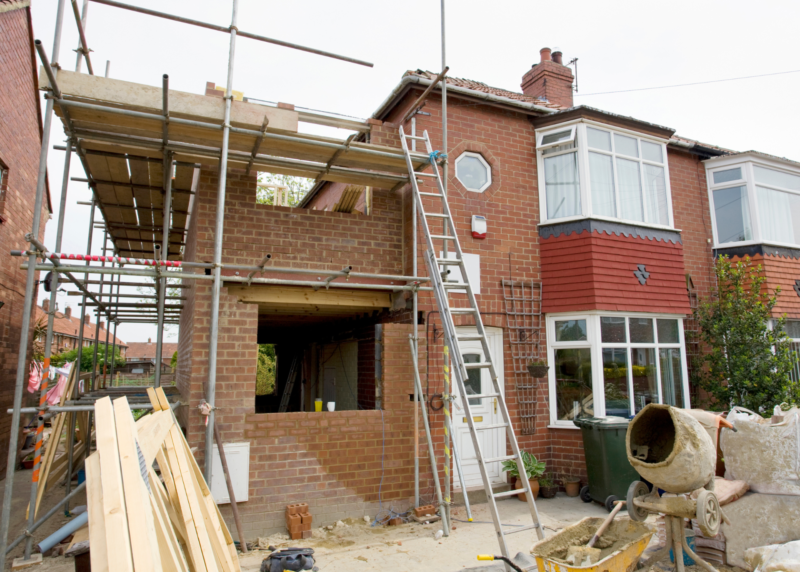
Choose the right type of extension
Careful consideration in the planning stages of your extension can really make a difference to your overall costs. Whatever type of home you have, there’ll always be one type of extension that’s more cost-effective than others.
For example, a side return extension is often the easiest and cheapest type of extension for a typical terrace house. This is because the construction can be kept fairly simple and the footprint small. So, labour and material costs can be kept to a minimum. And if it’s a small, single-storey extension, it should fall within permitted development, which will lower costs further. Of course, there are costs involved with a side extension that can bump your budget up, such as adding roof lights, lanterns or bi-fold doors to bring in sufficient natural light.
Keep it simple
Simplicity is key when you’re building any kind of extension on a budget. So, you want to avoid the need for complex work as that will add to the cost. This includes major groundworks that involve moving things like sewer pipes and trees, or the tricky demolition of existing buildings.
You also want to keep the design nice and simple. This will reduce the need for specialist skills such as structural engineers and the custom manufacturing of materials such as windows, beams and cladding.
Stick to the plan
Once you’ve got a plan, it’s important to stick to it. If you start making changes while the build is in progress, you’re going to add to the time it takes. This usually means paying more in labour costs. And you may need to pay for extra materials, to incorporate the changes into the build.
For this reason, it’s essential that you take your time on the planning and design stage. Be sure you’re happy before starting any work. There’s no harm in sitting on your plan for a while, so you have time to mull it over.
Reuse and recycle
Build materials, fixtures and fittings all cost money. So, it’s worth trying to reuse materials wherever possible. You can also sell any old or surplus materials to make some money back. This can include bricks from walls that have been taken down, old kitchen units that have been ripped out, and even soil that’s been removed for foundations. You may not have a use for them, but someone else undoubtedly will. So, list them online and find a buyer. It may only earn you a few quid, but it should save you the hefty cost of a skip.
You may also want to consider buying second-hand items yourself. Places such as the Used Kitchen Exchange, eBay and local salvage yards can save you thousands of pounds on top-quality materials and fittings.
Do it yourself
Although it’s unlikely that you’ll have the skills to build an extension yourself, there are plenty of jobs you can do to reduce your costs. So, what’s sensible for a novice to take on? Well, this depends a little bit on your existing skills and confidence. But most people can take on the project management of building an extension, rather than hiring someone to do it. This means keeping track of and managing the budget, materials ordering and timescales.
You may also be able to do other unskilled jobs such as labouring for your builder. This may involve fetching and carrying, mixing cement, plaster and mortar, and cleaning up. And later on in the project, you may feel confident enough to do a few DIY-friendly jobs. Things like tiling, putting together flatpack kitchen units and laying vinyl flooring, are reasonably easy for a confident DIYer to do.
Discover more from Hello MrsShilts
Subscribe to get the latest posts sent to your email.