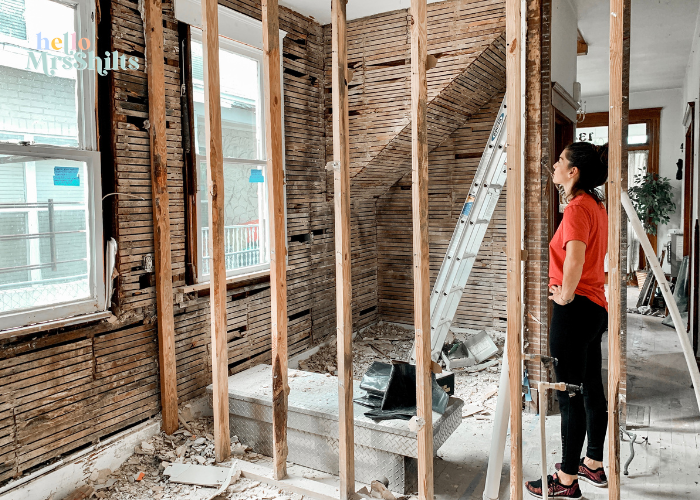
There’s something uniquely exciting about breathing new life into an older British home. Whether it’s a Victorian terrace, a post-war semi or a countryside cottage, these properties often come with heaps of character and, occasionally, a few surprises lurking behind the wallpaper. A renovation can be thoroughly rewarding, but it also requires careful planning, patience and an understanding of how Britain’s housing stock was built. Here are the key things to think about before you get started.
Understand Your Property’s History
Before knocking down a single wall or picking out paint colours, take time to research the age, style and structure of your property. Older homes often have quirks and construction methods that modern houses don’t like lime plaster, solid walls or timber frames. Understanding these details will help you make sympathetic choices that maintain your home’s integrity while bringing it up to modern standards.
If your home is listed or in a conservation area, you’ll need to be extra careful. Planning permissions can restrict what materials or designs you use, and even small details like windows or roofing tiles may need to meet specific guidelines. It’s worth speaking to your local authority early on so you don’t run into costly delays later.
Check the Condition of the Structure
A good renovation always starts with solid foundations. Arrange a full structural survey before any work begins. This will highlight potential issues such as damp, subsidence, or outdated wiring and plumbing systems. Catching these early can prevent bigger headaches (and bills) down the line.
Common structural issues in older British homes include:
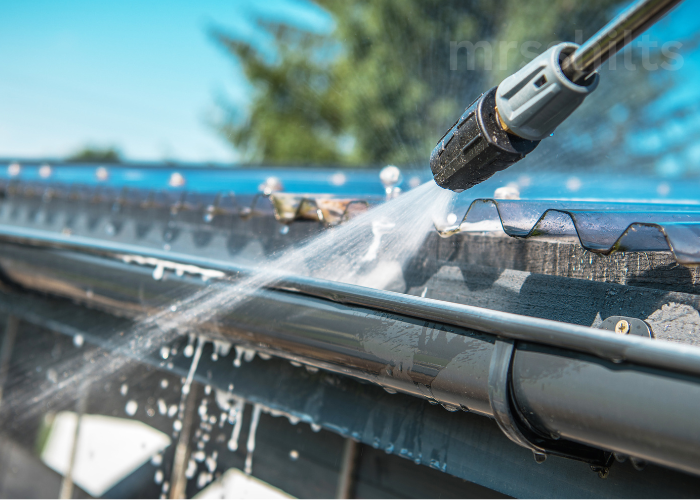
- Damp and mould: Often caused by poor ventilation, leaking gutters, or rising damp.
- Cracks in walls or ceilings: These could signal movement in the structure.
- Roof damage: Missing slates or damaged flashing can quickly lead to water ingress.
Once you know what you’re working with, you can build a clear picture of priorities; what needs immediate attention versus what can wait until later stages.
Prioritise Energy Efficiency
One of the best upgrades you can make in an older home is improving its energy performance. Many British homes were built long before insulation, double glazing, or efficient heating systems became standard.
Consider:
- Insulating walls and lofts: Cavity wall insulation, or internal insulation for solid walls, can make a huge difference in comfort and running costs.
- Upgrading windows: Double or triple glazing will help trap heat, reduce noise, and enhance security.
- Modern heating systems: A new boiler, underfloor heating or even renewable options like air source heat pumps can modernise your home’s energy use.
These improvements might not be as visually exciting as a new kitchen, but they’ll make the home more comfortable and cost-effective in the long term.
Retain Character Features
It’s easy to get swept up in modern design trends, but the charm of many British homes lies in their original features. Think fireplaces, coving, timber beams, or quarry tile floors, they all add warmth and individuality.
Restoring or repurposing these features is usually more sustainable and can add genuine value. For example, instead of removing a cast-iron fireplace, you could turn it into a decorative focal point. Stripping back painted doors or floors to reveal their original wood can also bring a sense of authenticity and craftsmanship back into the space.
Plan for Modern Living
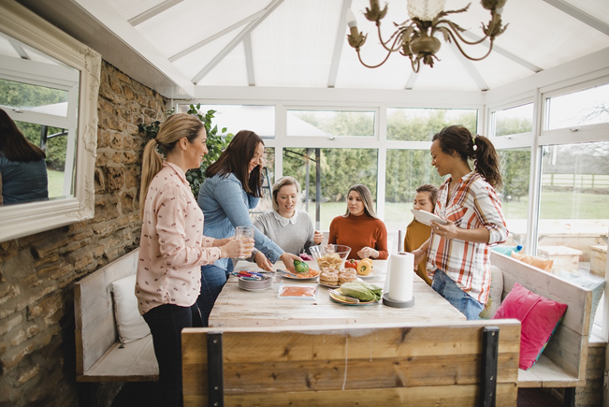
Even if your home is older, your lifestyle probably isn’t. Today’s homeowners want open-plan living, smart storage, and multifunctional spaces. When reconfiguring rooms, consider how you live day-to-day.
Would knocking through the kitchen and dining room create a better flow? Do you need a home office or utility space? It’s often worth investing in an architect or interior designer who specialises in period properties, they can help balance old-world character with modern practicality.
Don’t forget about electrical and data points too. Charging stations, smart lighting, and strong Wi-Fi coverage are now part of modern living, so plan your wiring before you plaster and paint.
Upgrade Your Heating Oil Tank
If your home is in a rural or off-grid area, chances are it’s heated by an oil-fired system; a setup common in many period and countryside properties across the UK. While reliable, these systems often rely on older single-skin oil tanks that can be inefficient and pose environmental risks if leaks occur.
When planning your renovation, if your property runs on a heating oil tank (which many rural period properties in the UK do), it’s worth considering an upgrade to a modern bunded heating oil tank. These double-layered heating tanks have an integrated outer shell that safely contains any leaks, preventing damage to your property and surrounding land. They also meet current environmental standards, giving you peace of mind that your system is both compliant and sustainable.
Modern bunded tanks are made from durable, weather-resistant materials and feature integrated gauges and alarms to help you easily monitor fuel levels. They also improve energy efficiency, ensuring your heating system runs smoothly and economically year-round.
Budget and Timeline Realistically
Renovations rarely go exactly to plan, especially when older properties are involved. Set a realistic budget with a healthy contingency (10–15% extra is wise) for those inevitable “hidden” discoveries behind walls or under floors.
Similarly, allow flexibility in your timeline. External factors like weather, supplier delays or planning approvals can cause unexpected hold-ups. By building in a buffer, you’ll reduce stress and avoid rushed decisions.
Work with Trusted Professionals
Finally, surround yourself with the right team. A good builder, electrician, and plumber who understand period homes are worth their weight in gold. Check references, get multiple quotes, and don’t be afraid to ask questions about materials, timelines, and safety standards.
Renovating your home can be a journey of discovery; equal parts challenging and rewarding. By respecting the property’s history, modernising its systems, and blending classic character with contemporary comfort, you’ll create a home that’s both timeless and tailored to your lifestyle.
And while sleek kitchens and stylish bathrooms may steal the spotlight, it’s those behind-the-scenes updates like replacing old water tanks, improving insulation, or upgrading electrics that truly future-proof your home for years to come.
Discover more from Hello MrsShilts
Subscribe to get the latest posts sent to your email.