Introduction to Heritage Conservation
The task of updating historic homes presents unique challenges that necessitate a delicate balance between preserving the past and embracing modern conveniences. This intricate process demands a thoughtful approach to ensure that any enhancements respect the home’s original design and historical significance.
Role of Conservation Architects
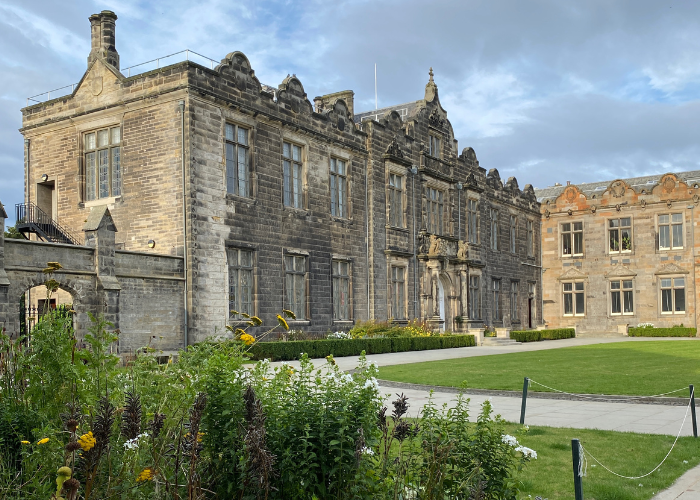
Conservation architects specialise in the delicate task of modernising historic properties. Their expertise helps in making decisions that affect both the structure’s integrity and its adaptation to contemporary living standards. These professionals must navigate local regulations that govern alterations to heritage sites, ensuring all modifications are in compliance while still achieving the desired modernization.
Structural Integrity and Aesthetics
One primary concern is maintaining the structural integrity of historic homes. Older buildings often require significant reinforcement to meet current safety codes without compromising their historical aesthetics. This might involve complex engineering feats like underpinning foundations or integrating new materials that mimic the old, preserving the original look and feel.
Modern Amenities and Historical Authenticity
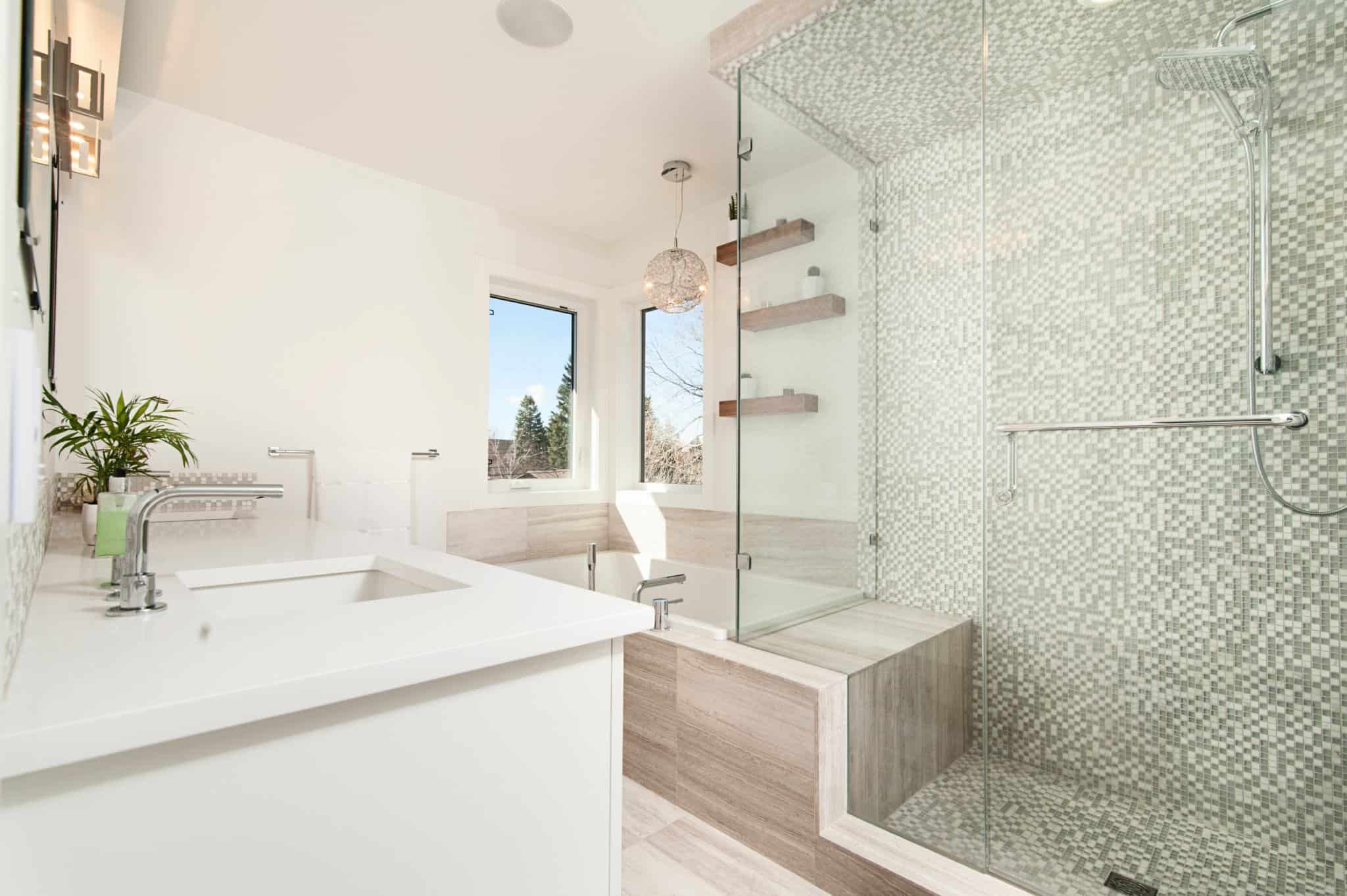
Introducing modern amenities—such as updated plumbing, electrical systems, and HVAC—into an old structure poses considerable challenges. These systems must be installed in a way that conceals them, to avoid disrupting the visual and architectural harmony of the building. Here, the expertise of conservation architects becomes invaluable as they design solutions that thread modern conveniences through the restrictive layouts of historic properties.
Adapting to Modern Codes
Adherence to modern building codes often requires creative problem-solving. For instance, implementing accessibility features like elevators and ramps in a way that does not detract from the historical facade can be particularly challenging. Conservation architects must devise innovative approaches to incorporate these elements seamlessly.
Sustainable Practices in Conservation
Sustainability is another critical aspect of modernising historic homes. Conservation architects strive to enhance energy efficiency and reduce the carbon footprint of these old structures, often employing cutting-edge technology to achieve these goals. This may include the use of sustainable materials or retrofitting energy solutions that align with the property’s age and style.
Community and Cultural Considerations
Engaging with the community and considering cultural significance are vital when planning updates to historic homes. Conservation architects often collaborate with local historians, community leaders, and cultural experts to ensure that renovations respect the cultural heritage and communal values associated with the property.
Overcoming Financial Challenges
The cost of renovating historic homes can be prohibitive due to the specialised techniques and materials required. Securing funding and managing budgets effectively are crucial aspects of a conservation architect’s role. They often explore various funding avenues, including grants, tax incentives, and private investments, to make these projects feasible.
Conclusion: Balancing Tradition and Modernity
Successfully modernising a historic home requires a profound respect for its past coupled with a vision for its future. The role of conservation architects is pivotal in bridging this gap, ensuring that these treasured structures can continue to be enjoyed for generations to come, all while meeting the demands of contemporary living. This careful balance of preserving history and embracing innovation is at the heart of every successful historic home modernisation project.
Discover more from Hello MrsShilts
Subscribe to get the latest posts sent to your email.