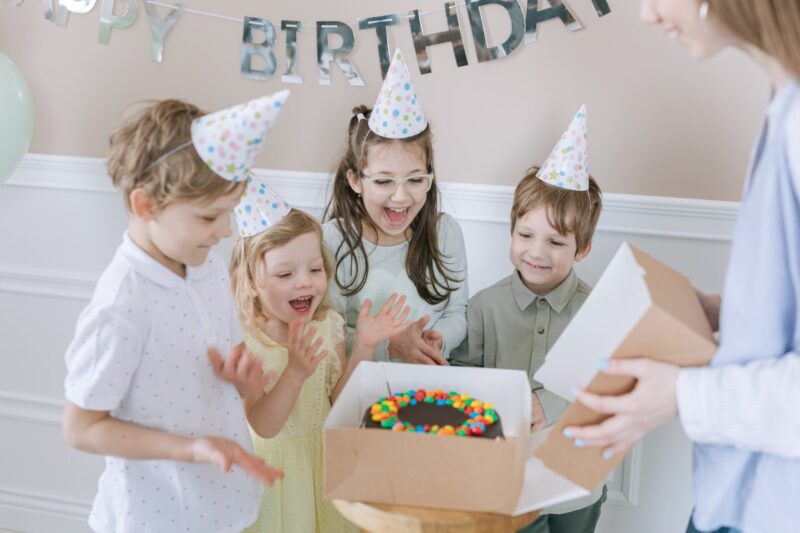
Children learn best through moments that feel familiar. Life lessons settle in more easily when they arrive during everyday activities, when there’s space to explore and ask questions. These lessons grow stronger through repetition, laughter, and shared effort. No lectures needed.
Instead of setting aside time for formal teaching, bring children into real situations. Play, chores, and stories all offer chances to pass on values. What they remember comes from how they felt while learning, not just what they were told.
Gamify the Basics
Games offer structure and freedom at the same time. They give children a way to practise skills while enjoying themselves. With the right games, families can introduce big ideas like planning, responsibility, and budgeting in a natural and stress-free way.
Money-themed games that teach financial literacy work because they let children try, adjust, and learn as they go. In Monopoly, children learn how to manage resources. Each purchase teaches them to think ahead, measure risk, and consider timing. The Game of Life adds another layer by showing how career decisions, savings, and long-term planning affect quality of life. Pay Day focuses on stretching income across a full month. It helps children understand how choices in one moment shape the rest of the game.
Solitaire builds patience and decision-making. It encourages children to think two or three steps ahead before taking action. Exact Change improves mental maths while reinforcing the idea that small amounts matter. It also helps children become comfortable recognising and combining different coin values. Such games create space to talk about spending, saving, and making smart choices.
Everyday Teaching Moments
Life is full of moments that teach, and the garden is one of the best places to start. Children develop problem-solving skills when something unexpected happens. If leaves go yellow or slugs start chewing the lettuce, they learn to investigate, adjust, and try again. Working with hand tools like watering cans and trowels teaches coordination and safe handling. As children grow older, they take on more involved jobs like planning plant layouts or turning compost. They begin to think ahead and consider how today’s actions affect tomorrow’s harvest.
Gardening also builds emotional habits. Routines like watering and weeding help children feel grounded. They learn what it means to stick with something over time and see how consistency leads to progress. That’s how gardening can teach kids life skills while adding to family income. When there’s more produce than a family can eat, children can help package extras to sell at a stall or share with neighbours. They learn how small actions contribute to savings and how to turn effort into real reward. Cooking meals with homegrown food builds on this experience and helps children understand the value of nutrition.
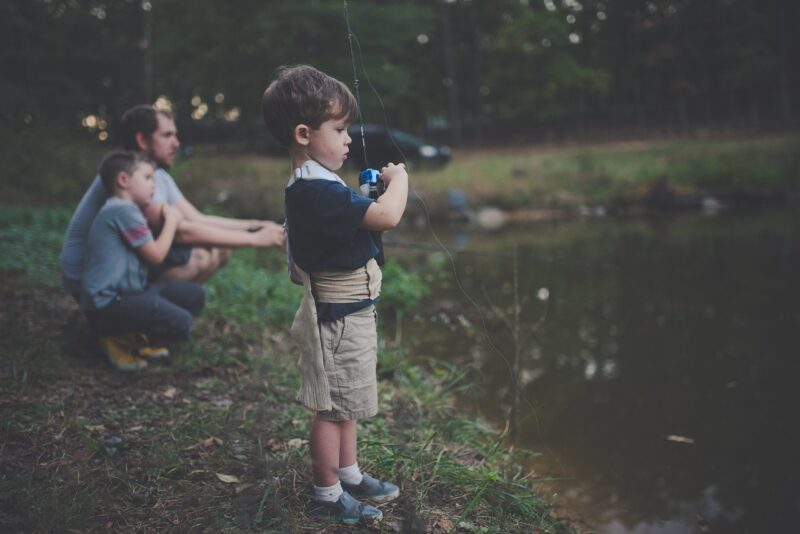
Other everyday tasks offer similar value. Fishing offers many of the benefits of farming. Cooking teaches maths, sequencing, and safety. A trip to the shops becomes a lesson in price comparison and decision-making. While you’re there, asking children to help with lists, read labels, or stick to a budget shows them how choices add up. When children are invited into these routines, they gain independence and learn how families work together to manage needs.
Storytelling, Role Play, and Safety Lessons
Stories help children think through challenges in a way that feels safe and manageable. Made-up tales at bedtime give space to explore kindness, honesty, and bravery. One character might need to return a toy they borrowed without asking. Another might feel left out and need to decide what to do next. Letting children guide the story builds empathy and shows you how they understand the situation.
Role play prepares children for real-life choices. You might act out a playground disagreement and switch roles to see how different choices feel. These practices help children build confidence and explore their voice before they need to use it in real situations.
Safety becomes easier to talk about when it’s built into these familiar activities. It’s important to know what to teach your child to keep them aware without creating fear. Some families use a password technique to help children know whom they can trust. If someone they don’t recognise says they were sent by Mum or Dad, they must know the special word before the child agrees to anything. This keeps the child from needing to guess based on how someone looks or acts. It also gives them a clear way to respond in confusing moments.
Regularly reviewing this approach through short, casual reminders helps children remember what to do and why it matters. Including these lessons in play and conversation helps children feel capable. They need to know they have options and support.
Life Lessons That Last
Life lessons stick best when they’re part of something shared, whether it’s a game played on a rainy afternoon, a tomato plant checked after school, a story told under the duvet or at the fishing pond.
While real-life experiences remain at the heart of meaningful learning, some families also choose to use light digital support to structure ideas or explore new topics. Platforms such as chalkie.ai can help parents outline simple activity plans or generate learning prompts that complement hands-on moments without replacing them. When used thoughtfully, these tools offer inspiration or gentle structure, leaving plenty of room for curiosity, conversation, and shared discovery.
Children learn when they feel trusted. They grow when they’re allowed to try, to mess up, and to fix things in a space where love and guidance are always nearby. Play, routine, and reflection give children the tools to understand their world and the people in it.
Whether you’re preparing dinner, planting seeds, or practising how to say no with confidence, the goal stays the same. Show your child they have a place in the world and a part to play in it. The lessons they carry with them will come from what you’ve done together in a meaningful fashion.
Discover more from Hello MrsShilts
Subscribe to get the latest posts sent to your email.