Collaborative Feature
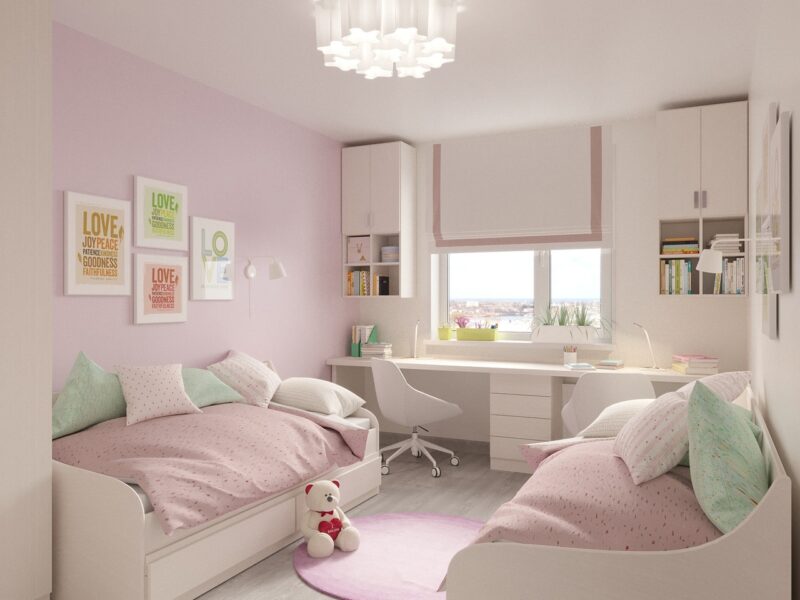
Designing the children’s room is an exciting and fulfilling task for parents. It reflects their love and cares for their children and is a chance to create a special place for them to grow, learn, and play.
Taking the time to design a child’s room is crucial. A well-designed space can provide a sense of security and comfort to a child, helping them feel safe and content in their surroundings. It can also help to foster creativity, imagination, and learning, providing a space that inspires and encourages them to explore and discover.
Moreover, a child’s room should be designed to accommodate their needs as they grow and change. Therefore, it is important to consider a room’s functionality to ensure that it can be easily adapted and modified as the child grows. This article highlights five excellent ideas for designing your children’s room.
Install a Standalone Bath
Installing a standalone bath adds a touch of luxury, providing a fun and relaxing way for your child to unwind. A standalone bath is also a practical addition to a children’s room. It provides a dedicated space for bath time, making it easy to keep the rest of the room clean and dry. Plus, it’s a great way to teach your child good hygiene habits as they learn to care for themselves in their own space.
The options are endless when choosing a standalone bath for your child’s room. If you’re looking for inspiration, visit Letta London’s website. Here, you’ll find a range of stunning standalone baths perfect for a children’s room. Whether you’re looking for something classic and timeless or sleek and modern, you will find the ideal stand alone bath on this website.
Use Bright Colours to Build Play Areas
Bright colors have a magical quality that instantly uplifts a space, making it lovely, fun, and inviting. Children, in particular, are drawn to bold and playful colours that stimulate their senses and encourage them to explore and play. By using bright colors to build play areas, you can create a space that is not only functional but also a feast for the eyes.
A bright-colored play area can be as simple or complex as you desire. For younger children, a bright and colorful foam mat is perfect for a soft play area. Adding a tent in bold colors can create a cozy reading nook where they can immerse themselves in their favorite stories. For older children, incorporating brightly colored furniture such as bean bags, chairs, and tables can create a fun and functional space for homework, crafts, or even chess.
Use Their Items as Decor
One great way to make your children’s room more personal is to use their stuff as decor. Not only does it add a personal touch to the room, but it also helps to keep the space organized.
For example, a colorful array of stuffed animals can be arranged on a shelf to create a playful and inviting display. Or, their artwork can be framed and hung on the walls, showcasing their creativity and adding a personal touch to the room.
Another great idea is to use their toys as decorative elements. For instance, a row of toy cars can be lined up on a shelf to create a fun and dynamic display or a collection of dolls can be arranged in a whimsical scene. Books and magazines can also be used as decor items. You can display their favourite books on a shelf or stack them on a side table.
Set Up a Quiet Space for Study and Learning
A quiet space for study and learning is an excellent idea for a child’s room. It can be a designated area where they can focus and concentrate on their academic work. The space should be set up to promote productivity and concentration with minimal distractions.
Lighting is an important element to consider, as it can significantly impact a child’s ability to study effectively. The space should be well-lit, with bright lights or lamps for reading and writing. At the same time, it’s important to avoid harsh, fluorescent lighting that can be distracting and uncomfortable.
In addition, the furniture and decor in the space should be carefully chosen to promote productivity and focus. A comfortable chair and desk are essential, as well as plenty of storage for books, papers, and other study materials.
Be Creative With the Lights and Ceilings
For your children’s room, consider painting the ceiling a bright, bold color to make the whole room feel more cheerful and lively. Or, if you’re feeling adventurous, try a mural or a decal that extends onto the ceiling. A starry night sky or a canopy of trees will transport your child’s imagination to another world.
For the lights, one of the simplest but most effective ideas is to install dimmer switches on the main overhead lights. This will allow you to adjust the brightness level depending on the time of day or your child’s activity. For example, you can turn the lights down low for a cozy bedtime story or turn them up bright for a dress-up game.
Conclusion
Designing a children’s room can be a fun and rewarding experience for parents and children. By implementing the five ideas discussed in this article, you can create a functional and visually appealing space.
However, it’s essential to keep safety in mind throughout the design process. Ensuring the furniture is sturdy, avoiding minor choking hazards, and properly securing cords and electrical outlets are just a few safety considerations. With these precautions taken, you can design a room that sparks your child’s imagination and keeps them safe and secure.
Discover more from Hello MrsShilts
Subscribe to get the latest posts sent to your email.