A collaborative post
Buying white paint should be easy. It should be a case of popping to B&Q, Homebase etc. and being able to pick the first deal you see. So why in heavens do shops have a hundred and one different white paints to choose from? It’s enough to make you throw a tantrum in the middle of the paint aisle.
If you’re getting ready to do some decorating at home (maybe you’re about to future proof your loft) and know for a fact you’ll need some white paint, here is everything you need to know to avoid confusion.

Understanding what “brilliant” means
Let’s start with a biggie first. Hands up if you honestly have no clue why brilliant white paint is called brilliant? It is because it’s easy to use? Can it stay white for the longest time? Does it simply look brilliant?
It’s a bit of all the above. Brilliant white is as white as you can get. Some people like to say that “it is whiter than white”, but that sounds like something of a misnomer. Brilliant white paints tend to lack any deep pigmentation in paint’s resins. (I recommend you check out The Paint Shed for some great deals on brand name brilliant whites). This means that it is completely matt and doesn’t let light shine on it, making it best to use in rooms where you want the walls and ceiling to be white without any glare or sheen.
Understanding your sheen
Now that you know what brilliant means, what sheen do you need from white paint? Are you looking for something which sits on the walls and looks white but dull, or do you want glossy white paint which reflects anything that hits it?
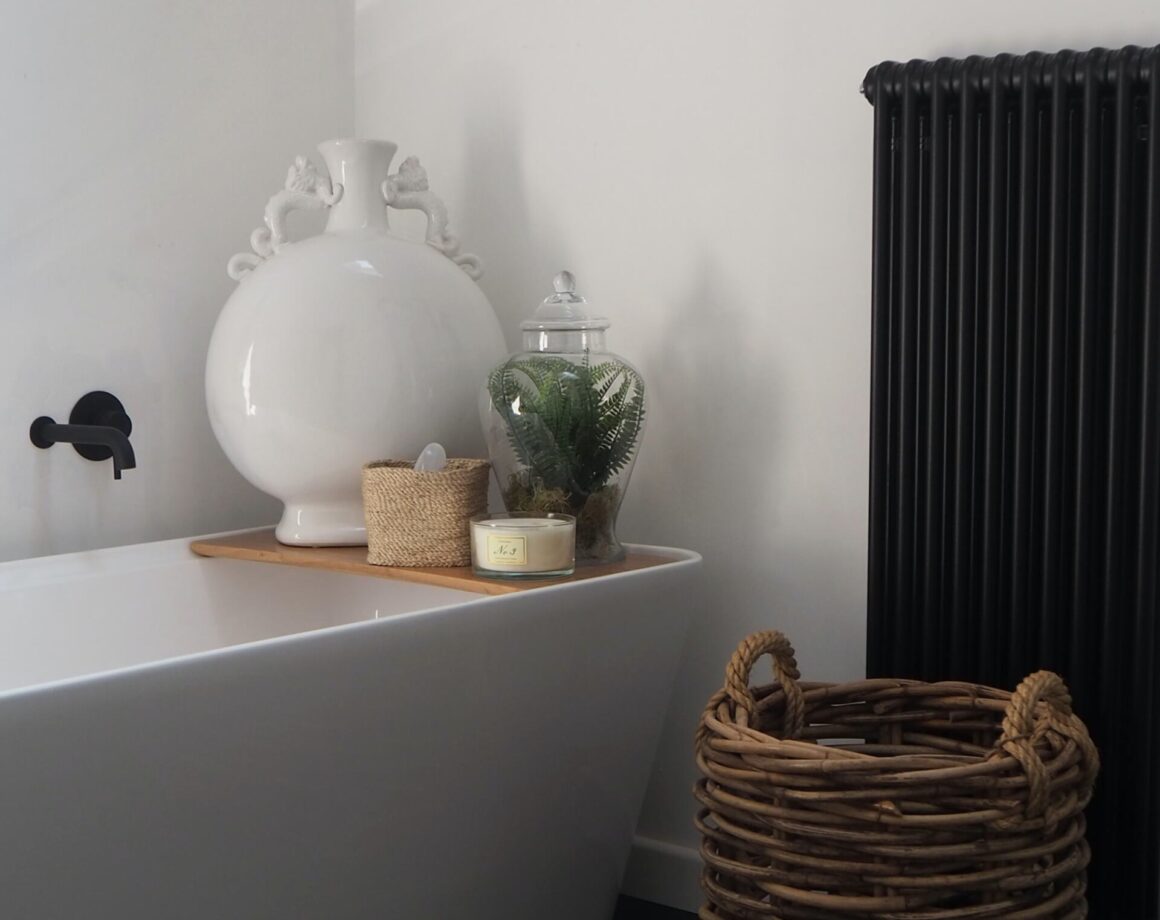
People often trip up when choosing the ideal paint type because it is easy to get overwhelmed by choice. What does eggshell do that matt can’t? Where does satin fit in the mix? Going from a flat like brilliant white all the way to glossy as can be, this is the general order that white paint sheens fall within:
- Flat
- Matte
- Eggshell
- Satin
- Semi-gloss
- High-Gloss
If you plan on painting walls and ceilings white, anything satin and below is the way to go. If you have a room where there’s a lot of moisture, or you need to clean stains off paint, semi-gloss is a safe bet. You only ever use high-gloss when you’re painting woodwork, trim like windowsills and your skirting boards. Use high-gloss on your living room, and you’ll have walls and ceilings that shine like the inside of a chocolate wrapper.
Understanding why you need an undercoat
You lift a tin of white paint, and it says right there on the can that it provides a high degree of opacity. That means it will help cover over existing paint, right?
Yes, but only to an extent. Remember what I said about brilliant white not having a great level of pigmentation? That doesn’t mean it lacks pigment. Look for white paints, which are advertised as having a good level of titanium dioxide. It is a white powdered pigment that stops paint from absorbing light and gives better opacity.
Anytime you are painting over old coats, be they the deepest darkest reds or calmest blues, you always risk some bleeding. That’s where the old paint is ever so slightly visible. You can combat it by choosing paints on the low end of the gloss scale and using a decent undercoat on the wall. Using an undercoat/ primer will help give your new paint something to bond to and help the paint settle so that bleeding can’t occur.
Understanding how to paint when working from home
Thanks for reading. If your office is currently the dining room table or box bedroom, and you think it’s time to invest in a proper home office, make sure you read this great guide on the best paint colours for a home office. You can even use some of the tips here to help make it easier to find the right paint.
Discover more from Hello MrsShilts
Subscribe to get the latest posts sent to your email.