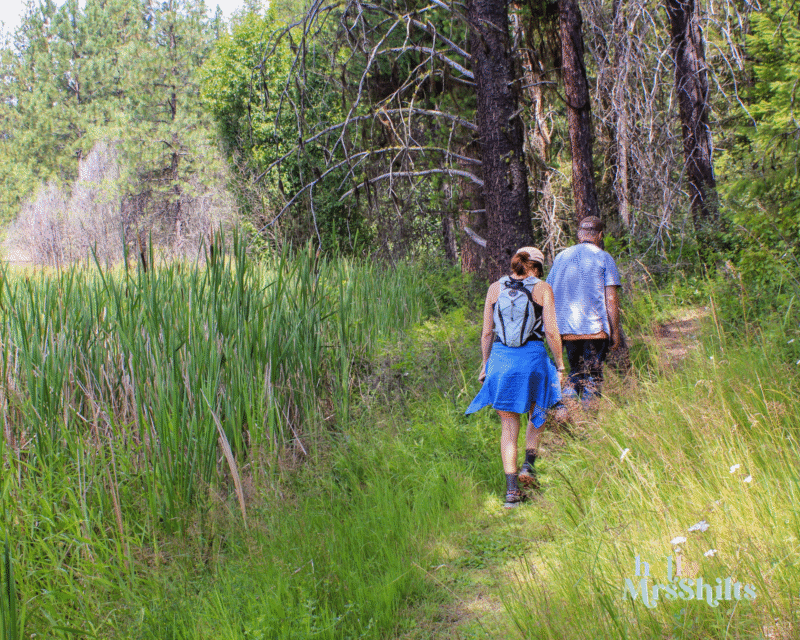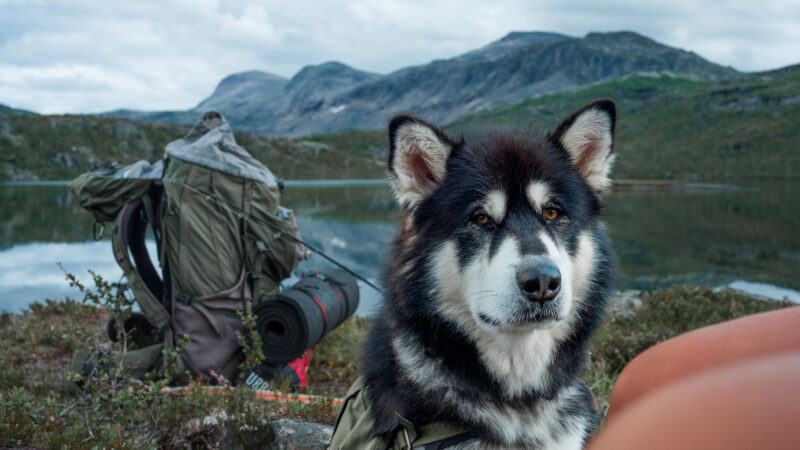
Everything in a daypack is a negotiation with weight. Water is non-negotiable, food for yourself is non-negotiable, and then there’s the question of what the dog eats across six hours of walking, which most people solve badly with whatever biscuits were in the cupboard.
That question is worth taking seriously. The National Park Service’s guidance on hiking with pets advises bringing extra water and packing a light snack for your dog, noting they’ll enjoy having a treat with you at a resting point on the trail. Freeze-dried products fit that brief better than almost anything else, for reasons that come down to physics rather than marketing. Hikers across the USA have worked this out largely by trial and error.
Here’s why they suit the trail specifically.
Removing Water Removes Most of the Weight
Freeze-drying takes moisture out of a product while leaving its structure intact, which is why a piece of freeze-dried meat weighs a fraction of what it did fresh while remaining recognisably the same thing. Water makes up a substantial share of most fresh treats, so removing it strips away the bulk of the weight without changing what’s actually being carried.
For a pack that’s the whole argument. A day’s worth of high-value treats occupies a small pouch and adds almost nothing to what you’re carrying, which matters on a long day and matters more on an overnight. It’s the same reason human hikers carry dehydrated meals rather than fresh food, applied to the other members of the party.
Shelf Stability Removes the Cooling Problem
Anything requiring refrigeration is impractical on a trail, and that rules out most high-value rewards. Freeze-dried products remain stable at ambient temperature, which means they can live in a pack indefinitely rather than being packed fresh each time, sitting through heat, cold, and everything in between without spoiling or losing potency as a reward.
The practical benefit is that a pouch can stay in the daypack permanently and be ready whenever you are. That reliability matters for spontaneous outings, since the treats you’d take are already packed rather than being something to remember on the way out, removing one more thing to think about on a morning when getting out the door quickly is the whole point.
High Palatability Matters More on a Trail Than at Home
Recall matters differently outdoors. A dog distracted by wildlife, other walkers, or an interesting smell needs a reward compelling enough to compete, and ordinary biscuits frequently aren’t. A treat that works reliably in the kitchen can fail completely against the pull of a squirrel or an interesting scent trail, which is exactly the moment recall matters most. Because freeze-drying preserves aroma and flavour rather than cooking it off, freeze dried treats for dogs tend to hold attention in situations where lower-value rewards don’t.
Popular brands including Bully Bunches produce single-ingredient freeze-dried options across different proteins, which is worth knowing if your dog has a preference or a sensitivity that narrows what’s usable as a high-value reward. Having a genuinely irresistible option on hand, rather than hoping a generic treat will do the job, is often what makes the difference between a reliable recall and a frustrating chase.
Small Pieces Suit Frequent Rewarding
Trail training involves rewarding frequently rather than substantially. Recall, leave it, and check-ins all benefit from many small reinforcements rather than a few large ones, since a dog learns faster from repeated, immediate feedback than from occasional larger rewards spaced further apart.
Freeze-dried pieces break easily into smaller portions, which means a single treat can serve several times. That matters for calorie management on a long day, since a dog receiving forty rewards on a hike is eating meaningfully if each one is full-size. Breaking them down keeps the frequency without the intake.
Less Mess Makes Freeze-Dried Treats Easier to Use Outdoors
Anything greasy becomes a problem in a pack. Soft treats leave residue on your hands, transfer to whatever they’re stored next to, and attract attention from insects and wildlife you’d rather not involve. Freeze-dried pieces are dry throughout, which means they don’t smear, don’t soak through packaging, and don’t leave your fingers needing attention every time you reward the dog.
That matters more on a trail than at home because you’re handling food repeatedly across hours with no way to wash properly. Dry treats also don’t degrade in heat the way anything with fat content does, so a pouch that spent the afternoon in a warm pack is still usable rather than being something you’d rather not reach into. The trade-off is brittleness, since dry pieces crumble under pressure, which is worth managing with a rigid container rather than a soft pocket.
Choosing Treats That Match Your Dog’s Activity and Dietary Needs
Not every dog needs the same thing from a trail snack, and a few factors determine what actually suits yours:
- Activity level: a working breed covering fifteen miles has different fuelling needs than an older dog on a gentle two-hour walk
- Protein source: single-ingredient products make it straightforward to avoid whatever causes problems for a sensitive dog
- Reward frequency: count how many you’ll realistically hand out across a day, since forty small rewards add up
- Daily calorie budget: trail treats come out of total intake rather than sitting outside it
- Existing health conditions: kidney or liver issues may mean protein needs are restricted, whatever the treat’s other merits
That last point is a conversation with a vet rather than a judgment call made in a shop, and it’s worth having before a long day out rather than after.
Final Thoughts
The case for these on a trail is straightforward: they’re light, they don’t need cooling, they hold a dog’s attention when it matters, and they break down small enough to reward frequently without overfeeding. That combination is genuinely hard to find in anything else you’d carry.
What they do ask in return is slightly more careful handling than a baked biscuit, particularly with raw products where CDC guidance is clear that freeze-drying reduces rather than eliminates pathogens. Carry sanitizer, keep it in its own container, and check whether what you’ve bought is raw or cooked. Do that, and they’re about as close to a purpose-built trail snack as exists.
Discover more from Hello MrsShilts
Subscribe to get the latest posts sent to your email.