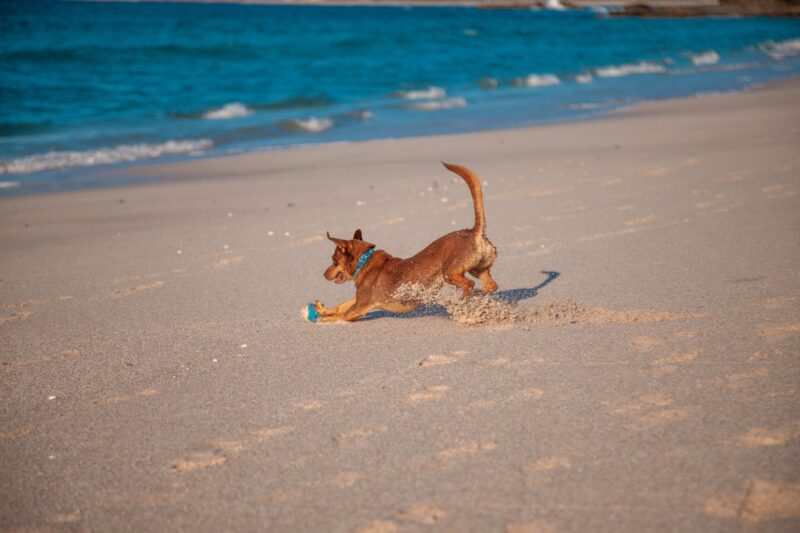
Watching your family dog grow older can be bittersweet. The energetic puppy that once raced around the garden and eagerly chased every ball may now prefer a slower pace. While some changes are a natural part of ageing, staying active remains one of the best ways to help senior dogs enjoy a happy, comfortable life.
Regular movement supports mobility, helps maintain a healthy weight, keeps muscles stronger, and provides valuable mental stimulation. The key is recognising that older dogs have different needs than younger ones. Rather than expecting them to keep up with the same routines, it’s about adapting activities to suit their changing abilities.
With a few thoughtful adjustments, you can help your dog stay engaged, active, and part of family life for many years to come.
Understand What Changes With Age
Every dog ages differently. Larger breeds often show signs of ageing earlier than smaller breeds, while genetics, previous injuries, and overall health all influence how active a dog can comfortably be.
Some common signs that your dog may be slowing down include:
- Taking longer to stand up after resting
- Hesitating before climbing stairs or jumping into the car
- Shorter bursts of energy during walks
- Stiffness after exercise
- Sleeping more throughout the day
These changes don’t necessarily mean your dog should stop exercising. Instead, they signal that it’s time to adapt your routine. Gentle, consistent activity is usually much more beneficial than long periods of rest followed by intense exercise.
Pay close attention to your dog’s body language. If they seem reluctant to continue, begin limping, or appear unusually tired after activity, it’s worth adjusting the pace or speaking with your veterinarian.
Adapt Daily Walks Instead of Skipping Them
Walks remain one of the most important parts of a senior dog’s day. They provide physical exercise, opportunities to explore new scents, and valuable social interaction.
Rather than focusing on distance, focus on comfort and enjoyment. Consider making a few simple changes:
- Walk during cooler parts of the day when temperatures are more comfortable.
- Choose softer surfaces such as grass or woodland paths where possible.
- Slow your pace and allow plenty of time for sniffing.
- Take several shorter walks instead of one long outing.
- Bring water if you’re heading out for more than a brief stroll.
Many older dogs enjoy routine, so maintaining regular walking times can also provide reassurance and mental stimulation.
Support Joint Health Alongside Exercise
As dogs age, their joints naturally experience more wear and tear. Supporting joint health alongside regular movement can help many dogs stay comfortable during daily activities.
A balanced diet, maintaining a healthy weight, and discussing appropriate supplements with your veterinarian can all form part of a long-term mobility plan. Some owners also choose science-backed, vet-formulated supplements designed specifically to support ageing joints.
For example, Pup Labs offers joint health products created to support mobility as part of a wider approach to canine wellness. When combined with suitable exercise and veterinary guidance, products like these may help older dogs remain active for longer. The goal is to support your dog’s comfort so they can continue enjoying everyday activities.
Keep Their Mind Active Too
Physical activity is only one piece of the puzzle. Mental stimulation becomes increasingly important as dogs grow older, particularly if they’re no longer able to exercise as intensely as they once did.
Simple activities can provide plenty of enrichment without putting extra strain on ageing joints. Try introducing:
- Puzzle feeders during mealtimes
- Gentle scent games around the house or garden
- Basic training sessions using familiar commands
- Slow treasure hunts with healthy treats
- Interactive toys that encourage problem-solving
Many senior dogs genuinely enjoy learning new routines. Short sessions lasting just a few minutes can provide meaningful mental exercise while strengthening the bond you share.
Make Your Home Easier to Navigate
Sometimes staying active starts at home. Small changes to your living space can make everyday movement safer and more comfortable for an older dog. You might consider:
- Placing non-slip rugs on slippery floors
- Providing supportive bedding in favourite resting spots
- Using ramps instead of steps where practical
- Raising food and water bowls for dogs with neck or back stiffness
- Keeping commonly used areas easy to access
These adjustments encourage dogs to move around confidently rather than avoiding activity because certain areas have become difficult to reach. It’s also worth keeping favourite toys accessible. Older dogs may still enjoy a gentle game of fetch or tug, provided the activity matches their energy level.
Know When to Slow Things Down
While encouraging activity is important, balance matters just as much. Some days your dog may simply need extra rest, especially after a more active outing. Watch for signs that they’re overdoing it, including:
- Excessive panting after light exercise
- Limping that persists after resting
- Difficulty standing later in the day
- Reluctance to walk the following morning
If these signs become frequent, consult your veterinarian to rule out underlying conditions and discuss adjustments to your dog’s exercise routine. Remember that activity doesn’t have to be strenuous to be beneficial. A gentle walk, some sniffing in the garden, or a few minutes of enrichment indoors can all contribute to your dog’s overall wellbeing.
Final Thoughts
Growing older doesn’t mean your family dog has to give up an active lifestyle. With thoughtful adjustments, regular low-impact exercise, mental enrichment, and attention to their changing needs, you can help them stay engaged and comfortable throughout their senior years.
Every dog is unique, so be prepared to adapt routines as they age. By focusing on consistency rather than intensity, you’ll continue creating enjoyable moments together while supporting your dog’s health and quality of life we
Discover more from Hello MrsShilts
Subscribe to get the latest posts sent to your email.