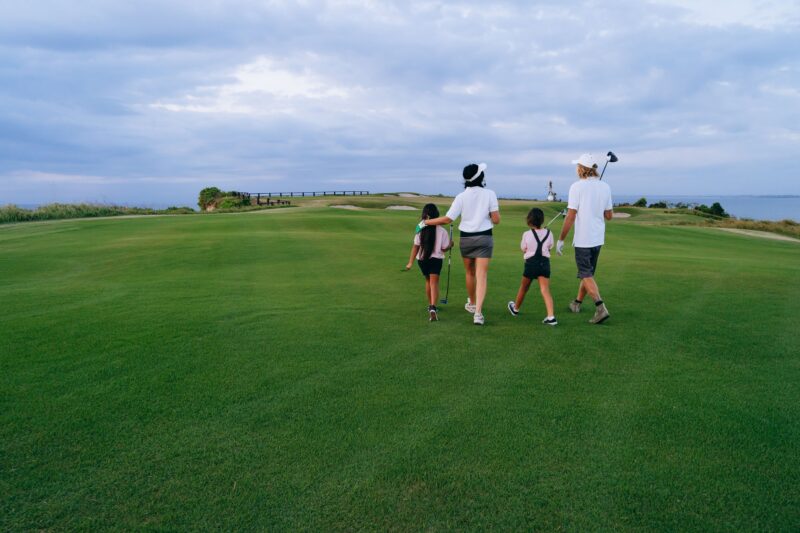
Golf has a reputation for being the preserve of well-off retirees in questionable jumpers, which is a shame, because it is one of the friendliest sports you can share with your children. The problem most parents run into is the assumption that it costs a fortune before you have even set foot on a course. It does not have to. With a bit of planning, you can get your kids swinging happily without remortgaging the house.
Why golf is worth the effort for younger players
Before spending a penny, it’s worth knowing why golf is such a lovely sport for children in the first place. It gets them outside, away from screens, and moving at their own pace, which is a rare combination these days. There’s no bench to sit on and no substitutions, so every child who turns up gets to play the whole time.
The wider benefits are backed by a fair bit of research, too. The Golf and Health Project, which draws on a major review, links regular play to better physical health, improved confidence, and lower anxiety. For children specifically, it encourages patience, focus, and a bit of resilience when a shot doesn’t go to plan, which are handy life skills wherever they end up.
It also fits neatly into the way we already like to spend weekends. We’re big fans of getting outdoors as a family whenever the weather allows, and golf slots into that beautifully. A driving range session or a few holes on a pitch-and-putt course makes for a proper couple of hours of fresh air and gentle exercise for everyone, not just the kids.
Sorting out the equipment without spending a fortune
Equipment is where most parents freeze. A quick look at the price of new clubs is enough to put anyone off, and it feels reckless to spend hundreds of pounds on a hobby your child might abandon within a fortnight. This is the same hurdle families hit with plenty of other pursuits, and it is worth remembering how quickly the interest can fade.
Golf is no different. Buying brand-new clubs for a child who is still working out whether they enjoy the game rarely makes sense, which is why so many parents start them off with a reliable set of used irons that costs a fraction of the retail price. Children grow out of clubs almost as fast as school shoes, so paying full price for something they will outgrow in a season is money you will not see again.
A sensible starter kit for a younger player does not need much at all:
- Small half set, or even just a 7-iron, a wedge, and a putter to begin
- Lightweight junior bag, they can actually carry themselves
- A handful of second-hand balls, because plenty will end up in hedges
- Cheap gloves and a cap, and that is honestly enough
Skip the gadgets, the rangefinders, and the matching outfits for now. The gear that matters is whatever gets them swinging comfortably, and almost all of it can be bought used in good condition.
Finding cheap and free ways to play and learn
Once they have something to swing, the next worry is where to actually play without signing up to a pricey club. The good news is that grassroots golf in Britain has become far more welcoming to families than it used to be.
England Golf runs a dedicated junior golf section that helps you find junior-friendly clubs and starter sessions near you, many of which are designed to be low-cost or free for first-timers. It is the sensible first stop for finding somewhere local that actually wants children to turn up.
Charities have made a real difference here, too. The Golf Foundation introduces around a quarter of a million young people to the game every year through schools and community programs, which means plenty of kids get their first taste of golf without their parents paying a penny for it.
Beyond the formal schemes, there are cheaper ways to rack up practice:
- Driving ranges, where a bucket of balls costs a few pounds, and nobody minds a beginner
- Pitch and putt or par-3 courses, which are shorter, cheaper, and far less intimidating
- Adventure or crazy golf, which sounds silly but builds putting confidence and keeps it fun
- Family or junior memberships, which many clubs now offer at a fraction of the adult rate
Mixing free sessions with the odd paid range visit keeps the whole thing affordable while your child works out how keen they really are.
Keeping it fun so the habit sticks
The fastest way to put a child off golf is to treat it like a coaching camp. At this age, the goal is enjoyment, not a lower handicap, and the budget-friendly approach actually helps here because there is no expensive membership hanging over you, making every session feel like it has to count.
Fold golf into the wider mix of things you already do outdoors rather than making it a standalone commitment. A round of pitch and putt slots nicely alongside the sort of days out in our roundup of the best outdoor activities to try on your next UK family break, and treating it as one option among many takes the pressure off everyone.
It helps to remember why you are bothering in the first place. The NHS recommends that children and young people aged 5 to 18 get an average of at least 60 minutes of activity a day, and a few hours walking around the course chasing a ball does a lot of that work without anyone noticing they are exercising Keep the sessions short, praise the good shots, ignore the tantrums over the bad ones, and let them stop while they are still enjoying it.
Get that balance right, and golf stops being an expensive grown-up sport and becomes something your children ask to do again. That is worth far more than any shiny set of clubs.
Discover more from Hello MrsShilts
Subscribe to get the latest posts sent to your email.