Guest Post
Think about the joy of coming home to a dog. That wagging tail, those happy barks – they make your day, right? Our furry friends bring so much fun into our lives, but let’s not forget that they rely on us a lot, especially regarding their health. Like us, dogs can have their days off, feeling poorly or under the weather. It’s up to us, their loyal human pals, to keep an eye out and make sure they stay as chipper and healthy as they make us feel. After all, it’s the least we can do for our four-legged friends who give us so much love and laughter, isn’t it?
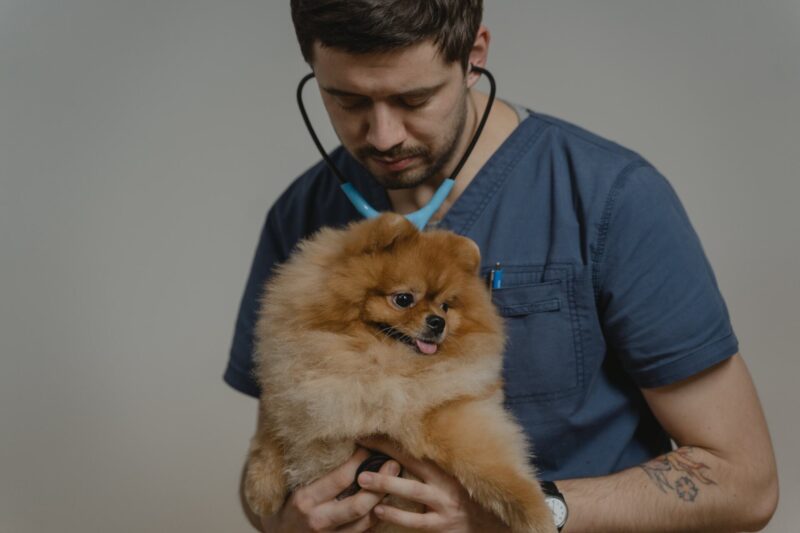
Common Canine Diseases
Being aware of common dog ailments helps in early detection and effective management, ensuring our furry friends stay healthy and happy. Here are some health conditions to keep an eye on.
Rabies
A deadly virus affecting the brain and spinal cord, rabies is most commonly transmitted through bites from infected animals. Rabies can be fatal once symptoms appear, but it is preventable through vaccination. Early signs include fever and changes in behavior, progressing to more severe symptoms like paralysis and aggression.
Canine Distemper
A serious viral illness, canine distemper affects a dog’s respiratory, gastrointestinal, and nervous systems. Symptoms include fever, nasal discharge, coughing, lethargy, reduced appetite, and in severe cases, seizures and muscle twitches.
Kennel Cough
Kennel cough is a highly contagious respiratory disease, characterized by a harsh, hacking cough. It is caused by various viruses and bacteria, including Bordetella bronchiseptica. Although it’s typically not serious, it can lead to more severe conditions in puppies and immunocompromised dogs.
Hip Dysplasia
Prevalent in larger breeds, hip dysplasia is a hereditary condition where the hip joint doesn’t fit properly, leading to arthritis and pain. Signs include difficulty in rising, lameness in the hind legs, and reluctance to run or jump.
Heartworm Disease
Caused by parasitic worms transmitted through mosquito bites, this disease can damage the heart and lungs if left untreated. Early symptoms are often subtle, such as a mild persistent cough, lethargy, and reduced appetite, but can progress to severe health issues.
Canine Parvovirus
A highly contagious and often severe viral illness, Canine Parvovirus is particularly dangerous for puppies. Symptoms include severe vomiting, diarrhea, and loss of appetite. Immediate veterinary care is essential upon noticing these signs.
Preventive Care and Early Detection

Before looking for family dogs to bring home, make sure you have the time and effort to address their health needs. A proactive approach is necessary to implement preventive measures and catch the issues early on.
Regular veterinary check-ups play a crucial role in identifying health issues before they become serious. These check-ups often include vaccinations, which are essential in preventing diseases like rabies, distemper, and kennel cough.
Aside from regular vet visits, being attentive to changes in your dog’s behavior or physical condition is vital. Early signs of illness can be subtle, such as changes in appetite, activity level, or unusual behaviors. Paying attention to canine emotions is also vital. Recognizing these signs early on can lead to quicker diagnosis and treatment, greatly improving the chances of recovery.
It’s also crucial to pay attention to your dog’s environment, which means making your home pet-friendly. Something as simple as a dehumidifier for your home can do wonders, potentially reducing the risk of certain diseases exacerbated by poor air quality. A well-maintained, clean, and safe environment goes a long way in keeping your canine companion healthy and free from preventable diseases.
Furthermore, ensuring your dog leads a healthy lifestyle is vital. This includes providing a balanced diet, ensuring regular exercise, and managing their weight. A healthy lifestyle not only helps in preventing diseases but also contributes to their overall well-being.
More so, platforms like Woof Whiskers – online resources for all dog breeds, can be invaluable. These resources offer insights into the specific needs of different dog breeds, helping make informed decisions about the right dog to bring into your family and how to care for them.
Wrapping Up
The health of our family dogs is a reflection of the care and attention we provide. From understanding common diseases like rabies, distemper, and kennel cough, to engaging in preventative measures such as regular vet check-ups and vaccinations, each step plays a crucial role in ensuring their well-being. By being informed and proactive in their care, we can ensure that our furry friends live long, healthy, and joyful lives as part of our families.
Discover more from Hello MrsShilts
Subscribe to get the latest posts sent to your email.