Antique mirrors have a special charm because they are beautifully made and have a rich history. Unlike modern mirrors, which are often made in factories, antique mirrors were crafted by hand, with detailed frames and glass that has aged in a unique way. Some have fancy gold decorations, while others have simple but classic designs. No matter the style, these mirrors add beauty and character to any room.
However, finding a real antique mirror can be tricky. Many new mirrors are made to look old, and some are even given a worn-out look on purpose. This makes it hard to tell if a mirror is truly from the past or just a copy. Without careful research, buyers might end up paying for something that only looks antique but isn’t actually a piece of history.
In this guide, the antiques dealers Westland London will explore the best places to source genuine antique mirrors, from reputable dealers and auction houses to estate sales and online marketplaces. It will also provide essential tips on identifying authentic mirrors, examining materials, craftsmanship, and signs of age.
Where to Look for Authentic Antique Mirrors
Finding a genuine antique mirror requires knowing where to search. While reproductions are common, there are several trusted sources where buyers can find authentic pieces, each offering unique advantages. From reputable antique dealers to auctions and estate sales, exploring the right markets increases the likelihood of discovering a true historical mirror.
Visiting Reputable Antique Shops and Dealers
Purchasing an antique mirror from a reputable shop or professional dealer is one of the most reliable ways to ensure authenticity. Established antique dealers have extensive knowledge of historical styles, craftsmanship, and materials, making them valuable resources for buyers looking for genuine pieces. Unlike online marketplaces or general furniture stores, antique shops curate their collections carefully, selecting mirrors that meet specific age and quality criteria.
One of the main advantages of buying from a professional dealer is the expert guidance they provide. Dealers can explain the provenance of a mirror, describe the materials used in its construction, and highlight any restorations or modifications it may have undergone.
Many dealers also belong to trade associations, such as the Antique Dealers’ Association (ADA) or the International Confederation of Art and Antique Dealers’ Associations (CINOA), which uphold ethical selling practices and authenticity standards.
To verify a dealer’s reputation, buyers should conduct thorough research. Reading customer reviews and testimonials can provide insight into past transactions and the dealer’s reliability. Seeking personal recommendations from collectors or interior designers can also lead buyers to trustworthy sellers. Additionally, visiting the shop in person allows buyers to examine the mirrors firsthand, ask detailed questions, and assess the overall credibility of the dealer.
While reputable antique dealers may price their items higher than other sources, their expertise and authentication processes add significant value to a purchase. Buyers can have confidence that they are investing in a true antique rather than a reproduction. Establishing a relationship with a knowledgeable dealer can also lead to access to exclusive pieces and valuable insights into the antique mirror market. For those looking for authenticity and expert assurance, purchasing from a reputable antique shop remains one of the best options.
Exploring Antique Fairs and Markets
Antique fairs, flea markets, and vintage expos are excellent places to find unique and authentic antique mirrors. These events bring together a wide range of sellers, offering buyers the opportunity to explore different styles, compare prices, and inspect pieces in person. Unlike online shopping, where details may be unclear, attending a fair or market allows buyers to closely examine a mirror’s craftsmanship, materials, and aging characteristics before making a purchase.
One of the main advantages of shopping at these events is the potential for negotiation. Many sellers expect some level of bargaining, and buyers who understand an item’s value can secure a fair price. Since antique fairs and flea markets often feature independent dealers and collectors, prices may be more flexible compared to established antique shops. Additionally, sellers are sometimes willing to share the history of a piece, providing insight into its provenance.
To make the most of an antique fair or market, buyers should research upcoming events in advance. Large antique fairs are held seasonally or annually in many cities and attract reputable dealers specializing in period antiques. Checking event websites, social media pages, and collector forums can help buyers identify the best fairs to attend.
When inspecting a mirror, it is important to distinguish genuine patina from artificial aging. Authentic antique mirrors often have slight imperfections in the glass, natural oxidation spots, and wear on the frame consistent with age. Reproductions may have uniform distressing, machine-cut frames, or artificially darkened glass to create an aged appearance. Asking sellers about a mirror’s history, previous restorations, and any available documentation can provide further assurance of authenticity.
Searching Auction Houses for Hidden Treasures
Auction houses are excellent sources for high-quality antique mirrors, often offering pieces with documented provenance and expert verification.
Unlike flea markets or online marketplaces, auctions provide a structured buying process, where many items have undergone professional appraisal. Established auction houses, such as Sotheby’s, Christie’s, and Bonhams, frequently feature antique mirrors from estates, historical properties, and private collections, ensuring a level of authenticity that can be difficult to find elsewhere.
To make the most of an auction, buyers should begin by researching upcoming sales. Many auction houses publish online catalogs weeks in advance, detailing available items along with descriptions, estimated values, and condition reports. These catalogs help buyers identify pieces of interest and determine whether a mirror aligns with their budget and aesthetic preferences.
Understanding the auction process is crucial before placing a bid. Buyers should familiarize themselves with bidding methods, whether in person, online, or via phone. Auctions often have buyer’s premiums—additional fees added to the final bid price—which should be factored into the budget. Attending a preview session, if available, allows buyers to inspect mirrors firsthand, checking for signs of authenticity such as hand-carved frames, aged patina, and period-appropriate materials.
When reviewing auction listings, buyers should pay attention to details that indicate authenticity. Mirrors with documented provenance, original backing, and natural aging signs are more likely to be genuine antiques. Sellers often provide condition reports, but buyers can request additional photographs or clarification if needed.
While auction prices can vary, they often reflect the true market value of a piece. With careful research and strategic bidding, buyers can acquire rare and valuable antique mirrors that are both authentic and historically significant. Auction houses remain a trusted source for those seeking distinctive and well-documented antique mirrors.
Discovering Antique Mirrors Online
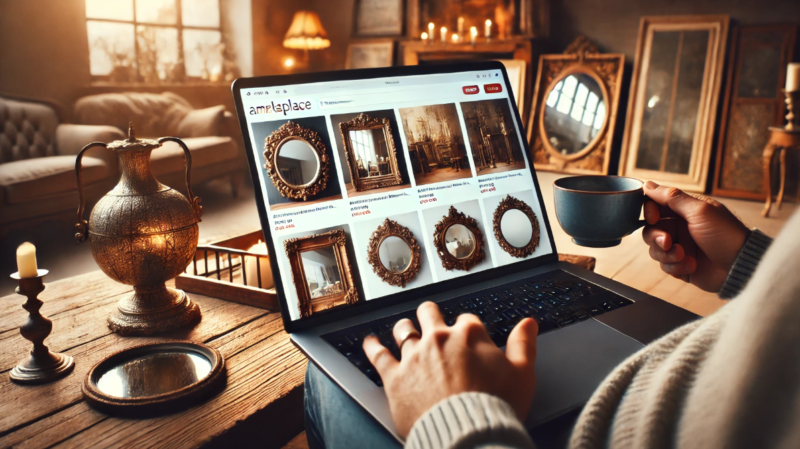
The internet has made it easier than ever to find antique mirrors from around the world. Online marketplaces, antique dealer websites, and specialty auction platforms provide access to a vast selection of mirrors from different historical periods, styles, and price ranges. Unlike physical stores or fairs, online shopping allows buyers to browse and compare pieces without geographical limitations. However, purchasing antiques online requires careful research to ensure authenticity and avoid reproductions.
Reputable online platforms such as Westland London are excellent sources for antique mirrors. These websites work with vetted sellers, antique dealers, and auction houses, offering curated selections that often include detailed descriptions and condition reports. Unlike general online marketplaces, these platforms specialize in antiques, making them more reliable for buyers seeking genuine pieces.
Before purchasing an antique mirror online, buyers should carefully evaluate the seller’s credibility. Checking seller ratings, reading customer reviews, and verifying how long they have been in business can provide insight into their reliability. Reputable sellers should be transparent about the mirror’s age, provenance, and any past restoration work.
Requesting high-resolution photos is essential when buying online. Close-up images of the glass, frame, and backing can help buyers assess authenticity. A true antique mirror may have slight waviness in the glass, oxidation spots, or wear that aligns with its age. The frame should show natural aging, such as minor cracks or patina, rather than uniform distressing, which is often artificially applied to reproductions.
Buyers should also carefully review return policies before making a purchase. Authentic antique mirrors can be expensive, and if the item does not match its description upon arrival, a clear return policy ensures that buyers are not stuck with an unsatisfactory purchase. Trusted platforms like 1stDibs and Ruby Lane typically offer buyer protection, but policies vary by seller.
To avoid counterfeit pieces, buyers should be wary of prices that seem too low for a genuine antique. Researching comparable mirrors and consulting with antique experts can help determine fair market value. While online shopping offers convenience and variety, taking the time to verify authenticity and seller credibility is essential to making a confident and informed purchase.
Finding Antique Mirrors at Estate Sales and House Clearances
Estate sales and house clearances can be excellent opportunities to find authentic antique mirrors at reasonable prices. Unlike commercial antique shops or online platforms, these sales often feature original period pieces that have remained in private homes for generations. Many of these mirrors have historical significance, unique craftsmanship, and genuine aging characteristics that make them highly desirable to collectors and interior designers.
One of the key advantages of estate sales is the potential to discover well-preserved antique mirrors that have not been altered or artificially aged. Since estate sales typically involve selling an entire household’s contents, buyers may come across a variety of antique furniture and décor, often at lower prices than those found in antique shops. Private house clearances, where families are downsizing or liquidating inherited estates, can also yield valuable finds.
To locate estate sales, buyers should regularly check local auction house listings, classified ads, and estate sale websites. Websites such as EstateSales.net and AuctionZip provide searchable listings of upcoming sales, including photos and descriptions of available items. Social media groups and community forums are also useful resources, as private sellers sometimes advertise estate clearances through local networks.
Arriving early at an estate sale increases the chances of finding high-quality pieces before they are sold. Buyers should inspect mirrors carefully, looking for signs of authenticity such as hand-carved frames, original backing materials, and naturally aged patina. Asking sellers about the mirror’s history can provide additional insight into its provenance.
Since prices at estate sales are often negotiable, buyers may be able to secure a good deal through polite bargaining. Establishing relationships with estate sale organizers and auctioneers can also lead to insider knowledge of upcoming sales with valuable antique mirrors. For those willing to explore and research, estate sales and house clearances remain one of the best sources for discovering unique and historically significant mirrors.
How to Identify Authentic Antique Mirrors

Distinguishing a genuine antique mirror from a reproduction requires a keen eye and knowledge of historical craftsmanship. Many modern mirrors are designed to look old, but true antiques exhibit unique characteristics that develop naturally over time. By examining the glass, frame, and overall construction, buyers can determine whether a mirror is truly an authentic period piece.
Examining the Glass and Patina
One of the most telling signs of an authentic antique mirror is the condition of its glass. Unlike modern mirrors, which are manufactured with precise uniformity, antique mirror glass often has slight waviness, subtle distortions, or small bubbles due to the older production methods used before the 20th century. These imperfections are natural and add character, distinguishing genuine antique mirrors from modern reproductions.
Aging also causes oxidation spots, commonly referred to as “foxing,” where the silver backing of the mirror has partially worn away, creating darkened patches or speckled patterns. This patina develops over decades and is difficult to replicate authentically. Many reproductions attempt to mimic this effect through artificial distressing, but these tend to appear too uniform or deliberately placed rather than naturally aged.
The mirror backing and silvering techniques used in different historical periods provide further clues to authenticity. In the 17th and 18th centuries, mercury silvering was a common method, where a tin and mercury mixture was applied to the back of the glass. These mirrors have a slightly soft, warm reflection compared to modern silver-backed glass. By the 19th century, the invention of chemical silvering introduced a more uniform and durable reflective surface, though early examples still show aging patterns that differ from contemporary coatings.
To verify authenticity, buyers should inspect the mirror from different angles and lighting conditions. Holding a light to the glass can reveal inconsistencies in thickness or small air bubbles—signs of early glassmaking techniques. The edges of antique mirror glass are often slightly irregular, while newer glass is typically machine-cut with smooth, precise edges.
Understanding Frame Materials and Craftsmanship
When assessing the authenticity of an antique mirror, the frame plays a crucial role in determining its age and value. Authentic period frames are often constructed from high-quality materials like solid wood, gilding, or plasterwork, which were favored for their durability and aesthetic appeal. The craftsmanship of these materials is a key indicator of a genuine antique mirror.
Solid wood frames are commonly used in antique mirrors, especially those from the 17th and 18th centuries. The wood is typically carved by hand, with intricate details reflecting the skill of the artisan. Over time, the natural aging process of the wood, including subtle cracks, patina, and discoloration, can further authenticate the mirror’s age. In contrast, modern reproductions often use plywood or MDF, which lack the same texture and signs of age.
Gilded frames, a hallmark of mirrors from the 18th and 19th centuries, are created by applying gold leaf to a wood base. The gold leaf is meticulously applied by hand, often with delicate burnishing, which gives the frame a soft, lustrous glow. Antique gilded mirrors will show signs of wear, such as fading or tarnishing, reflecting their history. Modern replicas, however, may use synthetic gold paint or thin layers of gold leaf that do not replicate the authenticity and depth found in older examples.
Plasterwork is another common feature of antique frames, especially in ornate designs from the Victorian and Rococo periods. The plaster moldings are hand-applied and can feature floral or geometric patterns. Over time, these plaster frames may develop cracks or small chips, which help distinguish them from newer, mass-produced versions made from lightweight, synthetic materials.
Checking for Originality and Provenance
Determining whether a mirror is an original antique or a modern reproduction requires a careful inspection of several key elements. Age-appropriate wear, maker’s marks, and historical provenance are essential factors in assessing the mirror’s authenticity.
One of the first steps is to examine the mirror’s wear and condition. Genuine antiques will typically show signs of age, such as minor scratches, discolouration, or patina on the frame and glass. The glass itself may display imperfections, like bubbles or waves, a characteristic of older manufacturing methods. Reproductions, on the other hand, often lack these natural signs of wear and may appear overly pristine or artificial.
Maker’s marks can also provide valuable clues about a mirror’s origin. These marks, often stamped or engraved into the frame, can reveal the identity of the artisan or manufacturer. Researching these marks can help confirm whether a mirror was crafted during the period it is claimed to represent. However, it is essential to note that not all antiques bear maker’s marks, as many artisans did not leave their signatures. In these cases, additional methods of verification must be used.
Provenance, or the documented history of a mirror, is another critical factor in determining its authenticity. Provenance can include receipts, ownership records, exhibition history, or references in catalogs.
When available, these documents provide evidence that the mirror has remained in the same family or institution over time. Buyers should always request documentation that can substantiate the mirror’s history. If a seller is unable to provide such records, the mirror’s authenticity may be called into question.
Conclusion
In conclusion, purchasing an antique mirror requires careful consideration and a keen eye for authenticity. Buyers should prioritize sourcing mirrors from reputable dealers who can provide reliable information about the piece’s history and craftsmanship. Understanding the methods of authentication, such as inspecting frame materials, wear patterns, maker’s marks, and provenance, is essential in distinguishing genuine antiques from modern reproductions.
It is crucial to take your time and conduct thorough research. Familiarize yourself with the characteristics of antique mirrors, and when in doubt, consult with experts or seek professional appraisals. Authenticating a mirror may require patience, but it is a necessary step in ensuring a valuable and genuine purchase. An authentic antique mirror is not merely an item for decoration; it is an investment in artistry, history, and timeless elegance. By making informed decisions, buyers can acquire pieces that not only enhance their spaces but also carry the story and craftsmanship of the past.
Discover more from Hello MrsShilts
Subscribe to get the latest posts sent to your email.