Collaborative Feature
Welcome to our guide on dash cam laws across the United States. Whether you’re a seasoned road warrior or just starting your journey, understanding the legalities surrounding dash cameras can be crucial for your peace of mind and safety. You might think it’s just a simple device recording your drives, but it’s more than that—it’s your witness on the road.
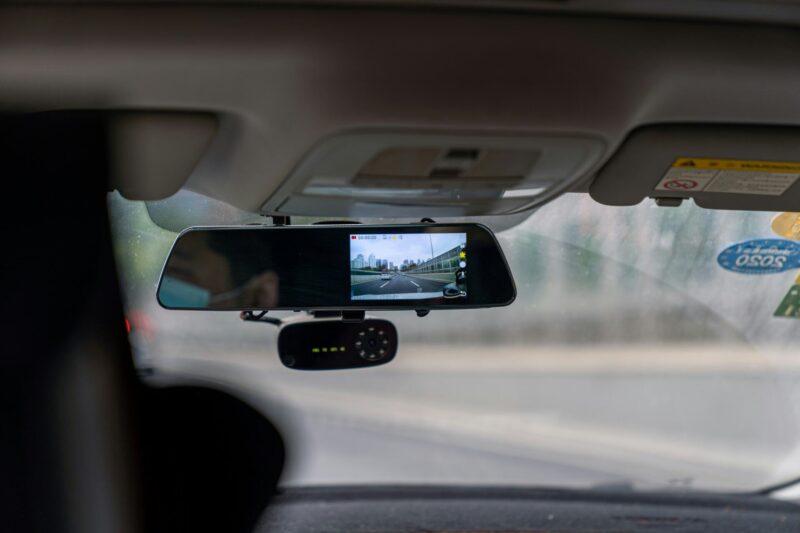
Navigating the Legal Landscape:
Dash cameras have become increasingly popular in recent years, offering drivers a sense of security and evidence in case of accidents or disputes. However, laws regarding their usage vary from state to state, and it’s essential to know where you stand legally. Let’s dive into the regulations governing dash cams in different parts of the country.
The Wild West:
In some states, the use of dash cameras is akin to the Wild West—you’re free to mount them and record your journeys without much restriction. Take Texas, for example. Here, you can install a dash cam without worrying about legal ramifications. It’s your right to protect yourself and your vehicle.
Anecdote:
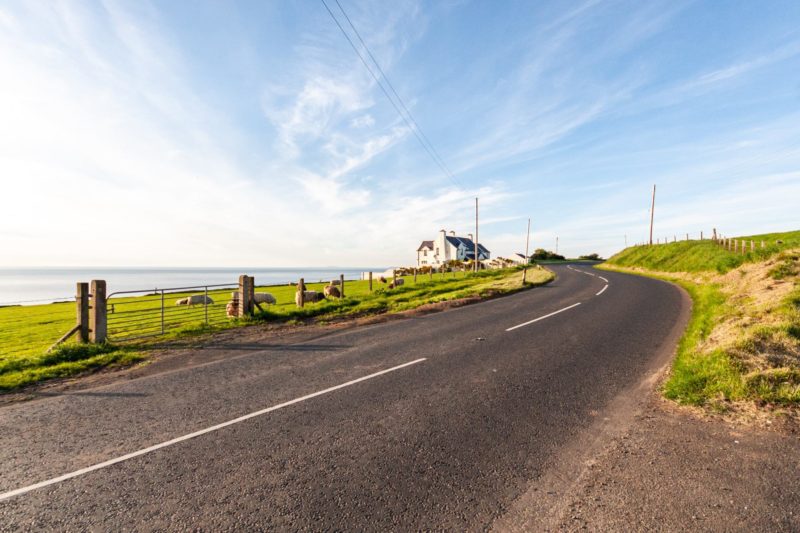
Picture this: You’re driving down a dusty road in Texas, the sun beating down on your windshield. Suddenly, a reckless driver swerves into your lane, narrowly missing your car. Thanks to your trusty dash camera, you capture the whole incident, providing irrefutable evidence if the situation escalates.
Navigating the Maze:
On the flip side, some states have more stringent regulations surrounding dash cams. In states like California, while it’s generally legal to use a dash cams, there are restrictions on where you can mount them. Placing a dash cam in a way that obstructs your view of the road can land you in hot water with the law.
Anecdote:
Imagine cruising down the Pacific Coast Highway, the salty breeze in your hair and the ocean stretching out before you. Suddenly, you notice flashing lights in your rearview mirror. As the officer approaches, they inform you that your dash cam placement violates California’s laws. It’s a lesson learned the hard way.
The Gray Areas:
Then there are states where the legality of dash cams falls into a gray area. New York, for instance, doesn’t have specific laws addressing dash cameras. While you can use one, certain privacy concerns may arise if you record audio without consent. It’s a delicate balance between safety and respecting others’ rights.
Anecdote:
You find yourself navigating the bustling streets of Manhattan, surrounded by the hustle and bustle of city life. Suddenly, a pedestrian steps out into the crosswalk, narrowly avoiding a collision with your vehicle. Your dash camera captures the heart-stopping moment, but you pause, unsure of the legal implications of sharing the footage.
Know Your Rights:
Regardless of where you reside, understanding your rights regarding dash cams is crucial. Familiarize yourself with local laws and regulations to ensure you’re using your dash camera responsibly and within the confines of the law. Remember, it’s not just about protecting yourself—it’s about being a responsible member of the driving community.
Anecdote:
You sit down with a cup of coffee, scrolling through forums and legal documents, determined to unravel the complexities of dash cam laws. Armed with knowledge, you feel empowered, knowing that you can navigate the roads confidently, with your trusty dash camera by your side.
Final Thoughts:
Dash cameras offer a sense of security and accountability on the road, but they come with legal considerations. By understanding the laws in your state and respecting others’ privacy, you can harness the benefits of dash cams while staying on the right side of the law. So, buckle up, hit the road, and let your dash camera be your silent witness to the journey ahead.
Discover more from Hello MrsShilts
Subscribe to get the latest posts sent to your email.