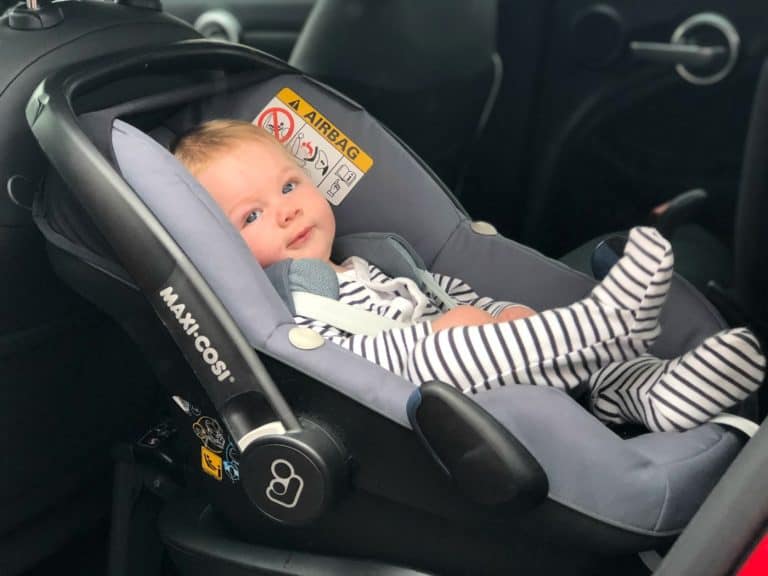
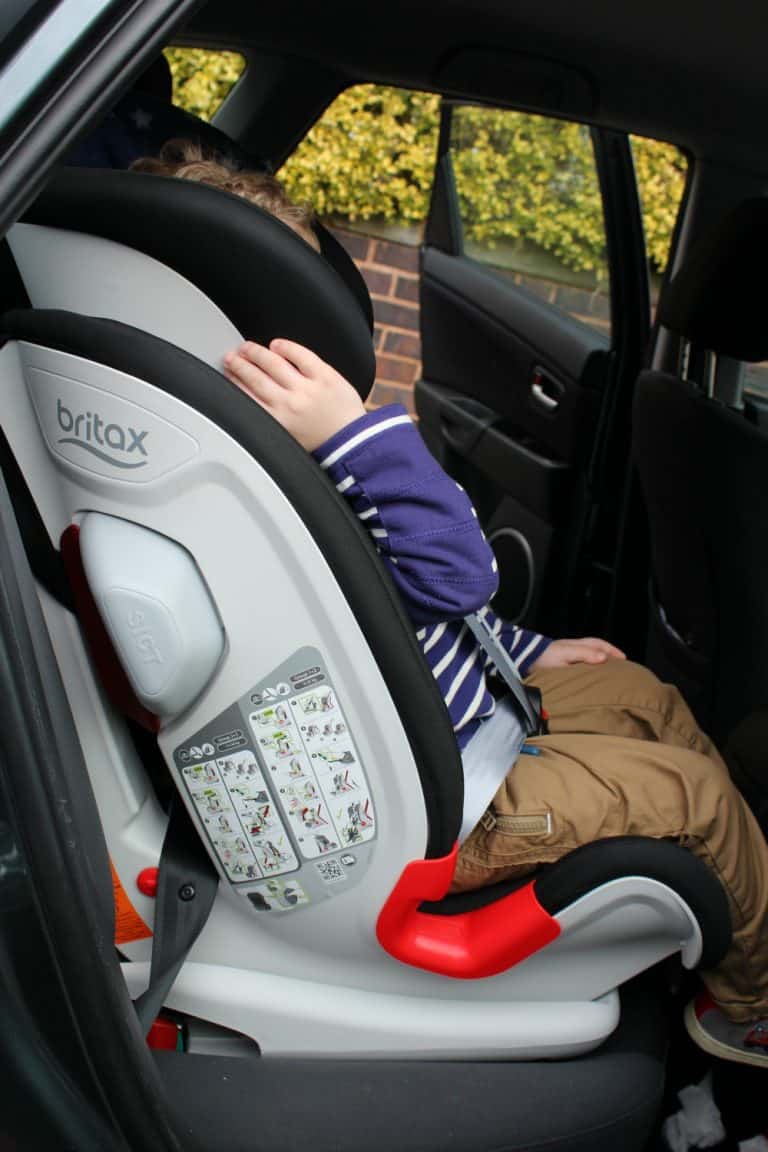
Several types of car seats are available for children, each designed to cater to a specific stage of development. This variety of options exists because children grow quickly, and each stage requires a different kind of seating arrangement to accommodate their needs.
Many mothers, whether new to parenting or experienced, can sometimes be confused by the wide range of available car seats. The confusion often stems from trying to match their child’s age, weight, and height with the right seat. This can be worrying since using the wrong seat can lead to discomfort for the child, and in some cases, improper use could affect the seat’s functionality.In this article, we’ll look at the different types of car seats and how they suit your child’s evolving needs.
Infant Car Seats: Perfect for Newborns
Infant or newborn baby car seats are designed to support babies from birth up to around 12 months. They’re rear-facing, wherein the seat is installed so the child faces the back of the car. In this position, the child’s entire body is cradled by the seat, which helps distribute the forces of sudden stops or impacts evenly across the neck, back, and head. This design provides extra comfort for the baby by keeping their body more supported and secure.
Infant car seats also have weight and height limits to ensure proper fit. These limits exist because babies grow at different rates, and a seat within those limits ensures the harness and padding are positioned correctly. If a baby exceeds the seat’s weight or height limit, it may no longer offer adequate protection or comfort.
Infant car seats should be stopped once your baby exceeds the weight or height limit specified by the manufacturer, typically around 12-15 months. Most infant car seats are designed for babies up to about 13 kg (29 lbs) or 75 cm (29.5 inches) in height. If your baby reaches these limits earlier, it’s time to transition them to a convertible car seat.
Convertible Car Seats: Growing with Your Child
Convertible car seats are designed to accommodate children as they grow, making them a long-term investment for parents. These seats are called “convertible” because they can switch between rear-facing for infants and forward-facing as the child ages. Like infant seats, the rear-facing functionality provides the same support for the developing head, neck, and spine.
As the child grows and becomes too large for the rear-facing position, the seat can be converted to a forward-facing position to accommodate their size better. This position allows for more legroom and a more upright seating position, which allows the child to move their legs and body more freely and sit more naturally and comfortably.
Another benefit of the forward-facing position is that it gives the child a better view of their surroundings. The position allows them to see out the front and side windows, helping to keep them entertained and stimulated during longer trips. This increased visibility benefits them since, as they grow, they become more curious and want to observe the world around them. This can also reduce restlessness, making the ride more pleasant for both the child and the parents.
Convertible seats should be stopped when your child reaches the maximum weight or height limit specified by the manufacturer for the forward-facing mode. Typically, convertible car seats can be used forward-facing until your child weighs around 30 kg (65 lbs) or reaches a height of approximately 125 cm (49 inches). However, the exact limits can vary depending on the model.
Booster Seats: Ideal for Older Children
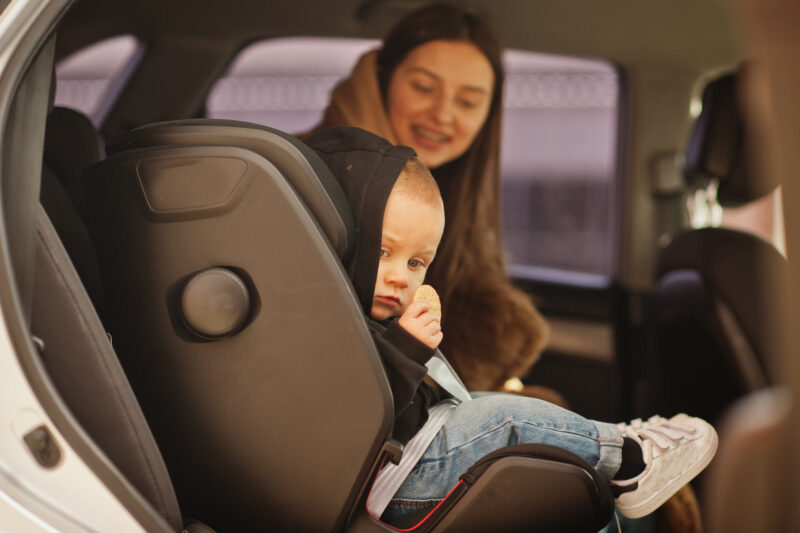
Booster seats are designed for older children who no longer fit in their forward-facing car seats but are not yet tall enough to use the vehicle’s seatbelt alone. These seats are called “booster” seats because they raise, or “boost,” the child’s height to ensure that the car’s seatbelt fits correctly across their body. Without this additional height, the seatbelt may sit improperly, potentially leading to discomfort and poor belt positioning.
Another benefit of booster seats is that they allow older children to sit more comfortably and naturally. Since booster seats raise the child to a proper height, they can sit upright with their legs at a more comfortable angle, reducing the chances of fidgeting or slouching during car rides. This added comfort can make long trips more enjoyable for the child and the parents.
Booster seats should be used until the child reaches a height of around 145 cm (4 feet 9 inches) or when they can sit with their back against the seat and their knees bend at the edge of the seat without slouching. At this point, the vehicle’s seat belt should fit correctly without needing a booster. When the seat belt fits snugly across the chest and hips without touching the neck or abdomen, it’s safe to stop using the booster seat.
Final Thoughts
Different car seats are available for children, and it’s important to choose one based on your child’s age, weight, and height. Always follow the manufacturer’s instructions to ensure proper use. If unsure, seek professional guidance to make the best choice for your child’s needs.
Discover more from Hello MrsShilts
Subscribe to get the latest posts sent to your email.