When picking educational toys, look for ones that fit your child’s age, interests, abilities, and developmental stage. The best toys do more than keep children busy. They can spark curiosity, encourage problem-solving, and support creativity and communication through play.
With so many choices available, it’s easy for parents to feel overwhelmed. Start by thinking about what children need at each age, then choose toys that challenge them without causing unnecessary frustration.
Why Educational Toys Matter for Child Development
Play is more than just fun for children. It is one of the ways they learn about the world. The American Academy of Pediatrics notes that play supports children’s cognitive, language, social, and emotional development.
Educational toys can give children structured opportunities to practise real skills. These may include problem-solving, fine motor coordination, language development, and creative thinking. Parents looking through toys at Mr Toys can use these developmental needs as a starting point, focusing on options that encourage active participation rather than simply providing entertainment.
The best toys give children room to experiment, make mistakes, and try again. Choosing a toy that suits your child’s age and abilities can help make new challenges feel manageable. Learning through play can also support skills such as attention, self-regulation, and flexible problem-solving.
Matching Toys to Your Child’s Age and Stage
One of the most useful principles in toy selection is matching the toy to the child’s developmental stage. A toy that is too simple may not hold a child’s interest, while ones that are too confusing can lead to frustration.
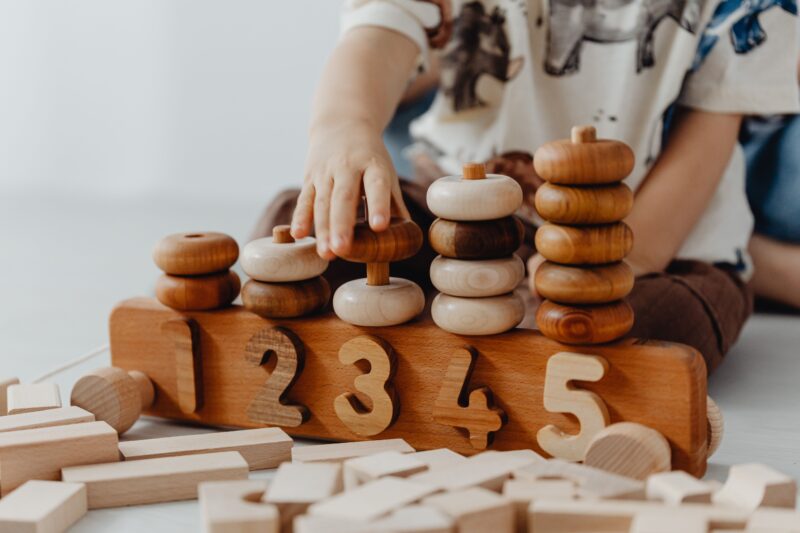
For babies and toddlers aged one to two, sensory toys, stacking rings, and simple musical instruments can help build motor skills and introduce cause-and-effect. Children aged three to five often enjoy puzzles, building blocks, and pretend play sets that encourage language and imagination.
Children aged six and older may be ready for more complex toys. Science kits, coding games, strategy board games, and art sets can encourage critical thinking and persistence. It is usually better to match these toys to your child’s abilities and interests rather than relying on age alone.
Developmental guidance can help parents understand which skills children are building at different stages. Using that as a reference can make it easier to choose toys that are challenging, suitable, and engaging.
Key Features to Look for in Educational Toys
Not every toy labelled “educational” automatically supports learning. It is worth looking at what the toy actually encourages your child to do.
Open-Ended Play Potential
Great educational toys can often be used in more than one way. Open-ended toys such as building blocks, clay, and loose parts do not have a single fixed purpose. Children can use them differently as they grow, which can keep the toys useful and interesting for longer.
Skill-Specific Focus
Choose toys that help your child practise a particular skill. Some toys support early maths, while others encourage spatial awareness, reading, or science. Knowing what your child already enjoys and where they may benefit from more practice can help you choose more thoughtfully.
Durability and Safety
Educational toys should also be durable enough for regular play. Good-quality materials can help toys last longer, especially open-ended ones used in different ways.
Always check age recommendations and safety warnings, particularly for younger children who may put toys or small parts in their mouths.
The Role of Technology in Modern Educational Toys
Digital and screen-based toys are increasingly common. Some digital toys can support learning when they are developmentally appropriate and encourage active participation, but educational claims should still be considered carefully.
The main question is whether the toy encourages your child to think, create, explore, or solve problems. Coding toys, for example, can encourage logical problem-solving and persistence.
Hands-on toys remain valuable because they can support fine motor skills, spatial reasoning, and real-world interaction. Digital play can complement these experiences when it is age-appropriate and does not replace active or social play.
How to Involve Children in the Selection Process
Children may be more engaged with toys that reflect interests they have shown themselves. This does not mean letting them choose based only on appearance. Instead, notice what genuinely holds their attention and use that information to guide your choices.
If your child loves animals, a wildlife science kit may appeal to them. If they enjoy building, open-ended construction sets or engineering toys may be a better fit. Matching toys to genuine interests can make play feel more meaningful.
Ask open-ended questions about what your child enjoys and watch what they choose during free play. These clues can be useful when deciding which toys are most likely to hold their interest.
Building a Toy Collection That Grows with Your Child
A well-rounded toy collection can support different areas of development. Aim for a mix of physical, creative, imaginative, and thinking toys that work well together. Rotating toys from time to time can also help keep play feeling fresh.
Choosing quality over quantity often works well. A smaller number of carefully chosen toys may be used more often and for longer than a large collection with little variety or purpose.
When you choose toys thoughtfully, you are doing more than filling playtime. You are giving your child opportunities to explore, practise new skills, and learn more about the world around them.
Discover more from Hello MrsShilts
Subscribe to get the latest posts sent to your email.