
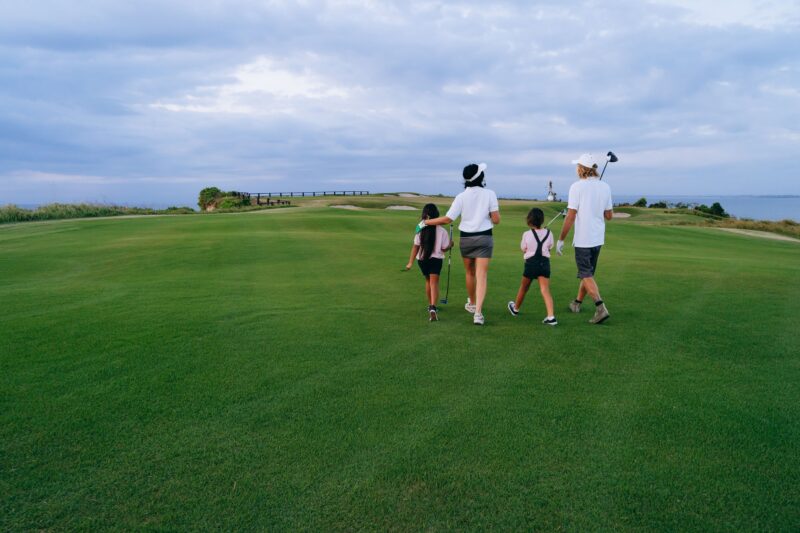
The six weeks of summer holidays always start with the best of intentions. Then somewhere, around week two, the novelty wears off, the tablet comes out, and I find myself refereeing squabbles over whose turn it is on the good sofa. If that feels familiar in your house, the garden can do a lot of the heavy lifting. Whatever the size, a bit of outdoor space is one of the easiest ways to keep little ones busy, moving, and worn out by bedtime.
Why a bit of garden time goes a long way
Children have a surprising amount of energy to burn, and most health experts agree they need a good hour of activity on most days to sleep well and stay healthy. That is a tall order during term time, so the summer holidays are the perfect chance to make up some ground.
There is a feel-good side to it as well. Natural England’s yearly survey of children found that 93% agreed that spending time in nature makes them very happy, and the garden is often the very first patch of the outdoors they get to explore. You do not need a sprawling lawn or fancy equipment either. Some of the best afternoons we have had involved nothing more than a bucket of water and a few chalk drawings on the patio.
Active games that get them moving
This is where a garden really earns its keep. A few simple games can turn a flat afternoon into a proper energy-burner, and most of them cost next to nothing to set up.
Obstacle courses are our reliable favourite. I raid the shed for anything safe to climb over, crawl under, or weave around: garden canes, hula hoops, and an old blanket for a finish line. The boys time each other and try to beat their own record, which keeps them going far longer than I expect. You can raise the bar as they improve, adding a hop across the patio or a lap of the lawn between the obstacles.
For a slightly calmer option, a mini-garden golf course is brilliant for older kids and grown-ups alike. We mark out a few holes using plastic cups sunk into the ground or upturned flower pots, then take turns putting. If your family gets properly hooked, laying down some artificial grass for a garden golf setup gives you a smooth, all-weather surface to chip and putt on without churning up the lawn or waiting for the ground to dry out after rain. It is one of those things that starts as a bit of holiday fun and somehow becomes a standing weekend fixture.
When I need something instant, I fall back on the classics:
- Traffic lights, where green means run, red means freeze, and yellow means tiptoe on the spot
- A simple treasure hunt with clues hidden around the flower beds
- Skittles made from empty plastic bottles and a soft ball
- Good old-fashioned tag, which never seems to get old, however many times we play it
Turn the garden into a growing project
Not every activity has to be a race around the lawn. Giving children their own little patch to dig, plant, and water is a gentle way to keep them outdoors, and it teaches them a bit of patience while they are at it. My youngest is endlessly proud of the strawberries he grew last year, even if half of them never quite made it to the kitchen.
Start with something quick and rewarding. Radishes, cress, sunflowers, and tomatoes all grow fast enough to hold a child’s attention, and they give that lovely sense of achievement when the first shoots appear. If your little ones are young and you are not sure where to start, this beginner’s guide to gardening with tots walks through the easiest crops and the kits worth bothering with.
There is more going on here than fresh air, too. The Royal Horticultural Society notes that children who grow their own tend to take a keener interest in healthy eating and points to research linking time spent gardening with doing better at school. Watching my two demolish a bowl of peas they picked themselves, I can well believe it.
Making it stick without the daily battle
The trick, I have found, is to keep the barrier to going outside as low as possible. It is worth the effort, mind you: the World Health Organization points out that regular activity helps children build motor skills, confidence, and better mental well-being. If the kit lives by the back door and the setup takes two minutes, we actually use it. If it is buried at the bottom of the shed, it stays there all summer.
A few things that have worked for us:
- Leaving a basket of balls, chalk, and bubbles right by the back door
- Rotating the games so nothing gets stale, bringing water play out on hot days, and the obstacle course out on cooler ones
- Joining in for the first ten minutes is enough because once they get going, they usually carry on happily without me
- Inviting a friend round, since everything is more fun with an extra pair of hands
If you feel like you are forever nudging them out the door, you are not alone, and there are plenty of gentle ways of encouraging children to play more that soon become second nature. You will still get the odd grumble, but far less than you might think once the momentum builds.
A summer well spent
Summer does not need to be an expensive whirl of days out and paid activities to keep everyone happy. More often than not, the answer is right outside the back door. A patch of grass, a few homemade games, and a bit of encouragement are usually all it takes to send the children indoors at teatime with rosy cheeks, muddy knees, and a proper appetite. That, to me, is a summer’s day well spent.
Discover more from Hello MrsShilts
Subscribe to get the latest posts sent to your email.

