As one of the three essential macronutrients, protein is a key factor in anyone’s diet – especially those looking to increase muscle mass. Studies show that those wanting to build muscle should consume around 0.7 grams of protein per pound of bodyweight, and if you’ve just started exercising, this may require quite a change.
Protein is found in high amounts in meat and dairy products, but there are also many plants that enable you to achieve a high daily intake, as well as a wide selection of supplements and small snacks. Even still, simply knowing what foods are high in protein isn’t enough – you also need a way of integrating them into your diet.
In this article, you’ll learn about six strategies you can start using today to increase your intake in a sustainable way.
-
Utilise a Higher Meal Frequency
Many people find that high-protein foods can be quite difficult to digest, and that hitting that 0.7 grams per pound figure is too much within the classic 3 square meals per day.
Instead, consider opting for 4 to 6 smaller meals, whereby you’re having around 20 to 40 grams of protein per meal (how this divides will be determined by how much protein you need per day based on the figure above, and this is down to your weight). You’ll likely find this approach to be much more manageable, and it’s much easier to do meal prep this way as well.
-
Add Legumes to Your Diet
Some of the best plant protein sources available are legumes, which include lentils, peas, beans, and more. Most people consider these foods to be carbohydrate only, but they contain a ton of protein as well.
Bean salads and pea soups are an excellent way for those who follow a plant-based diet to get more protein, but they’re important for anyone, as they’re an excellent way to boost the overall protein content of a diet that’s predominantly animal-based. They’re also full of essential micronutrients and add plenty of gut-protecting fibre to your diet, so don’t skip out on them.
-
High-Protein Snacks
While it’s usually best to eat smaller meals more frequently, that doesn’t mean you can’t utilise snacks in between those meals.
Plain old hard-boiled eggs are a good choice if you like them, and you can get protein bars in bulk and take a couple with you if you’re on the go. Meat-based snacks such as high-quality biltong can work well, or even something like roasted chickpeas if you’re vegan.
You could also make your own snacks. There are thousands of recipes online, so take a look and see what you can find.

-
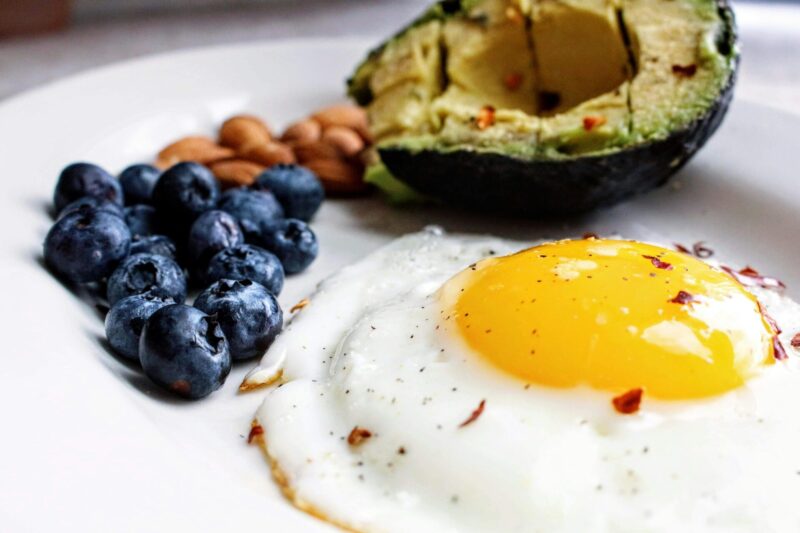
Start With a High-Protein Breakfast
Breakfast is a highly important meal if you’re trying to get plenty of protein throughout the day.
Given that you’ll be most comfortable from a digestive perspective when splitting your meals up, timing matters, as there’s only so much time in the day to consume everything. As such, you don’t want to be going hours before your first meal.
There are many great options so far as high-protein breakfasts go, and it doesn’t have to be anything fancy. Scrambled eggs on toast or beans on toast is always a good bet, and even something like overnight oats can be great, especially when you’ll be pairing them with milk.
If you find you’re not hungry, a protein shake and a banana are also a solid option.
-
Protein Powders
The easiest way to add more protein to your diet is to use protein powders. These have been specifically formulated to be optimally anabolic (muscle-building), and while they might seem expensive, they actually tend to offer better value per serving than many animal products.
Whey is the go-to choice, and is considered one of the highest quality proteins on the market. If you’re vegan, plant-based protein powders have also come a long way both in taste and quality. Pea protein is the go-to here, though you could also consider soy or brown rice.
-
Use a Tracking App
And finally, make sure you’re using a tracking app like MyFitnessPal rather than simply relying on what you see on the back of the packaging and then a rough daily total.
With the latter method, it’s common to undershoot how much protein you’re actually eating, because you’re not accounting for your carbohydrates. These tools also make it much easier to track daily intake in general.
Wrapping Up
Hopefully, you’re now feeling a little clearer on how to increase your protein intake. While you might find it a little difficult at first, you’ll soon get the hang of things. Good luck!
Discover more from Hello MrsShilts
Subscribe to get the latest posts sent to your email.