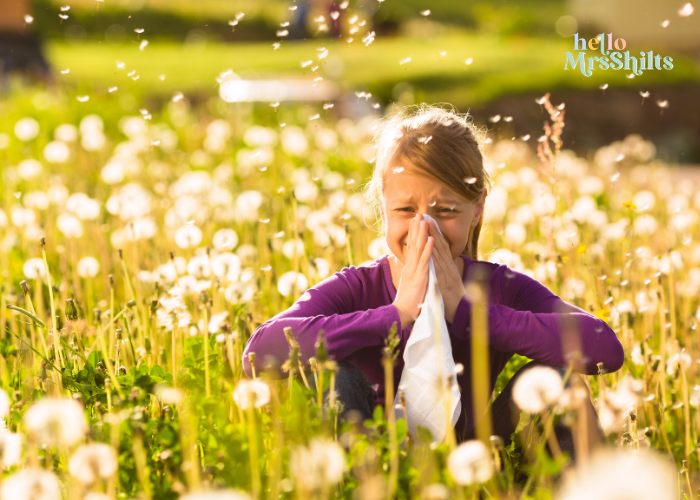
As soon as the warmer days roll in, many of us welcome the sunshine and brighter evenings—but for hayfever sufferers, spring and summer can mean the return of itchy eyes, sneezing fits, and endless tissues. Hayfever is caused by an allergic reaction to pollen, and with pollen levels usually peaking between late March and September, the start of the season can be particularly tough as your body suddenly reacts to the increase.
The good news? There are several ways you can help relieve hayfever symptoms and make the season much more manageable. Here are some practical tips to try as pollen levels begin to rise.
1. Stay Ahead of Pollen Forecasts
One of the simplest but most effective ways to manage hayfever is to track the daily pollen forecast. Many weather apps, as well as the Met Office, provide free pollen level updates. If you know the pollen count is going to be high, you can take preventative steps like staying indoors during peak times or starting your antihistamines earlier in the day.
2. Shut Out the Pollen
It’s tempting to fling open the windows at the first sign of spring warmth, but doing so can let pollen flood into your home. Keep windows and doors closed during high pollen days, especially early morning and late evening when pollen counts are at their highest. If you need to cool your home, try using a fan or air purifier with a HEPA filter.
3. Refresh When You Come Indoors
Pollen sticks to clothes, hair, and skin, which can make symptoms worse. When you’ve been outdoors, change your clothes and give them a wash. Taking a shower, or at least rinsing your face and hands, can make a big difference in reducing the amount of pollen you carry around the house. For children, this can be particularly helpful after school or outdoor play.
4. Protect Your Eyes and Nose
Wearing wraparound sunglasses outdoors can help shield your eyes from pollen, while applying a thin layer of Vaseline (or another balm) around your nostrils can trap pollen particles before they enter your nose. It’s a simple, low-cost trick that often works surprisingly well.
5. Try Wildflower Honey
One popular natural remedy often talked about for hayfever is wildflower honey. The idea is that by eating honey made from local wildflower pollen, your body is gradually exposed to small amounts of it and may build up a tolerance over time—similar to a natural form of immunotherapy. While scientific evidence is still limited, many people swear by having a spoonful of wildflower honey daily during the lead-up to hayfever season. At the very least, it’s a tasty and natural addition to your routine!
6. Use Over-the-Counter Remedies Wisely
Antihistamines, nasal sprays, and eye drops are the classic treatments for hayfever, and starting them early in the season can make them more effective. Some work best if taken daily rather than waiting for symptoms to appear. It’s worth chatting to your pharmacist to find the right product for your needs.
7. Keep Your Home Allergy-Friendly
Vacuuming with a HEPA-filter vacuum cleaner, dusting with a damp cloth, and washing bedding regularly at higher temperatures can help reduce pollen indoors. If you have pets, wiping their fur and paws after outdoor walks will also stop them carrying pollen into the house.
8. Adjust Your Daily Routine
On high pollen days, try to avoid outdoor activities in the early morning and late evening, when pollen counts tend to peak. If exercise is important to you, opt for indoor workouts or go outside later in the day when levels have dropped. Sunglasses, hats, and even a lightweight mask can also be helpful when you can’t avoid being outdoors.
Final Thoughts
Hayfever can feel relentless at the start of the season, but with some forward planning and small lifestyle adjustments, it doesn’t need to take over your spring and summer. From keeping your home pollen-free to experimenting with natural remedies like local honey, these little changes can make a big difference.
Most importantly, don’t ignore persistent or severe symptoms—speak to your pharmacist or GP if your hayfever is hard to control. With the right approach, you can enjoy the sunny days ahead without feeling like pollen has the upper hand.
Discover more from Hello MrsShilts
Subscribe to get the latest posts sent to your email.