Independence is crucial in child development, aiding in confidence building and decision-making. It’s fostered by new experiences and overcoming challenges, both of which summer camps offer in abundance. Here’s why you should consider such an experience for your child.
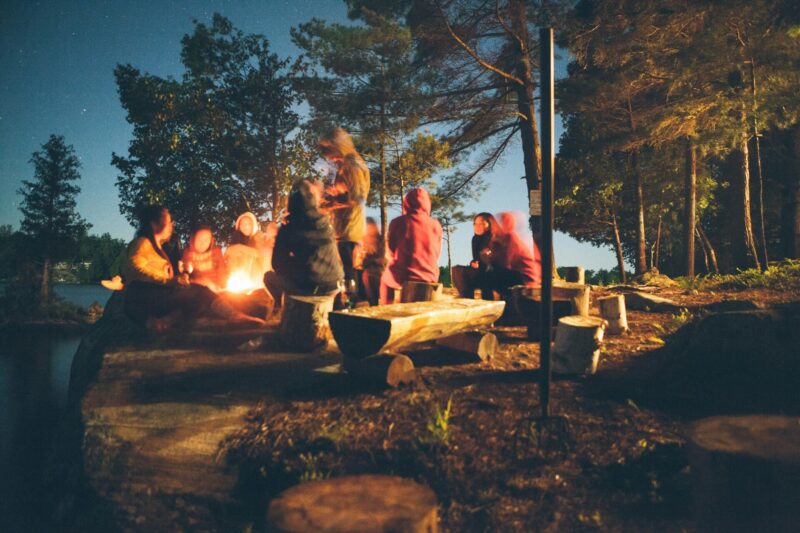
Exposure to New Experiences
Summer camps come in many forms, each offering unique opportunities for learning and growth. From adventure and sports camps to arts and science programs, the variety ensures you find a place that matches your child’s interests and curiosities.
By engaging in activities they’ve never tried before, your child learns valuable skills, both practical and social, which are essential components of becoming independent. It challenges them to think differently, solve problems without your help, and work with others towards common goals. These are the building blocks of independence. As your child masters new abilities, their confidence soars. Moreover, the act of stepping out of their comfort zones is in itself a significant growth experience. There’s a supportive and safe space for children to take these steps.
Social Interaction and Teamwork
Engaging with peers from diverse backgrounds and interests encourages your child to communicate, share, and understand different perspectives. As such, your child learns to assert themselves, negotiate, and make decisions independently. When your child participates in team-based challenges or projects, they learn the importance of working collaboratively towards a common goal. It requires listening to others, expressing their ideas, and sometimes compromising, all of which are skills for independent living. On top of that, navigating the occasional disagreements or conflicts that naturally arise in group settings teaches your child valuable conflict-resolution skills. They learn to identify and articulate their feelings, understand the perspectives of others, and find constructive solutions. Building relationships through these activities strengthens your child’s social network and sense of belonging, further contributing to their independence. It helps them know they have a support system to fall back on as they explore new opportunities, take risks, and venture into unfamiliar situations.
Responsibility & Self-management
At camp, your child makes several decisions beyond just selecting activities. They have to manage their day-to-day responsibilities, such as keeping their living area tidy, doing their laundry, and looking after camp equipment. These tasks are seemingly simple but critical in promoting self-reliance and accountability. When your child decides how to manage these responsibilities, they engage in an intricate critical thinking process. For example, choosing to do their laundry instead of waiting until they run out of clean clothes teaches them about planning and the importance of personal hygiene Similarly, deciding how to keep their living space organised affects their comfort and relationship with their roommates, teaching them about respect and cohabitation.
This decision-making extends to their participation in camp activities, where they must consider their interests and how they wish to spend their time. Whether opting for a team sport, which promotes collaboration and social skills, or selecting a creative writing workshop that fosters individual expression and introspection, each decision carries weight. Moreover, the consequences of these decisions, whether they pertain to daily routines or activity participation, play a pivotal role in building your child’s self-confidence. Every decision made and acted upon reinforces their sense of agency and belief in their ability to steer their course. Even when choices do not pan out as expected, the experience is invaluable. Your child learns that setbacks are not failures but opportunities for growth and learning, fostering resilience and adaptability.
Overcoming Challenges
Children encounter various challenges designed to stretch their abilities and encourage growth. These can range from personal challenges, such as overcoming a fear of heights on a high ropes course, to group challenges, like working together to navigate a wilderness trail. Each type of challenge offers unique benefits. Personal challenges encourage children to confront their fears and limitations, pushing them to realise their capabilities. When a child conquers a personal fear, the achievement is profoundly empowering, reinforcing their belief in their ability to face and overcome obstacles. On the other hand, group challenges require children to collaborate, communicate effectively, and support one another to achieve a common goal. These experiences teach children the value of teamwork, empathy, and collective problem-solving. As such, it builds individual resilience and fosters a sense of community and shared accomplishment.
How You Can Help Make Summer Camp Productive
Choosing the right summer camp is a pivotal decision that can significantly impact your child’s journey towards independence. Firstly, your child’s interests should be at the forefront of this decision. A camp that caters to their hobbies or passions provides an engaging environment where they are more likely to be enthusiastic and motivated. The reputation of the camp is another critical factor. Researching and choosing a summer camp known for its quality programming, experienced staff, and positive feedback from parents and campers ensures a supportive and enriching environment. It’s crucial that you involve your child in the decision-making process. As such, discuss potential camps with them, compare summer camps on platforms like this site and consider their preferences as you decide where they will go.
Prepare Your Child for Camp
It involves thoughtful strategies to ensure they’re ready for this new adventure. Begin by talking about camp early, focusing on the positive aspects like making new friends, learning new skills, and the fun of participating in various activities. This discussion helps to build excitement and lessen any anxiety. You can encourage them to be involved in pre-camp preparations, such as packing their bags and selecting activities they’re interested in. This involvement boosts their confidence and reinforces their decision-making skills, laying the groundwork for independence. Practicing simple daily tasks at home, like managing their laundry or organising their schedule, can further enhance their self-reliance before camp begins.
Homesickness is a common challenge, but you can equip your child with coping strategies, such as keeping a journal or engaging actively with fellow campers and camp activities. Remind them that it’s okay to miss home and that feeling homesick is a part of growing up. In addition, tell them camp staff will be there to help. Trusting in the camp staff’s expertise allows your child to navigate their camp experience confidently, knowing they have a supportive network to turn to when faced with such challenges. This preparation and support structure set the stage for a rewarding camp experience.
Discover more from Hello MrsShilts
Subscribe to get the latest posts sent to your email.